Is It Illegal To Take Stones From Pompeii?
Is it illegal to take stones from Pompeii? Yes, Italian law strictly prohibits removing any archaeological material. Learn about the penalties and why preservation matters.

The short answer is no: it is illegal, and the consequences are serious. Pompeii is a protected archaeological site, and Italian law treats the removal of any material as a crime.

Is It Illegal To Take Stones From Pompeii?
Yes, it is illegal to take stones from the archaeological site of Pompeii. Italian law strictly prohibits the removal of any archaeological material, including stones, fresco fragments, pottery shards, or even small pebbles, from protected cultural heritage sites. Offenders face criminal penalties, including fines and possible imprisonment, under the Codice dei Beni Culturali e del Paesaggio.
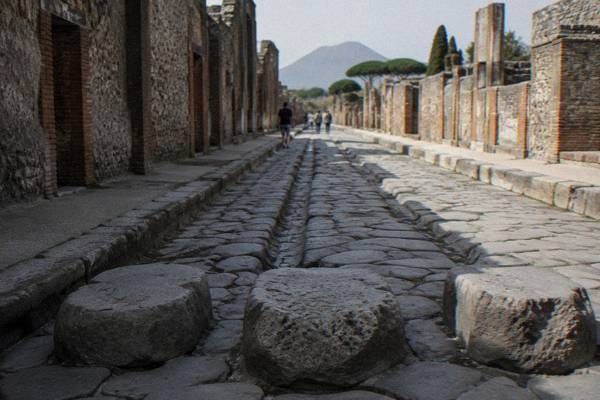
The ancient city of Pompeii, buried by the eruption of Mount Vesuvius in AD 79, is one of the world's most important archaeological treasures. The Italian state owns every fragment of the ruins, and the law is clear: nothing may be taken. This applies not only to obvious artefacts like mosaics or statues but to the very stones that pave the streets, the rubble, and even the lapilli (volcanic pumice) that still litter the ground.
The park's own regulations reinforce this. While the official visitor rules on the Pompeii website focus on practical matters such as bag size (maximum 30x30x15 cm), the prohibition on drones, and dress codes, the underlying legal framework leaves no room for doubt. Removing any part of the site is a criminal act. Security staff and the Carabinieri Command for the Protection of Cultural Heritage patrol the park, and anyone caught pocketing a stone can be detained and reported to the judicial authorities.
The law is not a recent invention. Italy's cultural heritage code (Codice dei Beni Culturali e del Paesaggio) criminalises the theft or damage of cultural property, and archaeological sites enjoy the highest level of protection. A stone removed from Pompeii is not a souvenir; it is stolen state property. Even if the stone appears loose or insignificant, it forms part of the archaeological context that researchers rely on to understand the ancient city.
What Are The Penalties For Taking Stones From Pompeii?
Penalties for removing stones or other archaeological material from Pompeii can include substantial fines and imprisonment. The exact punishment depends on the value and significance of the taken item, but any removal is treated as theft of cultural property, which carries criminal consequences under Italian law.
Because every fragment of Pompeii is considered a cultural asset, the theft is prosecuted under articles of the penal code that deal with aggravated theft of items of artistic or historical interest. In practice, a tourist caught with a pocketful of pebbles is likely to face a heavy fine, a criminal record in Italy, and possible confiscation of their passport until the matter is resolved. The Italian authorities have shown they will pursue even seemingly minor cases.
Prosecutions are not theoretical. Over the years, numerous visitors have been stopped at the exit or at the airport with stones or fragments, and some have been charged. The park's security personnel are trained to spot suspicious behaviour, and random bag checks are not uncommon. The message is consistent: do not take anything from the site.
| Prohibited Action | Rule and Consequence |
|---|---|
| Removing stones or archaeological material | Criminal offence under Italian cultural heritage law; fines and imprisonment possible |
| Carrying bags larger than 30x30x15 cm | Must be left at luggage storage; refusal may lead to denied entry |
| Flying drones without authorisation | Prohibited; may result in confiscation and fines |
| Entering bare-chested or in swimwear | Not permitted; respectful dress required |
| Damaging or climbing on ruins | Criminal damage; prosecution and fines |
If you are planning a visit and want to experience Pompeii without risking a run-in with the law, a guided tour is an excellent choice. Knowledgeable guides keep you on the right path and explain the site's history while ensuring you respect its fragile remains.
Can I Take A Rock From Mount Vesuvius?
No, taking rocks from Mount Vesuvius is also illegal. The volcano is part of the Vesuvius National Park, and the same cultural heritage protections apply. Removing any natural or archaeological material from the crater area or its slopes is a criminal offence, and park rangers actively enforce the ban.
Mount Vesuvius, the volcano that destroyed Pompeii, is itself a protected area. The Gran Cono trail is accessible only with a timed online ticket, and visitors are reminded that collecting rocks, minerals, or plant material is forbidden. The law that protects Pompeii extends to the entire Vesuvius National Park, and the penalties are similar. Even if a rock seems like a harmless souvenir, taking it is theft from a protected landscape.
When you hike Vesuvius, you will see signs warning against removal. The park's regulations, available on its official website, explicitly state that the removal of minerals and rocks is prohibited. For more details, see our guide to taking rocks from Mount Vesuvius. If you want to bring home a memento, the gift shops at the park entrance sell ethically sourced volcanic stone items.
What Happens If You Are Caught Taking Stones From Pompeii?
If you are caught taking stones from Pompeii, security staff or the Carabinieri will detain you, confiscate the items, and likely file a criminal complaint. You may be taken to a police station, fined, and required to appear before a magistrate. In serious cases, your passport could be held, and you could face prosecution in an Italian court.
The process is swift. Park guards are stationed at exits and monitor the site via CCTV. If they observe someone picking up a stone or fragment and placing it in a pocket or bag, they will intervene. The individual is escorted to a security office, where the items are recovered and documented. The police are called, and a formal report is made. Even if the stone is tiny, the law does not distinguish based on size; the act of removal is the offence.
Tourists often underestimate the seriousness. The Italian legal system can be slow, and a criminal charge may delay your departure from the country. The best advice is simple: look, photograph, and leave everything where it lies. If you want to understand the site deeply, consider a small-group tour with an archaeologist, such as the Pompeii Small Group Tour with an Archaeologist, which lets you experience Pompeii responsibly.
Why Is It Illegal To Take Stones From Pompeii?
The law exists to preserve Pompeii for future generations and to protect its archaeological integrity. Every stone, fragment, and artefact is part of the historical record, and removing even a small piece destroys context that scholars need to understand daily life in the ancient Roman world.
Pompeii is not a ruin where stones are loose and meaningless. The city was frozen in time, and the arrangement of materials, the wear on paving stones, and the distribution of artefacts all tell a story. When a visitor takes a stone, they are not just removing a rock; they are erasing a piece of evidence. Archaeologists rely on the in situ position of objects to reconstruct the past. A stone taken from a street might have been part of a repair layer that dates to a specific period; a fragment of fresco might have been the only surviving trace of a wall painting. The cumulative effect of thousands of visitors taking souvenirs would be devastating.
Italy's cultural heritage laws are among the strictest in the world precisely because the country holds such an immense concentration of ancient sites. Pompeii alone receives around four million visitors a year. If even a tiny fraction took a stone, the loss would be enormous. The legal framework, therefore, treats every removal as a serious crime to deter casual theft.

The park's daily visitor cap of 20,000 and the nominative ticket system, introduced in November 2024, are also part of this preservation effort. By controlling numbers, the park reduces wear and tear on the ancient surfaces and makes it easier for staff to monitor behaviour. When you visit, you are walking on original Roman streets; respecting them is part of the experience. For tips on getting around the site comfortably, read our guide on how difficult it is to walk in Pompeii.
| Month | Visitors (2024) |
|---|---|
| January | 112,121 |
| February | 142,648 |
| March | 272,723 |
| April | 466,344 |
| May | 516,923 |
| June | 410,712 |
| July | 449,162 |
| August | 421,255 |
| September | 468,340 |
| October | 481,255 |
| November | 189,866 |
| December | 138,028 |
The table above shows the monthly visitor distribution for 2024. The busiest months are May (516,923 visitors) and October (481,255 visitors), when the weather is mild and the site sees its highest monthly totals. High footfall increases the risk of accidental damage and the temptation to pocket a stone, which is why enforcement remains strict year-round.
Common Questions About Taking Stones From Pompeii
Is It Illegal To Take Stones From Pompeii?
Yes, taking any stone, pebble, or archaeological fragment from Pompeii is a criminal offence under Italian cultural heritage law. The site is a protected UNESCO World Heritage site, and all material belongs to the Italian state. Penalties include fines and possible imprisonment.
Can I Take A Small Pebble As A Souvenir?
No, even the smallest pebble is considered stolen state property. The law does not distinguish by size, and security staff will confiscate any removed material. It is never worth the risk.
What About Taking Stones From Herculaneum?
The same legal protections apply to Herculaneum, which is part of the same UNESCO property. Removing stones or artefacts from Herculaneum is equally illegal and carries the same penalties.
Have People Been Prosecuted For Taking Stones?
Yes, there have been numerous cases of tourists being fined and charged for removing stones or fragments from Pompeii and other Italian archaeological sites. The authorities take these offences seriously, and convictions can result in a criminal record.
What Should I Do If I Accidentally Pick Up A Stone?
If you inadvertently pick up a stone, place it back exactly where you found it. Do not put it in your pocket or bag. If you are unsure, inform a member of staff. Deliberately keeping it, even after realising the mistake, is still an offence.
Are There Legal Souvenirs I Can Buy Instead?
Absolutely. The official bookshops at the park entrances and the gift shops in modern Pompei sell replicas, books, and ethically sourced items. These are a safe and legal way to take home a memory of your visit.
Visiting Pompeii is a privilege, and the law exists to protect this extraordinary window into the ancient world for everyone. A guided tour, such as the highly rated Pompeii Small Group Tour with an Archaeologist, is one of the best ways to appreciate the site while staying firmly on the right side of the rules. If you are still planning your trip, our guide to Pompeii tickets explains the current admission system and how to book.