Can I Take A Rock From Mount Vesuvius?
Short answer on taking rocks or lava from Mount Vesuvius near Pompeii in Italy, with the national park rules, ticket system and legal souvenirs explained.
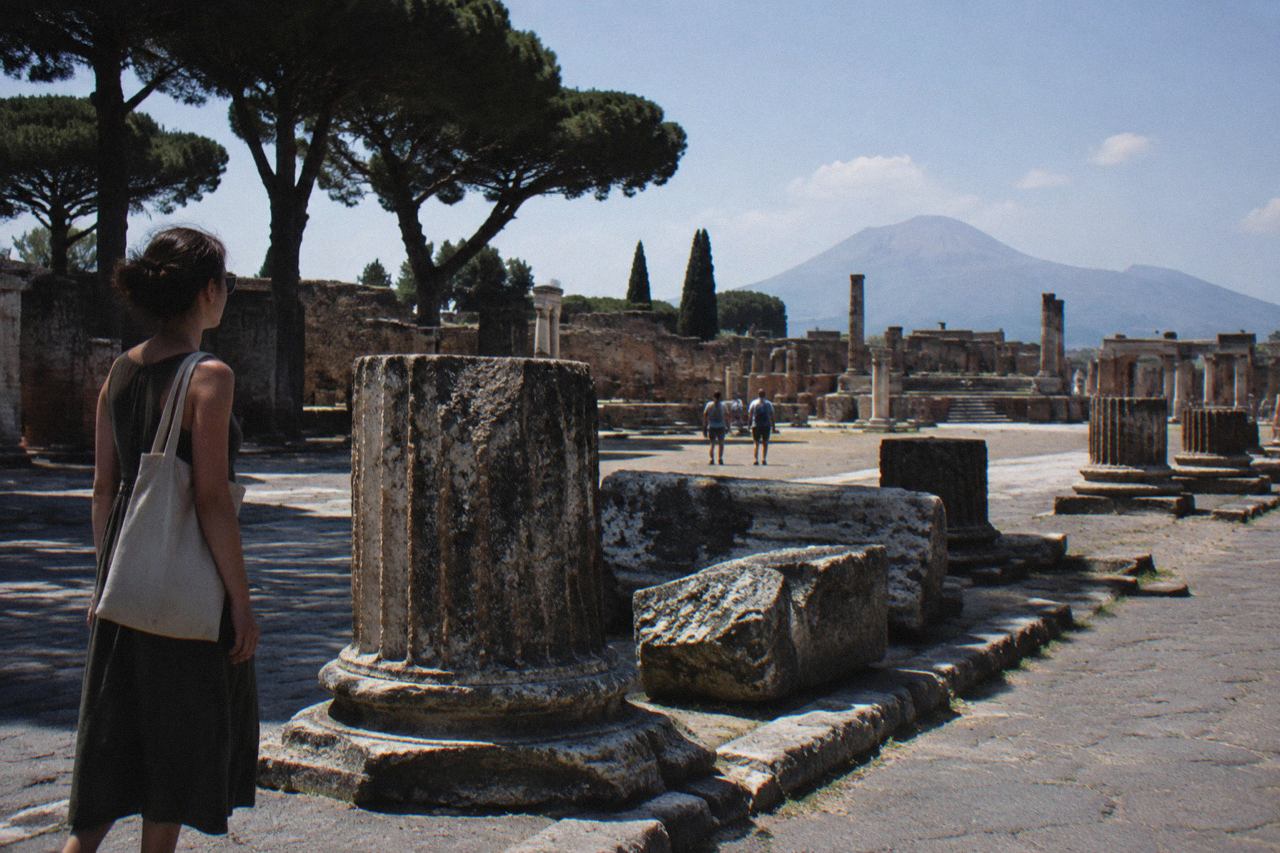
Mount Vesuvius is the volcano that buried the ancient Roman city of Pompeii in Campania, southern Italy, in AD 79, and its crater is now the headline walk for travellers visiting the archaeological park beside the modern town of Pompei, about 24 km south-east of Naples. The trail to the crater rim, the Gran Cono, runs inside the Parco Nazionale del Vesuvio, a protected national park with its own ticketing system, timed entry slots and daily visitor caps. That protected status is exactly why the question of pocketing a souvenir stone matters more here than on an ordinary mountain walk.

Can I Take A Rock From Mount Vesuvius?
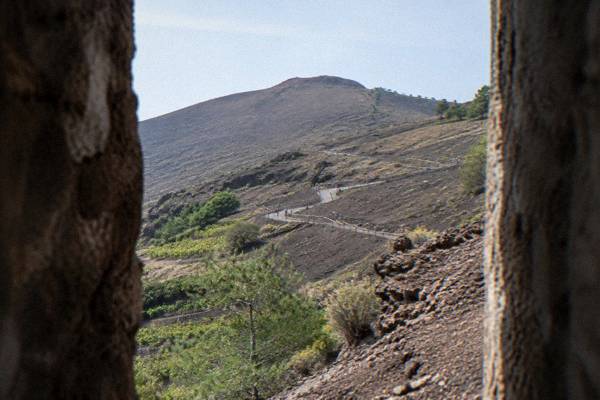
No, you should not take a rock, pumice stone or piece of lava from Mount Vesuvius. The Gran Cono crater trail sits inside a protected national park, and removing volcanic material, minerals or plants from a protected park area is prohibited under Italian law on protected landscapes. The park sells its tickets through an official timed-slot system and expects visitors to leave the volcano exactly as they found it. Leave the stones on the trail and buy souvenirs in the shops instead.
The honest, practical answer has two layers. The first is legal: the Vesuvius park is protected territory, and Italian rules on parks and protected landscapes forbid removing geological material from them. That principle applies to the black volcanic stones scattered along the crater path just as it applies to wild orchids or Roman tesserae further down the slopes. A single pebble in a pocket may feel harmless, and enforcement at the gate is aimed at ticket checks rather than rock inspection, but the prohibition is real and it covers the material the volcano is made of.
The second layer is custodianship. The slopes below the crater are part of the same volcanic complex that destroyed Pompeii in AD 79 and has erupted as recently as 1944, a story told in detail on how many people died when Vesuvius erupted in 1944. The park exists to keep that landscape intact for study and for future visitors. Millions of stones removed by millions of hands is simply erosion with extra steps. If the question behind the question is whether anyone will stop you, the better question is whether the crater needs to shrink a little faster because of your visit.
A related question comes up for the ancient city down the hill, where the stakes are higher still: the site rules for Pompeii are covered separately in is it illegal to take stones from Pompeii. The short version there is that the archaeological park is stricter, and removing anything from an excavated Roman site is a far more serious matter than lifting a pebble off a volcanic path.
What The Vesuvius National Park Rules Cover
The Gran Cono is a ticketed, capped, timed-slot attraction inside a national park. Tickets are sold online only, in named visitors' names, with 50 tickets per 10-minute slot bookable up to 30 days ahead and 10 last-minute tickets per slot released from 30 minutes before entry. The trail and ticket office close automatically when an orange weather alert is issued, with an automatic refund. Daily caps run from 2,160 to 3,240 visitors.
Those access rules matter to the souvenir question because they frame the crater as a managed park site, not open mountain country. You enter through a controlled gate, on a timed ticket, into a queue that regulates flow at 60 visitors per 10-minute slot. The same management logic that caps your visit also protects the resource you came to see.
| Rule area | What applies on the Gran Cono |
|---|---|
| Ticket sales | Online only, through the park's official ticketing page |
| Ticket price | EUR 11.68 full, EUR 9.55 reduced as sold |
| Named tickets | Last-minute tickets nominal since 11 April 2026 |
| Slot size | 50 tickets per 10-minute slot, up to 30 days ahead |
| Last-minute release | 10 tickets per slot, from 30 minutes before |
| Group flow | 60 visitors per 10-minute slot, in 3 groups of 20 |
| Weather closure | Automatic on orange alert or higher, automatic refund |
The fee structure, the caps and the slotting exist because demand is high and the trail is narrow. If you are planning the practical side of a visit, the full breakdown is in Mount Vesuvius tickets explained, and the walking itself is covered in how long is the walk up Vesuvius.
For visitors who want the volcano and the buried city in a single day without assembling train tickets, crater slots and park entries separately, there are organised options that bundle the logistics.
What Counts As A Souvenir And What Counts As Looting
The line is removal. A postcard, a guidebook, a bottle of Vesuvius wine or a reproduced Roman oil lamp bought in a shop is a legitimate souvenir. A stone, a chunk of lava, a fragment of fresco or anything picked up from the ground of a park or archaeological site is removal, and for archaeological material it is a criminal offence rather than a etiquette breach. Shops exist precisely so the mountain stays whole.
It helps to separate the two landscapes, because visitors often blur them. On Vesuvius, the material at stake is geological: scoria, pumice, hardened lava from the 1944 eruption and earlier. In the national park it is protected as natural heritage. Inside the Pompeii excavations, the material is archaeological, and Italian law treats unauthorised removal of cultural heritage as a serious crime, with consequences that scale far beyond a confiscated pebble. One traveller's souvenir stone from the excavations is, legally, a piece of a protected monument.
| Item | Vesuvius crater trail | Pompeii excavations |
|---|---|---|
| Volcanic stone or pumice | Prohibited, protected park material | Prohibited, protected site material |
| Roman fragment, tessera, pottery | Prohibited and prosecutable | Criminal offence, cultural heritage law |
| Plants, flowers, wildlife | Prohibited in the national park | Not applicable |
| Shop-bought replicas and wine | Fine | Fine |
| Photographs | Fine, drones need authorisation | Fine, drones need authorisation |
The shop alternative is genuinely better anyway. The Vesuvius area produces Lacryma Christi wine on the volcano's own volcanic soils, and the visitor infrastructure around the park sells reproductions, books and local food that do the souvenir job without subtracting from the site. The question of whether Vesuvius will erupt again is part of why the geology itself is scientifically valuable: researchers read the volcano's layered deposits the way archivists read documents.
How To Visit The Crater Without Breaking The Rules
Buy a timed ticket online in advance, enter in your own name at your slot time, walk the crater trail and carry everything you brought back down with you. Access hours change by month, from 09:00-15:00 in January, February, November and December to 09:00-18:00 in July and August. The shortest route is about 2 hours return, the longest about 3. Check the weather alert status before you travel, since the path closes automatically on orange alerts.
The monthly schedule rewards shoulder-season visitors with cooler walking and thinner slots, though the trail's opening window is shorter. Plan around it rather than against it.
| Months | Gran Cono access hours |
|---|---|
| January, February, November, December | 09:00-15:00 |
| March, October | 09:00-16:00 |
| April, May, June, September | 09:00-17:00 |
| July, August | 09:00-18:00 |
If you are weighing the crater against the ruins with limited time, the trade-offs are laid out in is it better to do Pompeii or Vesuvius first, and the fuller two-site plan is in two days for Pompeii, Herculaneum and Vesuvius. For the drive-up question, see can you drive up Mount Vesuvius.
A combined day tour removes the fiddliest part of the pairing: crater slots and Pompeii entry both run on timed systems, and a tour operator books them together. The featured option from Naples covers both sites with a guide, and its live listing shows the current price and availability.
Why The Volcano Itself Is Protected Landscape
Vesuvius is the only volcano on mainland Europe to have erupted within the last hundred years, and its slopes form a national park created to protect both the geology and the unusual ecosystems that colonise old lava flows. The crater rim deposits record centuries of eruptions, including the one that destroyed Pompeii, traditionally dated to 24 August AD 79. Removing stones erases parts of that record for everyone after you.
That scientific value is the strongest argument beyond the legal one. The volcano's layered ash and lava sequences are the reference archive for eruptions that shaped the Bay of Naples, and the park's flora includes species that specifically colonise volcanic ground. Every stone left in place is a data point; every stone pocketed is a small deletion from a record that cannot be reassembled. The park's popularity, with daily arrivals capped in the low thousands on a trail measured in a couple of hours' walking, concentrates that pressure on a small area of rim.
The wider story of the mountain, its observation and its 1944 eruption belongs to the Mount Vesuvius guide and the crater trail page. What matters on the souvenir question is simple: the volcano is a curated scientific site with a ticket barrier, not a quarry. Treat the stones the way you would treat the books in a reading room, look, photograph, leave them on the shelf.
For everything else the area offers beyond the crater and the ruins, the Pompeii Travel Guide homepage collects the full range of sites, day trips and planning pages, from the Vesuvius hike guide to the surrounding coast.
Common Questions About Taking Rocks From Vesuvius
Can I take a rock from Mount Vesuvius?
No. The crater trail sits inside a protected national park, and removing volcanic material from protected park land is prohibited. Buy your souvenir in a shop instead.
Is taking a stone from Pompeii more serious than from the volcano?
Yes. The excavations are an archaeological site, and removing fragments of cultural heritage is treated as a criminal matter under Italian law rather than a park-rule breach.
Can I buy Vesuvius stones or lava legally?
Shops around the park sell volcanic-themed souvenirs, reproduced artefacts and local wine. Items sold commercially are a legal alternative to taking material from the trail.
What happens if the weather closes the trail?
The ticket office and path close automatically on an orange weather alert or higher, and the ticket price is refunded automatically, so a weather closure costs you nothing.
Do I need to book Vesuvius tickets in advance?
Yes. Tickets are online only, issued in timed 10-minute slots, bookable up to 30 days ahead, with a small last-minute release per slot from 30 minutes before each entry time.
The rule of thumb that covers every version of this question: if it was on the ground when you arrived, it should be on the ground when you leave. The volcano buried a city and then spent two millennia assembling the landscape you came to walk over, and the cheapest way to take a piece of Vesuvius home is the one with a receipt.