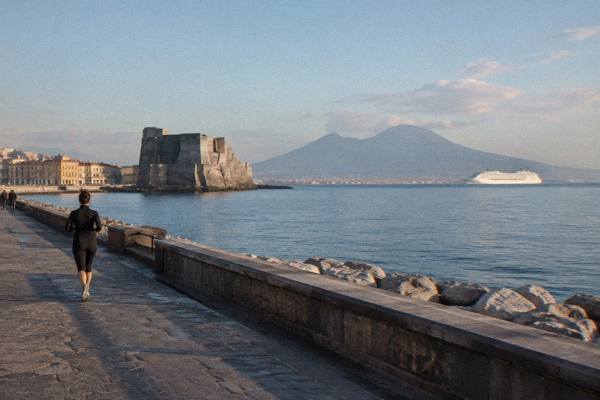
Naples Shore Excursions
A cruise ship docking in Naples puts one of the world's most compelling archaeological sites within reach, but the clock starts ticking the moment you step onto the gangway. This guide maps out exactly how to get from the cruise port to Pompeii, which shore excursions make the most of your time, and what to expect from a half-day visit to the ancient city.
Short answer
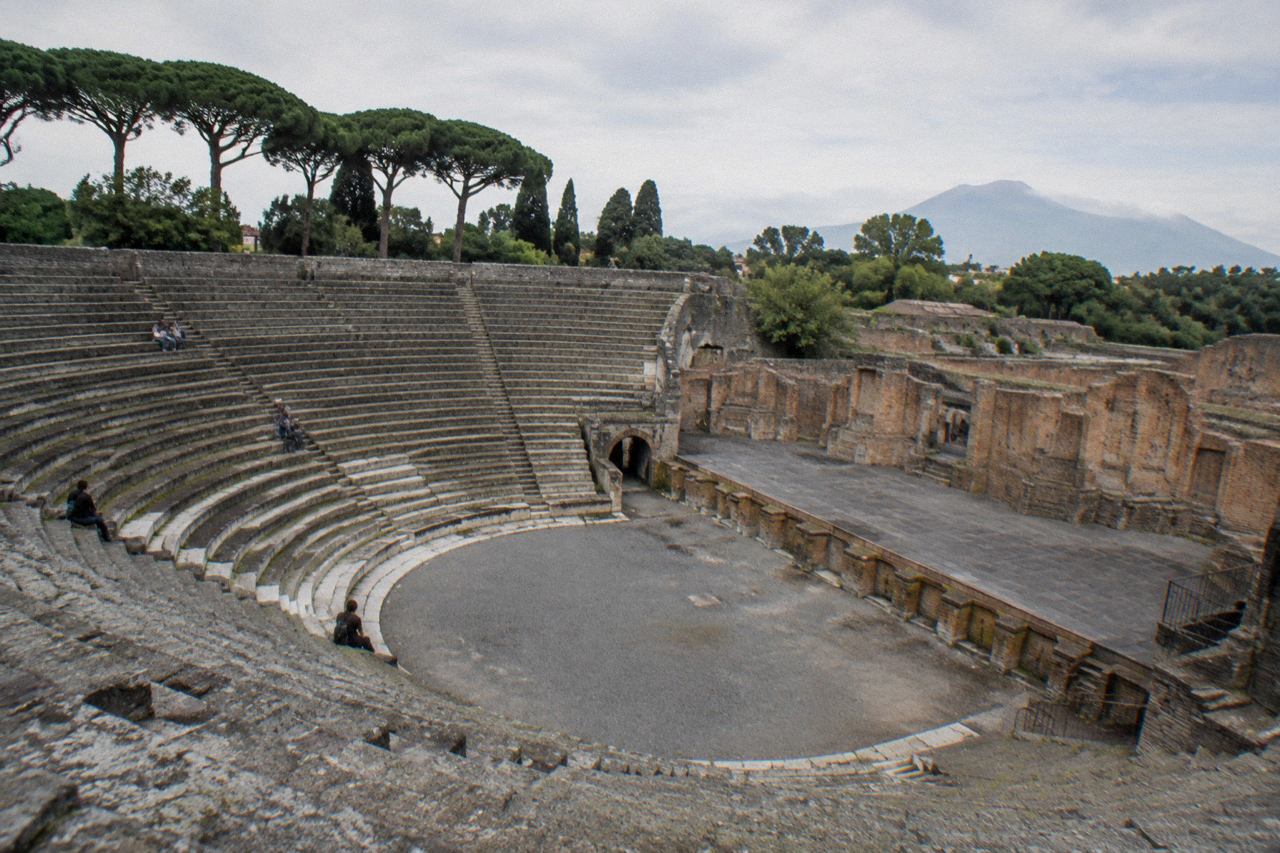
Pompeii is about 24 km by road from the port of Naples, a journey of roughly 22 minutes by private transfer or 29 to 35 minutes by the Circumvesuviana train from Napoli Garibaldi station. A well-organised shore excursion or a carefully timed independent trip can give you two to three hours inside the ruins, enough to see the Forum, the main bath complexes, and several of the most famous houses before returning to the ship with time to spare.
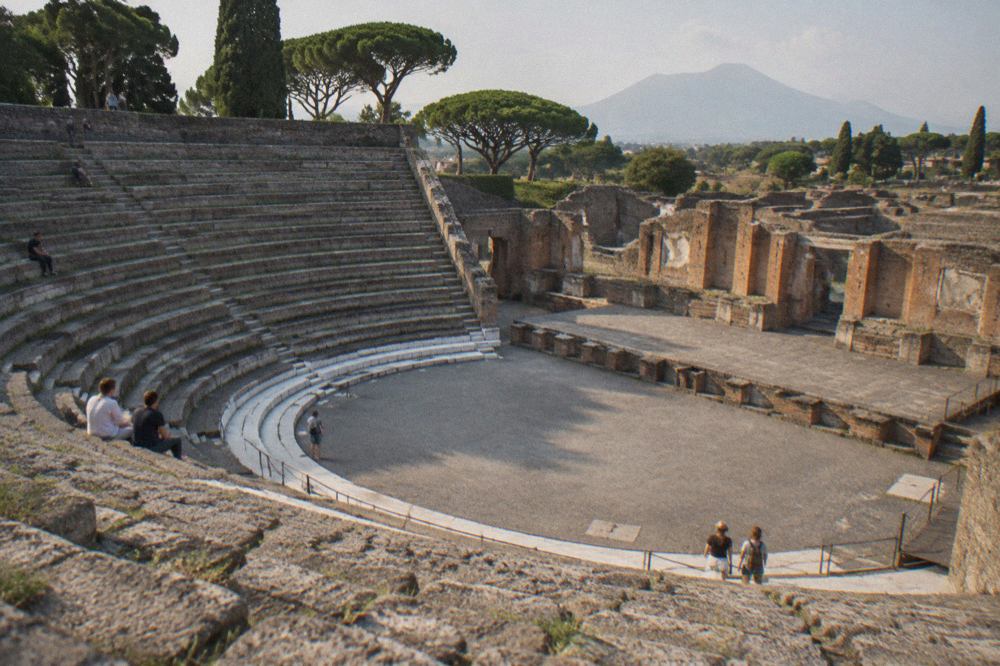
The port of Naples is the busiest cruise terminal in southern Italy, and a large share of the passengers who walk down the gangway have one destination in mind: Pompeii. The ancient city, buried by the eruption of Mount Vesuvius in AD 79, sits about 24 km south-east of the port, a distance that makes a half-day visit entirely feasible but that also demands a clear plan. A missed train, a long ticket queue, or a misjudged return time can turn a highlight of a Mediterranean cruise into a stressful scramble. This page, from Pompeii Travel Guide, lays out the shore excursions that are built for cruise passengers, the independent transport options that work on a tight schedule, and the practical steps that keep a Pompeii visit running smoothly from ship to ruins and back again.
The 2026 ticket structure for Pompeii gives cruise passengers several choices. The Pompeii Express ticket, at EUR 20, covers the ancient city alone and is the right pick for a short shore visit. The Pompeii+ ticket, at EUR 25, adds the suburban villas and the Boscoreale Antiquarium, though a half-day stop rarely leaves time for those. Both are nominative tickets, tied to the holder's name, and are subject to a daily cap of 20,000 visitors. From 1 January 2027, a single EUR 25 ticket valid for 30 days with one entry per site replaces the current multi-tier system, while the smaller sites of Oplontis, Stabiae and Boscoreale stay at EUR 8 each and the MyPompeii Card remains at EUR 45. The park opens at 9:00 year-round, with last entry at 17:30 from 16 March to 14 October and at 15:30 from 15 October to 15 March. A cruise passenger arriving in the morning has a clear window, but one that closes earlier in the winter months.
What Is The Distance From Naples Cruise Port To Pompeii?
The road distance from the Naples cruise terminal to Pompeii is about 24 km, a drive of roughly 22 minutes. The Circumvesuviana train from Napoli Garibaldi to Pompei Scavi-Villa dei Misteri takes 29 to 35 minutes, and the station is directly outside the Porta Marina entrance.
The cruise terminal at Stazione Marittima sits on the Molo Angioino, a short walk or taxi ride from the Piazza Municipio area and about 2 km from Napoli Garibaldi station. Most cruise lines run a shuttle bus from the pier to a drop-off point near Piazza Municipio or directly to the station, though the exact arrangement varies by ship and by sailing. A taxi from the terminal to Pompeii takes the A3 motorway and drops passengers at the Porta Marina entrance in about 22 minutes when traffic is light, but the return journey can be slower in the late afternoon, and a taxi driver who quotes a fixed fare should be asked for the price in writing before the trip begins.
The Circumvesuviana train is the budget workhorse of the route. Trains on the Napoli-Sorrento line leave from the lower level of Napoli Garibaldi station, and the ride to Pompei Scavi-Villa dei Misteri takes a median of 29 minutes based on the operator's own schedule data, with some runs taking up to 35 minutes. The station at Pompei Scavi is unmistakable: a small building directly across the road from the Porta Marina entrance, with the ruins visible from the platform. Trains run frequently during the day, though the operator, EAV, announced new rolling stock and a revised timetable for the Vesuvian lines on 16 September 2026, and passengers should check the live timetable on the day of travel. The Campania Express, a tourist-oriented service with air conditioning and fewer stops, has been suspended since 1 October 2026 until further notice, and any shore-excursion plan that relied on it should be reworked around the standard Circumvesuviana service.
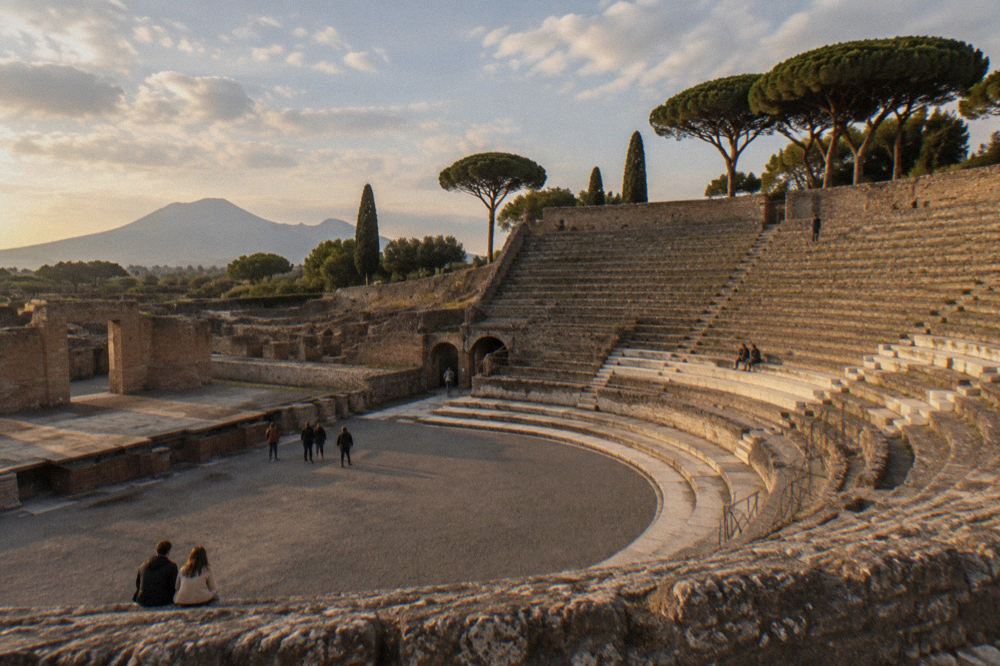
The return journey is the part that worries cruise passengers most. The best practice is to leave the ruins at least 90 minutes before the ship's all-aboard time, which allows for a train delay, the walk or taxi from Napoli Garibaldi back to the cruise terminal, and the security queue at the port. For a detailed timeline of a cruise ship day, see our Pompeii cruise ship day itinerary. A passenger who plans to be standing on the platform at Pompei Scavi two hours before the ship sails has a comfortable margin; one who cuts it to an hour is gambling on a railway that runs through dense urban neighbourhoods and is not immune to disruption.
| Route | Mode | Distance | Typical Journey Time |
|---|---|---|---|
| Naples cruise terminal to Pompeii | Taxi or private transfer | About 24 km | About 22 minutes |
| Napoli Garibaldi to Pompei Scavi-Villa dei Misteri | Circumvesuviana train | Rail line | 29 to 35 minutes (median 29) |
| Pompei Scavi to Sorrento | Circumvesuviana train | Rail line | 34 to 40 minutes |
What Are The Best Naples Shore Excursions To Pompeii?
The best Naples shore excursions to Pompeii are dedicated cruise-passenger tours that bundle skip-the-line entry, a guided walk through the key ruins with an archaeologist or licensed guide, and a guaranteed timely return to the port. A half-day excursion of four to five hours provides a stress-free two-hour tour of the ancient city, eliminating the risks of missing the ship and wasting time in ticket queues.
The shore excursion that this guide recommends for most cruise passengers is a dedicated half-day trip from Naples that includes a guided tour of Pompeii with skip-the-line entry and transport in an air-conditioned coach. You can read the full details on the Pompeii shore excursion page. The operator tracks the ship's schedule, meets passengers at the cruise terminal or a nearby meeting point, and handles every logistical step from the motorway toll to the entry ticket. A guide walks the group through the Forum, the Stabian Baths, the House of the Faun, and the plaster casts of the victims, explaining the history of the eruption and the daily life of the Roman city in the kind of detail that a self-guided visitor with a map would miss. The tour lasts about five hours door to door, which fits comfortably into a standard cruise stop.
A small-group tour with an archaeologist is a strong alternative for passengers who want a deeper dive and are willing to manage their own transport to the meeting point. The guide is a trained archaeologist who can explain the stratigraphy of the eruption, the function of the thermopolia, and the political messages embedded in the frescoes of the House of the Vettii. The ticket is included in the tour price, and the small group size means the guide can answer individual questions and adjust the route to the group's interests. The trade-off is that the passenger must get from the cruise terminal to Pompeii independently, which adds about 30 minutes of travel time in each direction and requires a firm grasp of the Circumvesuviana timetable.
A shore excursion that combines Pompeii with a second site, such as Herculaneum or the Amalfi Coast, packs more into the day but leaves less time at each stop. A Pompeii and Herculaneum combo tour, for example, gives about two hours at the larger site and 90 minutes at the smaller one, with a coach transfer between them. The pace is brisk, and a passenger who wants to linger in the House of the Tragic Poet or climb to the top of the Large Theatre will feel rushed. These combo tours work best for passengers who want to tick off two UNESCO sites in a single port day and are comfortable with a structured itinerary that leaves little room for wandering.
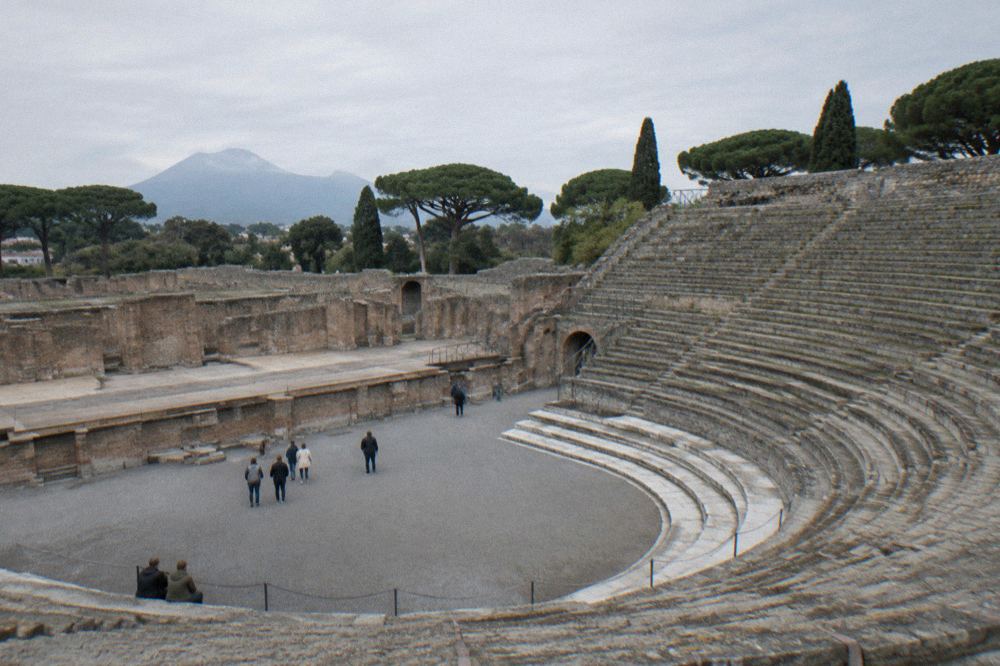
A private shore excursion is the most flexible option and the most expensive. A private driver meets the passenger at the cruise terminal, drives directly to Pompeii, and waits while a private guide walks the group through the ruins at their own pace. The itinerary can be customised: a family with children might spend more time at the plaster casts and the amphitheatre, while a couple with a background in Roman history might ask to see the Villa of the Mysteries and the House of Menander. The driver then returns the group to the port or, if time allows, makes a short detour to a viewpoint over the Bay of Naples or a quick stop for a sfogliatella in the city. The cost is per group rather than per person, which makes it economical for a family of four or a small group of friends travelling together.
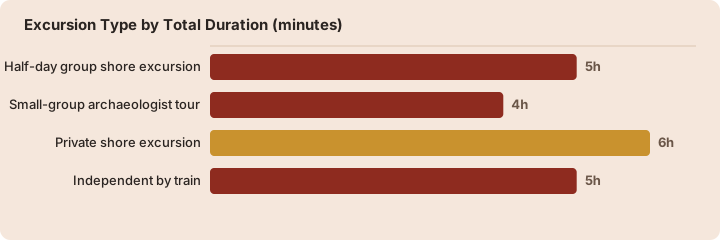
How Long Does A Pompeii Shore Excursion Take?
A standard half-day shore excursion from the port of Naples to Pompeii runs between four and five hours from pick-up to drop-off, with about two hours spent inside the archaeological park. The drive from the cruise terminal to the Porta Marina entrance takes roughly 22 minutes in each direction under normal traffic, and the remaining time is absorbed by the guided walk, a short comfort break, and the buffer the operator builds in to guarantee an on-time return to the ship.
A visitor who tries to add the Large Theatre, the amphitheatre, or the Villa of the Mysteries to a tour will spend more time walking between points than looking at them, and the guide on a group shore excursion will typically stick to a curated loop that keeps the group moving without exhausting anyone.
A full-day shore excursion that adds a second site, such as Herculaneum or a drive along the Amalfi Coast, stretches to seven or eight hours and is only viable when the ship is in port for at least nine or ten hours. The extra time is spent on the road: the drive from Pompeii to Herculaneum takes about 20 minutes, and a detour to Positano or Amalfi adds at least an hour of winding coastal road in each direction. A passenger on a ship that departs at 18:00 should be back at the port by 16:30 at the latest, which means a full-day tour needs to leave the ruins by 14:00 or earlier. The maths works for a ship that arrives at 07:00 and leaves at 19:00, but it is tight for a ship with an 08:00 to 17:00 port call.
An independent visit using the Circumvesuviana train can be done in about four and a half hours if everything runs to schedule: 30 minutes from the cruise terminal to Napoli Garibaldi, 30 minutes on the train, two hours in the ruins, 30 minutes back to Napoli Garibaldi, and 30 minutes to the ship, with a 30-minute buffer. The buffer is the part that makes independent visitors nervous, and it is the reason many cruise passengers choose a shore excursion even if they normally prefer to explore on their own. The operator's guarantee of a return to the ship on time is a product that is sold alongside the guided tour, and for a passenger who has never ridden the Circumvesuviana or navigated the Naples taxi rank, it is a product worth buying.
| Excursion Type | Total Duration | Time In Pompeii | Transport Included | Best For |
|---|---|---|---|---|
| Half-day group shore excursion | 4 to 5 hours | About 2 hours | Yes, coach from port | Most cruise passengers |
| Small-group archaeologist tour | 3 to 4 hours (plus independent travel) | 2 hours | No, meet at entrance | History enthusiasts |
| Private shore excursion | 4 to 6 hours | 2 to 3 hours | Yes, private vehicle | Families and small groups |
| Independent by train | 4.5 to 5 hours | 2 hours | No, Circumvesuviana | Confident independent travellers |
Can You Visit Pompeii And Herculaneum On A Cruise Stop?
Yes, you can visit both Pompeii and Herculaneum during a single cruise stop, but expect a fast-paced sprint that leaves little time for deep exploration at either site. If you want a thorough, unhurried experience, your best move is to choose just one ancient city for this port day and save the other for a future trip.
Herculaneum is a different kind of site from Pompeii: smaller, more compact, and in some ways better preserved. The town was buried by a pyroclastic surge that carbonised wooden structures, leaving behind intact upper floors, wooden partition walls, and even a wooden boat that sits in a shed near the ancient shoreline. The Villa dei Papiri and the Ancient Theatre are closed for works, and visitors should check the current status on the official Herculaneum website before booking a combo tour.
The practical challenge of a two-site day is not the walking distance but the mental load. Pompeii is overwhelming on a first visit: the scale of the Forum, the detail of the frescoes in the House of the Vettii, and the emotional weight of the plaster casts demand a kind of attention that is hard to sustain across two sites in a single afternoon. A passenger who rushes from the Stabian Baths to the Herculaneum boat sheds in the space of four hours will remember the coach ride more vividly than either site. The better plan for most cruise passengers is to book a single-site Pompeii shore excursion and spend the remaining port time on a leisurely lunch in Naples or a walk through the historic centre. For the determined few who want both, the combo tour is well-organised and efficient, and the guide will make sure the group sees the highlights of each site without wasting a minute.
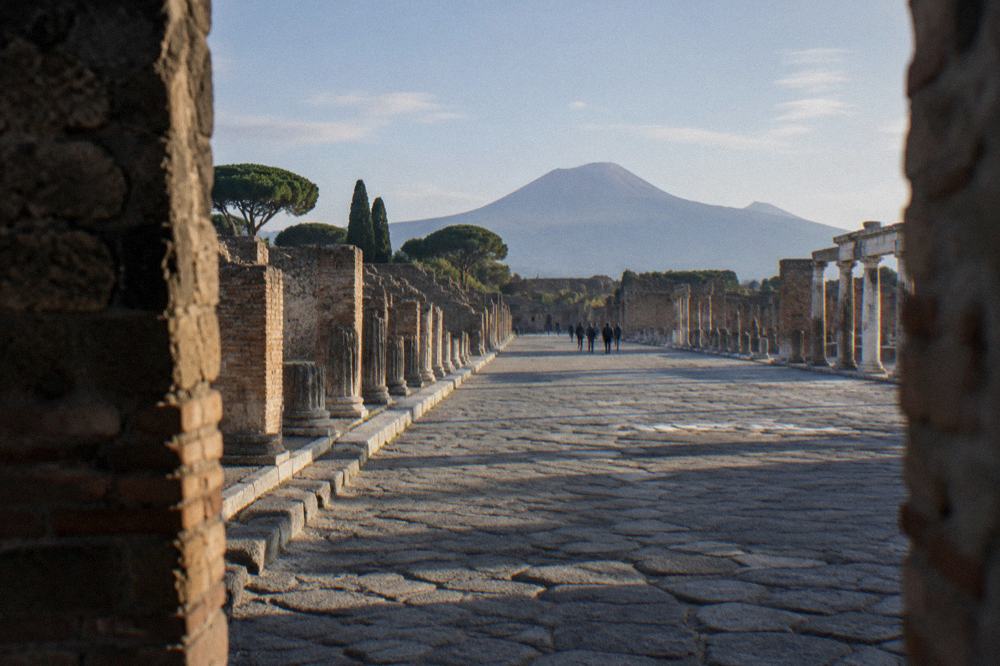
A small-group tour that covers both Pompeii and Herculaneum with an archaeologist guide is available for passengers who want a more scholarly approach. The guide explains the different ways the two towns were destroyed: Pompeii by a rain of pumice and ash that collapsed roofs and buried the city over 18 hours, Herculaneum by a fast-moving pyroclastic surge that killed instantly and preserved organic material that would have burned in a slower burial. The contrast is the intellectual heart of the two-site day, and a good guide makes it the thread that ties the itinerary together. The tour does not include transport from the port, so passengers must arrange their own transfer to the meeting point, typically at the Porta Marina entrance in Pompeii.
What Is There To Do In Naples On A Cruise Stop?
On a cruise stop in Naples you can wander the historic centre of a city with three thousand years of layered history, eat a pizza in the place where it was born, or take a trip to Pompeii; if you return with two or three hours to spare, the National Archaeological Museum, a short walk from the Piazza Cavour metro stop, holds the finest collection of artefacts from Pompeii and Herculaneum anywhere in the world, including the Alexander Mosaic, the Farnese collection of Roman sculpture, and the Secret Cabinet.
The historic centre of Naples, a UNESCO World Heritage site, is a dense grid of narrow streets, baroque churches, and workshops where craftsmen build the wooden frames for the city's famous presepi, or nativity scenes. The Spaccanapoli street cuts through the heart of the old town, and a walk from the Gesù Nuovo church to the Duomo takes about 20 minutes and passes enough history to fill a guidebook. The Cappella Sansevero, with its veiled Christ sculpture, is one of the most extraordinary works of marble carving in Europe and is a 10-minute walk from the Piazza del Gesù. A cruise passenger who has spent the morning in Pompeii can spend the early afternoon on a walk through the old town and still be back at the port by 15:30.
A street food tour of Naples is a way to taste the city in the time it takes to walk from one piazza to the next. The local specialities include pizza fritta, a deep-fried calzone filled with ricotta and salami, and sfogliatella, a shell-shaped pastry filled with sweetened ricotta and candied fruit. A guided food walk stops at several family-run shops and gives a passenger a crash course in the culinary geography of the city, from the seafood stalls of the Porta Nolana market to the pastry shops of the Via dei Tribunali. The tour lasts about two and a half hours and starts within walking distance of the cruise terminal.
A free walking tour of the old town, booked through GuruWalk, is another way to see the centre of Naples on a tight schedule. The tour is led by a local guide who works for tips and covers the Piazza del Gesù, the Spaccanapoli, the Duomo, and the street of the nativity workshops. This is a walking tour of Naples, not of Pompeii: no English-language free walk of the archaeological park exists, and any tour that claims to cover the ruins for free is not what it seems. GuruWalk is the platform that hosts these walks, and the individual guru's name and rating are on the live listing.
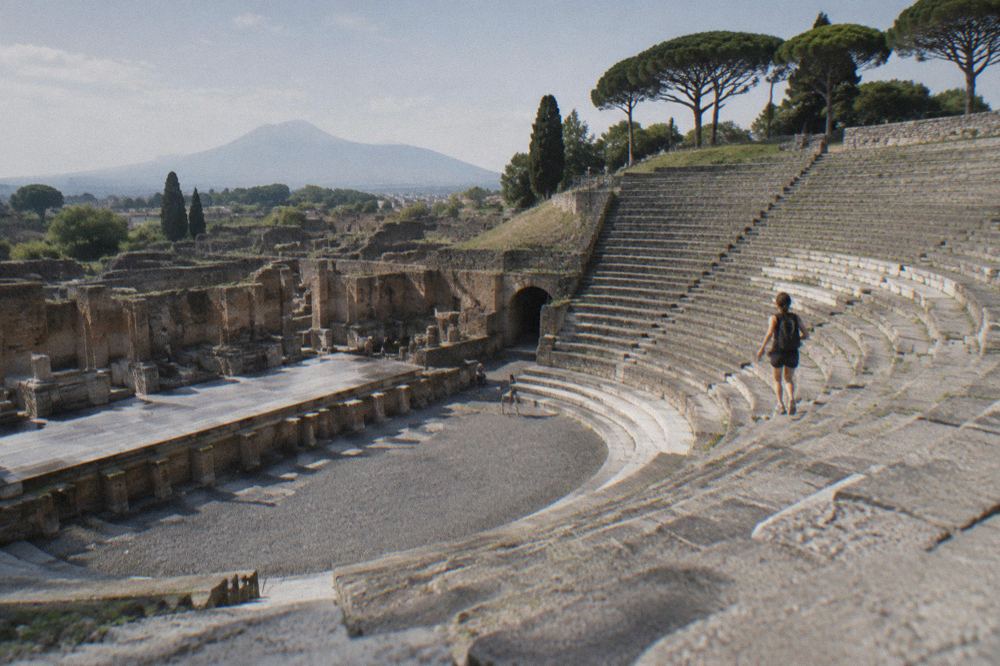
The National Archaeological Museum of Naples is the repository for the finest objects excavated from Pompeii, Herculaneum, and the other Vesuvian sites. The Alexander Mosaic, which once covered the floor of the House of the Faun in Pompeii, is displayed in a dedicated room on the first floor, and the sheer scale of the work, over 5 metres wide and composed of millions of tiny tesserae, is something that no photograph can convey. The Farnese Bull, the largest single piece of sculpture to survive from antiquity, sits in the ground-floor gallery, and the Secret Cabinet, a collection of erotic art from Pompeii and Herculaneum, is in a separate room that was once kept locked and is now open to all adult visitors. The museum is a 15-minute walk from the Piazza Cavour metro stop or a short taxi ride from the port, and a visitor who spends an hour there after a morning in Pompeii will see the objects that once filled the houses and temples they walked through.
Should You Book A Pompeii Shore Excursion Or Go Independently?
Book a shore excursion for a worry-free, guided visit with guaranteed on-time return to your ship; choose an independent trip to save money and set your own pace, as long as you can manage the Circumvesuviana timetable and are prepared for a taxi backup if the train fails you.
The cost difference is real but not as wide as it first appears. A shore excursion bundles the entry ticket, the guide, and the transport into a single price, while an independent visitor pays for the train, the entry ticket, and, optionally, an audio guide or a guidebook. The gap between the two approaches narrows when the value of the guide's knowledge and the peace of mind of the guaranteed return are factored in, and for a passenger who has travelled thousands of miles to stand in the Forum of Pompeii, the extra cost of a guided tour is often the best money spent on the entire cruise.
An independent visit works well for a passenger who has been to Pompeii before, who speaks some Italian, or who is travelling with a detailed guidebook and a pre-loaded map on their phone. The Circumvesuviana train is straightforward: buy a ticket at the station, validate it in the machine on the platform, and board the next train toward Sorrento. The Pompei Scavi-Villa dei Misteri stop is announced in Italian and English, and the Porta Marina entrance is directly across the road. For more on the train journey, read our guide to getting from Naples to Pompeii. A passenger who leaves the cruise terminal at 08:00 can be inside the ruins by 09:00, walk a two-hour route, and be back on a train by 11:30, with a comfortable margin for a 13:00 all-aboard. The risk is not the morning run but the afternoon return: a train cancellation or a long gap in the schedule can turn a 30-minute journey into an hour of waiting on a platform that has no air conditioning and little shade.
Check availability
The ticket queue at Pompeii is another variable that a shore excursion removes. The park has a daily cap of 20,000 visitors, and on a busy summer morning, the queue at the Porta Marina ticket office can stretch for 30 minutes or more. A shore excursion that includes skip-the-line entry bypasses the queue entirely, and the guide collects the tickets and hands them out on the coach before the group walks through the turnstile. An independent visitor who buys a ticket online in advance can also skip the queue, but the online system, run by vivaticket, requires a named ticket and a valid ID, and a passenger who forgets their passport or who mistypes their name on the booking form will have a problem at the gate. The nominative ticket rule, in force since 15 November 2024, means that the name on the ticket must match the name on the ID, and the park staff do check.
What Is The Best Way To Get From Naples Cruise Port To Pompeii?
The best way to get from Naples cruise port to Pompeii is by private transfer or shore excursion coach, which delivers you directly from the terminal to the ruins in about 22 minutes, bypassing the need for public transport. The Circumvesuviana train is a budget option but requires a transfer to Napoli Garibaldi station and a ride on a crowded commuter line, making the coach the clear winner for convenience.
A taxi from the cruise terminal to Pompeii is the fastest door-to-door option for a group of two or three passengers. The driver takes the A3 motorway and drops the passenger at the Porta Marina entrance, and the journey time of about 22 minutes is consistent in normal traffic. The return journey can be arranged by hailing a taxi at the rank outside the Porta Marina entrance, though the availability of taxis at Pompeii is not guaranteed, and a passenger who wants a confirmed return ride should book a private transfer in advance or use a shore excursion that includes the return journey.
The Circumvesuviana train is the option that most independent travellers choose. The station at Napoli Garibaldi is on the lower level of the main railway station complex, and the trains to Sorrento leave from platform 3. The journey to Pompei Scavi-Villa dei Misteri takes 29 to 35 minutes, and the station is directly across the road from the Porta Marina entrance. The trains are not air-conditioned, and they can be crowded in the middle of the day, but they run frequently and the cost is low. The operator, EAV, announced new trains and a revised timetable for the Vesuvian lines on 16 September 2026, and passengers should check the live schedule on the day of travel. The Campania Express, a more comfortable service with air conditioning and guaranteed seating, has been suspended since 1 October 2026 until further notice, and any travel plan that included it should be revised.
| Transport Option | Journey Time | Stress Level | Cost | Best For |
|---|---|---|---|---|
| Shore excursion coach | About 22 minutes | Low | Included in tour price | Most cruise passengers |
| Private transfer | About 22 minutes | Low | Higher, per vehicle | Families and groups |
| Taxi | About 22 minutes | Medium | Agreed in advance | Confident travellers |
| Circumvesuviana train | 29 to 35 minutes | Medium to high | Low | Budget-conscious independent travellers |
A shore excursion that includes a coach transfer is the option that removes the most variables. The coach meets the group at the cruise terminal or at a nearby meeting point, drives directly to Pompeii, and waits in a designated parking area while the group tours the ruins. The guide handles the tickets, the route, and the timing, and the driver gets the group back to the port with a buffer that accounts for traffic, a slow-moving group, or an unexpected delay at the site. For a comparison of the best tours from Naples, see our Pompeii tours from Naples page. For a passenger who has never been to Naples, who does not speak Italian, or who is travelling with children or older relatives, the coach transfer is the difference between a relaxed day and a day spent watching the clock.
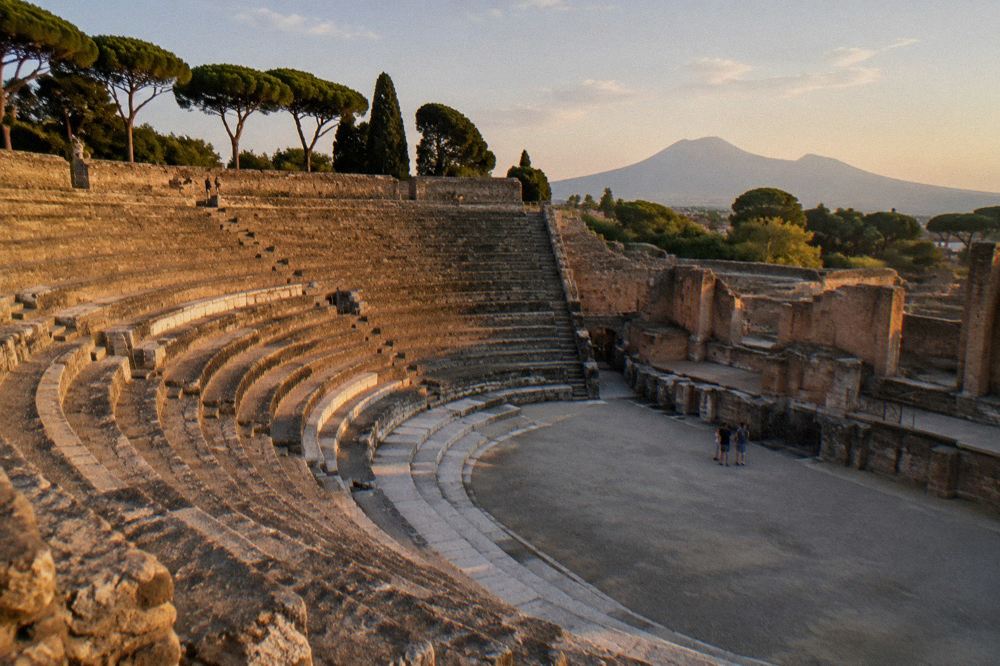
The road from Naples to Pompeii is the A3 motorway, which runs south-east from the port area through the industrial suburbs of San Giovanni a Teduccio and Portici before reaching the exit for Pompei Scavi. The drive is not scenic: the first 15 minutes pass through a dense urban corridor of apartment blocks, warehouses, and car dealerships, and the view of Vesuvius only opens up in the last few kilometres. A passenger who takes the train sees the same suburbs from the window of a commuter carriage, and neither option is a sightseeing experience in itself. The destination is the draw, and the transport is a means to an end.
What Should You Pack For A Pompeii Shore Excursion?
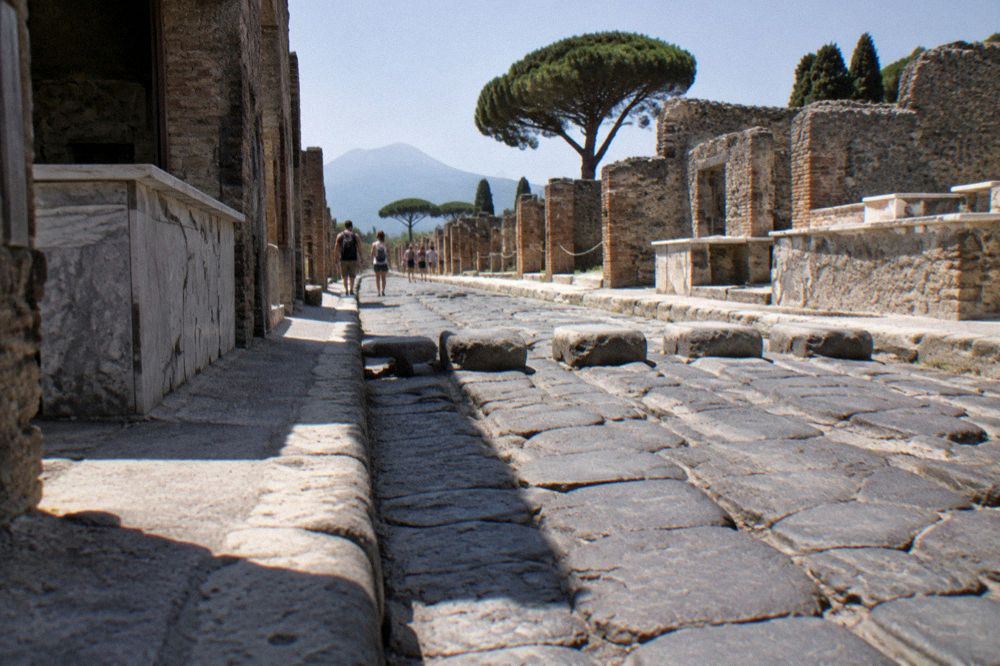
For a Pompeii shore excursion, pack a sun hat, high-factor sunscreen, and plenty of water, as the site has almost no shade and the basalt streets intensify the heat. Sturdy, closed-toe shoes with excellent grip are essential for walking on uneven, often slippery ancient stones. Carry everything in a small backpack no larger than 30x30x15 cm; larger bags must be left at the entrance luggage storage.
The climate at Pompeii is Mediterranean, with hot, dry summers and mild, wet winters. The 1991 to 2020 climate normals for the Pompei grid point, computed from the Open-Meteo ERA5 reanalysis archive, show mean daily maximum temperatures of about 28.7 degrees Celsius in July and 29.4 degrees Celsius in August, with July rainfall averaging only about 16 millimetres and August about 22 millimetres. A passenger visiting in July or August will be walking in temperatures that can feel closer to 35 degrees Celsius on the exposed paving stones, and the lack of shade inside the ruins means that a hat and sunscreen are not optional. The winter months, from November to February, are cooler and wetter: November averages about 180 millimetres of rain, the wettest month of the year, and the mean daily maximum in January is about 12.2 degrees Celsius. A waterproof jacket and shoes that can handle puddles are the right kit for a winter shore excursion.
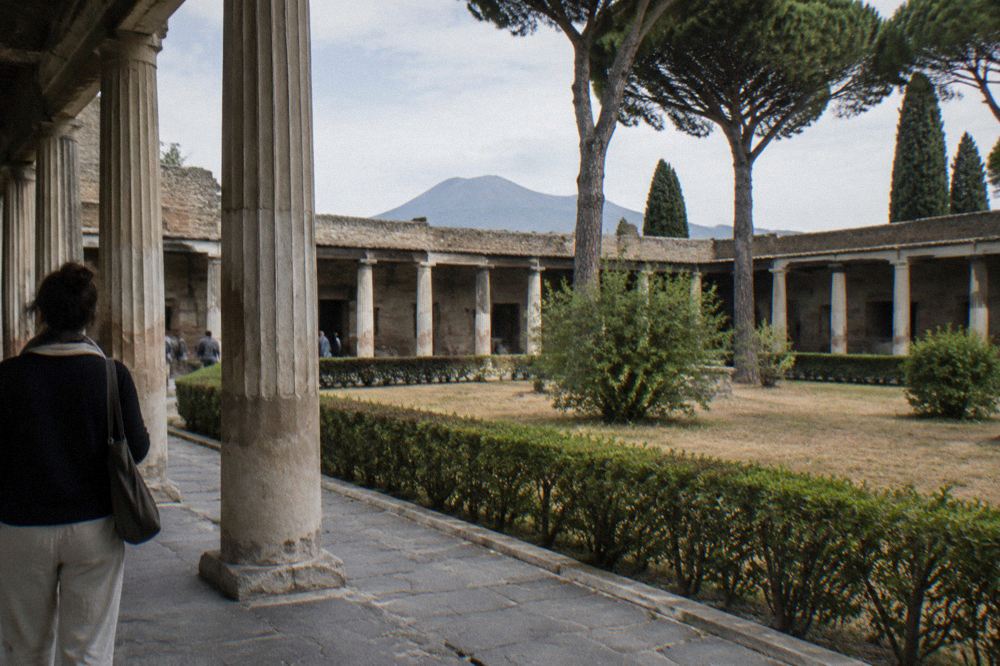
The park's bag policy is strict: only bags no larger than 30 by 30 by 15 centimetres are permitted inside the ruins, and larger items must be deposited at the left-luggage facility at the entrance. A small daypack that holds a water bottle, a camera, and a wallet is within the limit, but a full-sized backpack or a beach bag is not. The left-luggage facility is available at the Porta Marina and Piazza Anfiteatro entrances, and a passenger who arrives with a larger bag can store it for the duration of the visit. The policy is enforced at the turnstile, and a passenger who tries to enter with an oversized bag will be turned back.
A camera or a smartphone with a good lens is the one piece of kit that every visitor should carry. The light in Pompeii is extraordinary: the morning sun rakes across the Forum from the east, casting long shadows from the columns of the Temple of Jupiter, and the late afternoon light picks out the red and yellow pigments in the frescoes of the House of the Vettii. A wide-angle lens is useful for the large public spaces, and a telephoto lens or a zoom function can capture the details of the mosaics and the inscriptions without stepping over the barriers. Tripods and drones are not permitted without prior authorisation from the park, and a visitor who brings either will be stopped at the entrance.
| Season | Months | Typical Daytime Temperature | Rainfall | What To Wear |
|---|---|---|---|---|
| Summer | June to August | About 25 to 29 degrees Celsius (mean daily max) | Low, about 16 to 30 mm per month | Hat, sunscreen, light clothing, sturdy shoes |
| Autumn | September to November | About 17 to 25 degrees Celsius (mean daily max) | Moderate to high, up to about 180 mm in November | Layers, waterproof jacket, comfortable shoes |
| Winter | December to February | About 12 to 13 degrees Celsius (mean daily max) | Moderate, about 103 to 147 mm per month | Warm layers, waterproof coat, gloves |
| Spring | March to May | About 15 to 22 degrees Celsius (mean daily max) | Moderate, about 59 to 104 mm per month | Layers, light rain jacket, comfortable shoes |
Common Questions About Naples Shore Excursions
What Is The Distance From Naples Cruise Port To Pompeii?
The road distance from the Stazione Marittima cruise terminal to the archaeological park of Pompeii is about 24 km, a drive of roughly 22 minutes in normal traffic. The Circumvesuviana train from Napoli Garibaldi station to Pompei Scavi-Villa dei Misteri takes 29 to 35 minutes.
Can You Visit Pompeii And Herculaneum In One Cruise Stop?
A single-site tour is a more relaxed choice for most passengers.
Is A Shore Excursion To Pompeii Worth The Cost?
For a first-time visitor on a cruise, a shore excursion is usually worth the cost. It includes skip-the-line entry, a guided tour that explains the history and the archaeology, and a guaranteed return to the ship on time. The peace of mind alone is valuable for a passenger who is unfamiliar with the local transport.
What Is The Best Way To Get From Naples Cruise Port To Pompeii?
A shore excursion coach or a private transfer is the most direct and least stressful option, taking about 22 minutes. The Circumvesuviana train is the cheapest, taking 29 to 35 minutes from Napoli Garibaldi station to the Pompei Scavi-Villa dei Misteri stop, directly outside the Porta Marina entrance.
How Long Do You Need In Pompeii On A Shore Excursion?
A two-hour visit is enough to see the Forum, the main bath complexes, several of the most famous houses, and the plaster casts of the victims. A visitor who wants to explore the amphitheatre, the Villa of the Mysteries, or the more distant regions of the park needs three to four hours, which is only possible on a full-day shore excursion.
What Should I Pack For A Pompeii Shore Excursion?
A hat, sunscreen, and a bottle of water are essential in the summer, when the site offers almost no shade. Comfortable walking shoes with a grippy sole are necessary for the uneven basalt paving stones. A small backpack within the park's 30 by 30 by 15 centimetre size limit is the best way to carry these items.
The park has water fountains scattered throughout the site, and a passenger can refill a bottle at several points along the main route. A bottle of water bought from a vendor outside the entrance costs more than one brought from the ship, and a passenger who fills a bottle before leaving the cruise terminal saves money and avoids the plastic waste of a single-use bottle.