Can You Tour Pompeii On Your Own?
Yes, you can tour Pompeii independently: how self-guided visits to the ancient city near Naples in Italy work, what tickets cost, which entrances to use, and when a guide earns its keep.
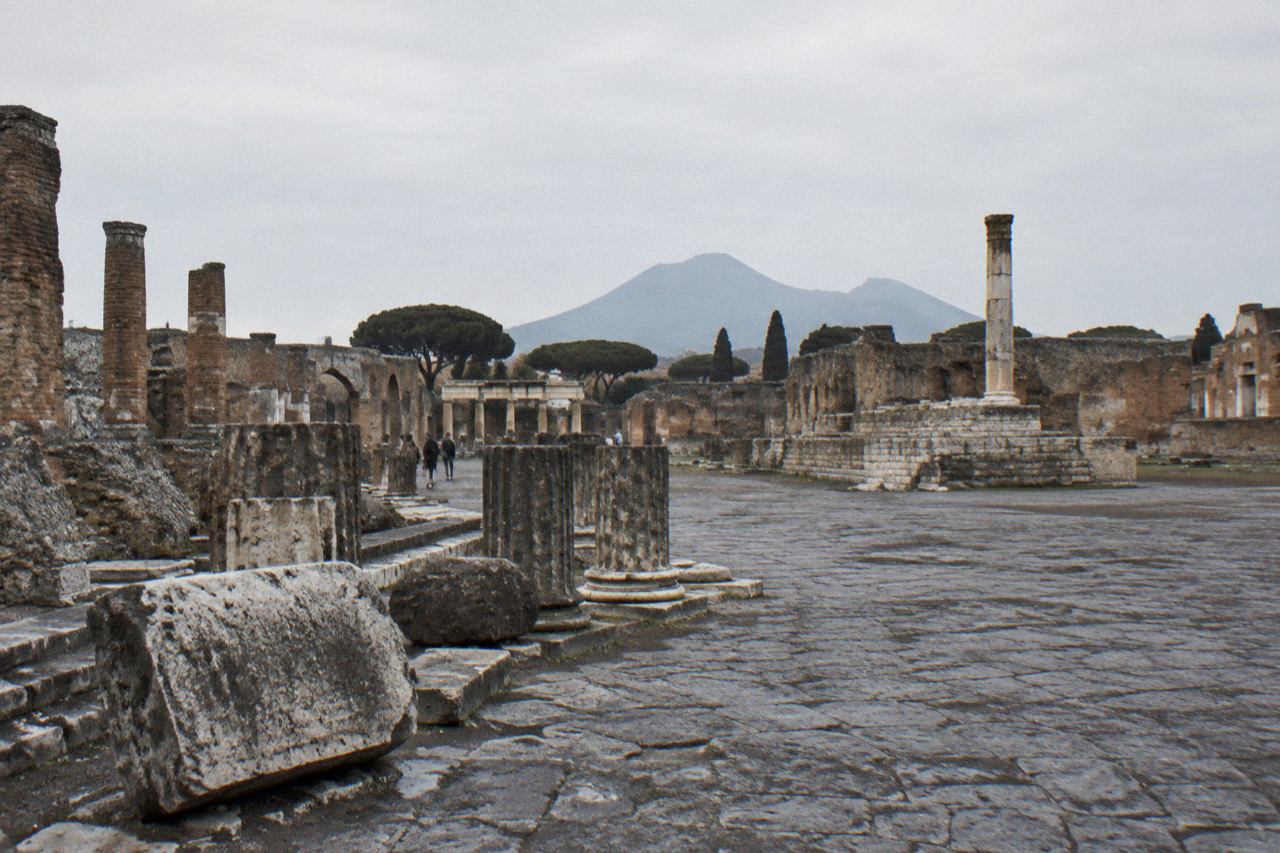
Yes, you can tour Pompeii on your own, and large numbers of visitors do exactly that every year at the archaeological park in Campania, southern Italy, beside the modern town of Pompei and about 24 km by road from Naples. No guide is required for entry, no booking beyond a ticket is needed, and the site's own signage, maps and free resources are built for independent walkers. What a self-guided visit does demand is preparation: the ticket structure changes, the entrances are spread around a very large site, and the ruins give up little of their story unless you bring some of it with you.
Can You Tour Pompeii On Your Own?
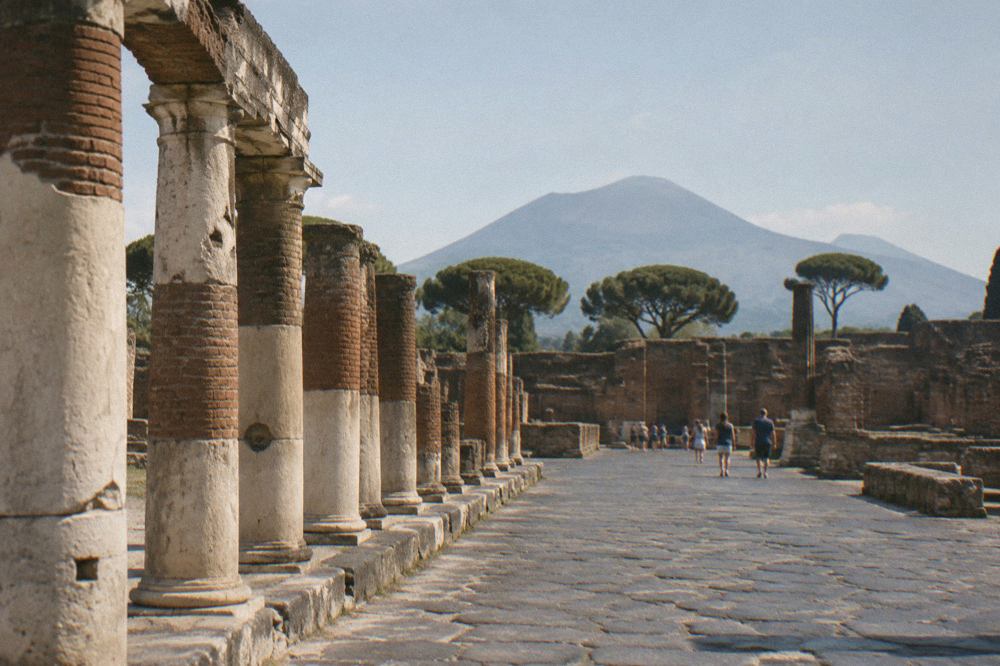
Yes. Pompeii is a ticketed archaeological park, not a guided-only attraction, so anyone with an entry ticket can walk the excavated ancient city independently, at their own pace, in any direction the site allows. A guide is optional. What is not optional is the ticket itself, the nominative name on it, the 20,000 visitors per day cap in force since 15 November 2024, and the bag size limit of 30x30x15 cm enforced at the gates.
The park's own regulations, published on the official pompeiisites.org visiting pages, set the framework: one named ticket per person, identity documents that may be checked at any entrance, non-transferable and non-refundable tickets except in cases of extraordinary closure. None of that requires a tour operator. You buy a ticket, you arrive at a ticket office or a pre-booked time slot, you walk in.
The honest case for independence is scale and freedom. The excavated area covers 44 hectares within a 98 hectare UNESCO inscribed property, and an independent visitor can linger at the House of the Faun or the Forum for as long as they like, skip what does not interest them, and leave when tired. The honest case against it is interpretation: the ruins are low walls, worn frescoes and stepping stones, and without context they can read as beautiful rubble. Travellers weighing that trade-off in detail may find the separate guided tour comparison useful.
For anyone arriving undecided between the two modes, here are three bookable options that sit at different points on the independence spectrum, from a guided train excursion out of Sorrento to a simple skip-the-line entry product.
What An Independent Pompeii Visit Actually Involves
An independent visit means buying your own ticket, choosing one of the three ticket-office entrances at Porta Marina, Piazza Esedra or Piazza Anfiteatro, and walking the site on marked routes with the park's paper map or an audio guide. In 2026 the Pompeii Express ticket costs EUR 20 for the ancient city alone, with no guide and no group attached. Opening hours run from 9:00, with last entrance at 17:30 and closing at 19:00 in the summer period from 16 March to 14 October.
That is the whole mechanical process. The 2026 ticket ladder is worth learning before you buy, because it decides which parts of the wider park you can reach. The table below shows the prices in force since 12 January 2026, per the park's official ticketing page.
| 2026 ticket | Price | What it covers |
|---|---|---|
| Pompeii Express | EUR 20 | The ancient city only |
| Pompeii+ | EUR 25 | City, suburban villas route, Villa Regina, Antiquarium Boscoreale, shuttle |
| 3-day ticket | EUR 30 | Pompeii+ plus Oplontis, the Stabiae villas and museum, Boscoreale |
| Other park sites (Oplontis, Stabiae museum, Boscoreale) | EUR 8 each | Single site each |
| My Pompeii Card (annual) | EUR 45 | Annual pass, EUR 10 reduced |
Two date-bound changes matter. First, these prices end on 31 December 2026: from 1 January 2027 a single EUR 25 ticket covers all park sites, valid 30 days with one entry per site, while the three smaller sites stay EUR 8 each and the My Pompeii Card stays EUR 45. Second, entry is free for everyone on the first Sunday of each month, and free year-round for under 18s, with a EUR 2 reduced rate for EU citizens aged 18 to under 25. The full ticket mechanics, including whether advance purchase is wise, are covered in the dedicated Pompeii ticket guide and the answer on buying tickets in advance.
Independent visitors should also budget for orientation. The site is genuinely big, and the terrain is uneven ancient paving, which the walking difficulty answer covers in detail. Sturdy shoes matter more than any gadget.
Guided Tours Vs Exploring Pompeii Independently
The difference is interpretation, not access. Both guided and independent visitors enter through the same gates under the same ticket rules and see the same ruins; a guided tour adds a trained narrator, a pre-planned route and usually a skip-the-line entry mechanic, while independence adds freedom, silence and the cost of only the ticket. Time is the hidden variable: a guided walk of the highlights takes roughly two hours, while an independent visitor planning their own route should set aside at least half a day.
Guides earn their fee where the site is mute. A good archaeologist-led walk turns a set of plaster casts, carbonised bread and election graffiti into a city with politics, commerce and panic. Guides also handle pacing, which matters in the summer heat; July and August mean daily maxima of about 28.7 and 29.4 degrees respectively at the Pompei grid point in the 1991-2020 normals, and shade inside the site is scarce.
Is a guide worth booking rather than going alone? A comparison of the two modes in table form:
| Factor | Independent visit | Guided tour |
|---|---|---|
| Cost beyond the entry ticket | None mandatory; audio guide optional | Tour fee, ticket inclusion varies by product |
| Pace and route | Fully your choice | Set by the guide and group |
| Depth of interpretation | Only what you bring or rent | Delivered throughout |
| Entry logistics | Your own time-slot booking | Usually handled by the operator |
| Flexibility to linger | Unlimited | Limited by group schedule |
| Best suited to | Repeat visitors, independent travellers, long-stay | First-time visitors, short-stay, cruise-day visitors |
Travellers arriving on a tight clock, such as a cruise ship day, often lean guided simply because a tour compresses decisions. Those with a full day and curiosity tend to thrive alone. Neither choice is wrong, and you can also blend them: visit independently in the morning, then join a specialist walk for a single building such as the Villa of the Mysteries.
Which Entrance Should An Independent Visitor Choose?
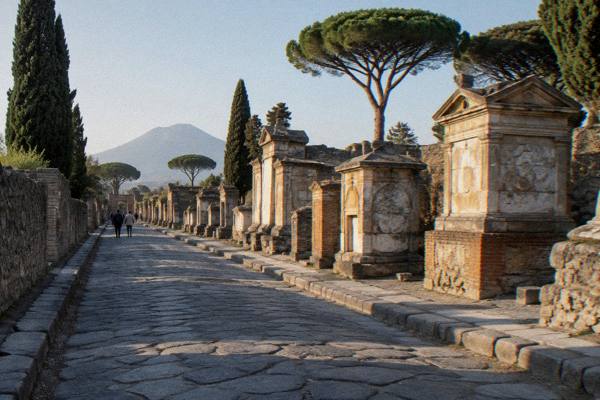
All three hold ticket offices. The suburban villas route is separate, entered at Porta Ercolano via the Street of the Tombs, where Express holders can add it for EUR 8.**
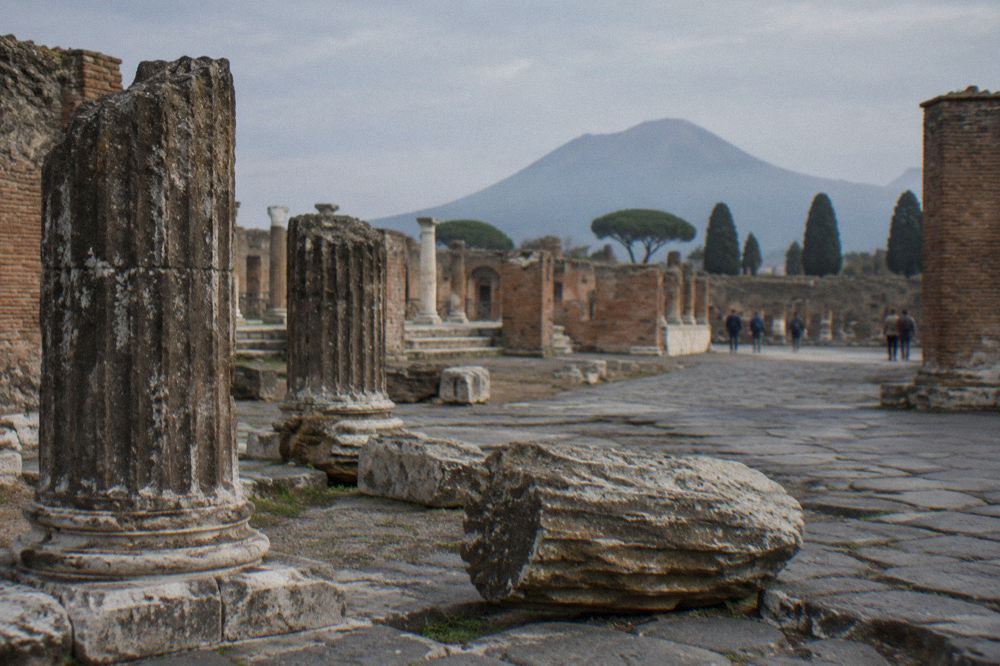
The choice is really a route decision. Entering at Piazza Anfiteatro reverses it. The distance between the far gates is considerable on ancient stone, so plan the exit you want, not just the entrance.
| Entrance | Where it is | Why choose it |
|---|---|---|
| Porta Marina | Western edge, closest to the Circumvesuviana station | Forum-first classic route |
| Piazza Anfiteatro | Eastern side, by the amphitheatre | Amphitheatre-first route, accessible entry point |
| Porta Ercolano / Street of the Tombs | Western side, suburban route | Villas of the Mysteries and Diomedes add-on |
Independent visitors relying on the train should note one operational fact: the Campania Express service has been suspended since 1 October 2026 until further notice, so the regular Circumvesuviana line and the stop named Pompei Scavi-Villa dei Misteri are the rail reality for now. EAV, the operator, publishes timetables on its own site. The wider set of guides lives on Pompeii Travel Guide.
Planning Your Own Route Through The Ruins
To plan your own route, start with the park's free map, which marks all of these sites. Budget three to four hours minimum, carry water, and accept that you will not see everything in one visit, because the excavated city covers 44 hectares.
Choosing which houses to enter is the part worth doing the night before. The House of the Vettii and the House of the Faun reward fresco and mosaic lovers; the Garden of the Fugitives holds the plaster casts that stay with visitors longest; the Lupanar answers the question almost everyone eventually asks. One status note: the Praedia of Julia Felix has been closed to the public since 7 September 2026 for maintenance, so leave it off any route drawn before that date.
For structure, an archaeologist-led walk can also serve as a route-builder for a longer independent stay, showing you how the streets connect before you strike out alone the next day.
Practicalities matter as much as route. There are toilets at the site, covered by the facilities answer, and water fountains inside the walls. The map page helps visualise the gate-to-gate sweep before you commit.
When Going Alone Stops Making Sense
Going alone stops making sense when time is short, transport is complicated or the visit is part of a bigger day. A cruise passenger with five hours ashore, a Sorrento-based traveller who would otherwise puzzle over the Circumvesuviana, or a Rome visitor squeezing Pompeii and the coast into one day all lose more time to logistics than a tour costs. Solo visitors who simply want the ruins at dawn-light pace lose nothing at all by independence.
The transport point deserves emphasis for anyone based along the Sorrento peninsula or in Naples. The park sits on one rail line with a named station, and the connecting journeys from either base are simple once understood but consume attention on a first visit. A product such as the Check availability link shows, the train-plus-guide format from Sorrento bundles the journey and the interpretation into one decision, which is precisely the bundle independence declines.
Day-trippers from Rome face the same arithmetic at larger scale; the Rome day trip question works through it. And anyone tempted to combine Pompeii with Herculaneum should read the one-day two-site answer before committing, because two archaeological parks in a day is feasible but unforgiving of slow mornings.
Common Questions About Touring Pompeii On Your Own
Can you tour Pompeii on your own?
Yes. Pompeii is an open-access archaeological park once you hold a ticket, and no guide or group is required. Independent visitors enter at Porta Marina, Piazza Esedra or Piazza Anfiteatro and walk freely along the site's routes.
Can you just show up at Pompeii without booking anything?
You can, but the 20,000 visitors per day cap and time-slot system mean popular days can sell out. The spontaneous visit answer explains the risks and the quiet alternatives.
Is a guide needed to understand Pompeii?
No, though the ruins interpret poorly without context. A paper map, an audio guide or advance reading covers the basics; a trained guide adds depth and pacing that first-time visitors often value.
Which ticket does an independent visitor need?
In 2026 the Pompeii Express ticket at EUR 20 covers the ancient city alone, which is what a self-guided day trip needs. From 1 January 2027 a single EUR 25 ticket covers all park sites for 30 days.
How long does a self-guided Pompeii visit take?
Set aside at least three to four hours for a highlight route from Porta Marina to the amphitheatre. A fuller independent day with the suburban villas runs longer.
Whichever mode you choose, the underlying answer stands: Pompeii imposes no guide requirement, only a ticket, a name and a cap. Independent visitors who arrive with a route, water and a little Roman context in their heads get one of the great walks in archaeology entirely on their own terms.