What Are Some Hidden Gems In Naples?
Overlooked corners of Naples, from ossuary caves to hidden terraces above the sea, with honest planning notes for pairing the city with a Pompeii day trip.
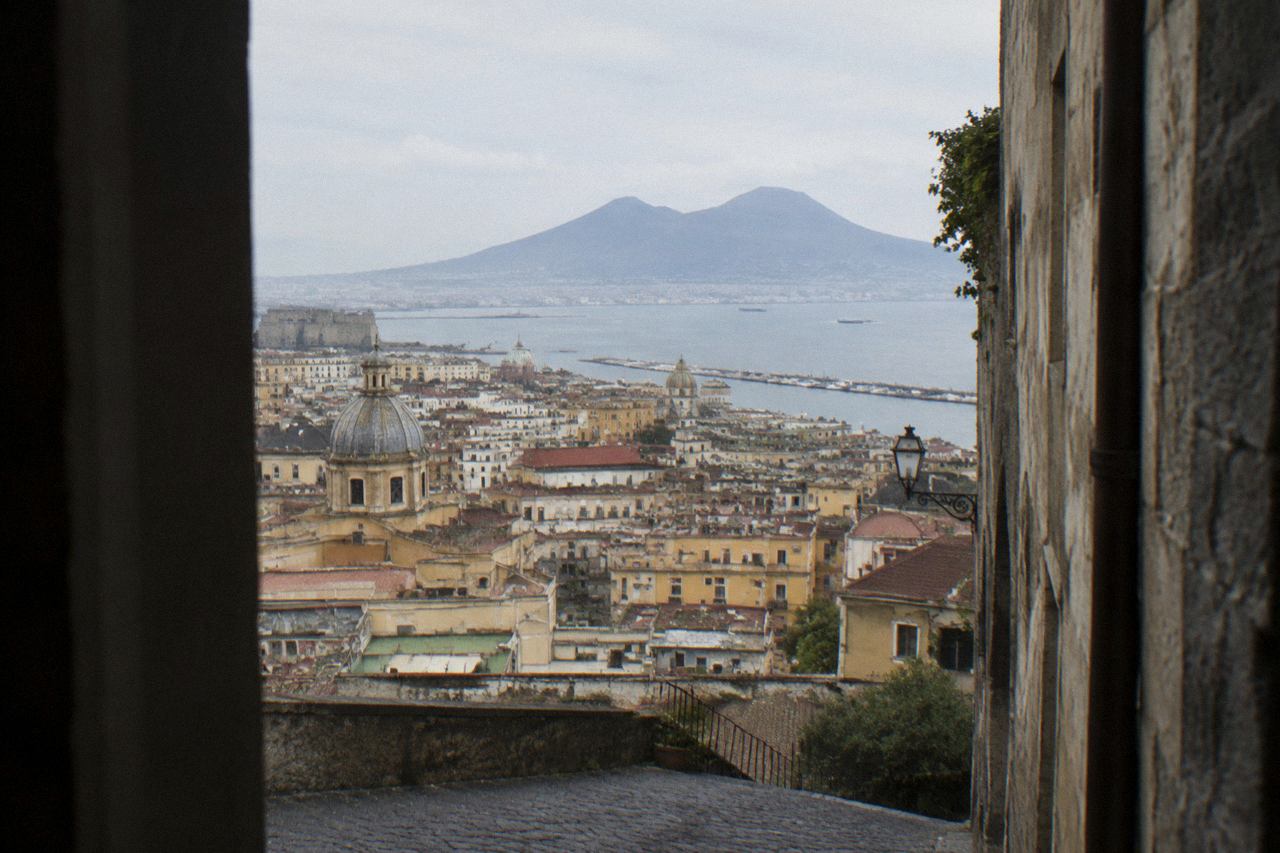
Naples sits about 24 km by road north-west of Pompeii, the ancient Roman city buried by Mount Vesuvius in AD 79, and the modern city rewards travellers who look past its headline squares. The decumani of the Greek-era street plan still shape the old centre, and between them run alleys where workshops carve nativity figures, ossuary caves open into the hillside, and terraces look straight across the bay to the volcano that destroyed Pompeii. This page, from the editors behind Pompeii Travel Guide, gathers the corners that first-time visitors walk past, with honest notes on what each one is and how it fits a trip built around the archaeological park.

What Are Some Hidden Gems In Naples?
The genuine hidden gems in Naples are the Fontanelle cemetery, a hillside ossuary of stacked skulls in the Sanità district; the nativity workshops of Via San Gregorio Armeno; the tiny skull-adorned alley of Santa Luciella ai Librai off Spaccanapoli; the seafront terrace of the Parco Virgiliano above Mergellina; and the garden terrace hidden atop Palazzo Venezia in the old centre. Each sits within walking distance or a short ride of the main sights, none charges a famous-name queue, and together they show the Naples that residents actually use. Visitors pairing the city with Pompeii can reach the excavations from Napoli Garibaldi in 29 to 35 minutes on the Circumvesuviana, so these corners slot easily into a two-centre day or an overnight stay.
Spaccanapoli, the straight street that literally splits the old centre in two, is the spine to explore. It is not itself a hidden gem in the strict sense, since every guidebook names it, but the lanes dropping off it hold the quieter rewards. Santa Luciella ai Librai is a small deconsecrated church whose courtyard and adjoining alley display a stone skull with silver wings, and the building now runs as a community cultural space rather than a ticketed attraction. A few blocks away, Palazzo Venezia looks like a plain office building from the street, yet its rooftop garden opens a view over the roofs of the historic centre that few visitors know exists.
Below street level, Naples sits on a honeycomb of tunnels, aqueducts and caves. The best-known underground visit is covered on the Naples underground day-trip page, but the Fontanelle cemetery in the Sanità district is the stranger and quieter sibling: a vast tuff cave where the bones of the city's poor were stacked over centuries, and where a popular cult of adopting and caring for individual skulls grew up around them. It is a sombre place, and it rewards visitors who take it slowly rather than treating it as a photo stop.
Why Is The Historic Centre Full Of Overlooked Corners?
The historic centre is dense enough that celebrated sights absorb the foot traffic while equally real corners a street or two away stay quiet, and the city's layered history means churches, palaces and workshops sit shoulder to shoulder with ordinary housing. Via San Gregorio Armeno is the clearest case: a narrow street of workshops where artisans carve presepi, the nativity scenes of the Neapolitan Christmas tradition, and where many workshops operate year round, not only in December. Visitors come for the famous street, then leave within an hour, missing the smaller workshops in the side lanes where the carving actually happens.
The trio of east-west streets that form the decumani carries the crowds between the cathedral and the main squares. Turn north or south off them and the character changes within a block. The Sanità district, reached by walking downhill past the museum quarter, was historically the home of the city's working families, and it holds the Fontanelle cemetery, the pale yellow façades familiar from Italian cinema, and a cluster of small pastry shops selling the deep-fried dough treats the neighbourhood is known for. Restoration and community projects have opened several once-closed courtyards there in recent years, though openings change, so check what is accessible on the day.
| Corner | Neighbourhood | What it is | Why it stays quiet |
|---|---|---|---|
| Fontanelle cemetery | Sanità | Hillside cave ossuary with stacked skulls and bones | Sombre subject and off the main axis |
| Santa Luciella ai Librai | Historic centre | Small church courtyard with a winged stone skull | Easy to walk past, tiny doorway |
| Palazzo Venezia terrace | Historic centre | Rooftop garden over the old centre's roofs | Plain street frontage hides the entrance |
| Via San Gregorio Armeno workshops | Historic centre | Year-round nativity carving studios | Crowds stay at the street's famous end |
| Parco Virgiliano | Posillipo hill | Seafront park with bay and volcano views | Reached only by a deliberate bus ride |
For travellers using Naples mainly as a base for the excavations, these corners fill an afternoon neatly. The city also has a free introduction of its own: a tip-based GuruWalk old-town walk led by local guides, which covers the historic lanes in the company of Neapolitans who live in them. It runs in Naples itself and does not cover the ruins, which have no equivalent English-language free walk. If your day belongs to Pompeii, the selection below shows the three formats that pair best with a city stay.
Which Naples Gems Sit Away From The Centre?
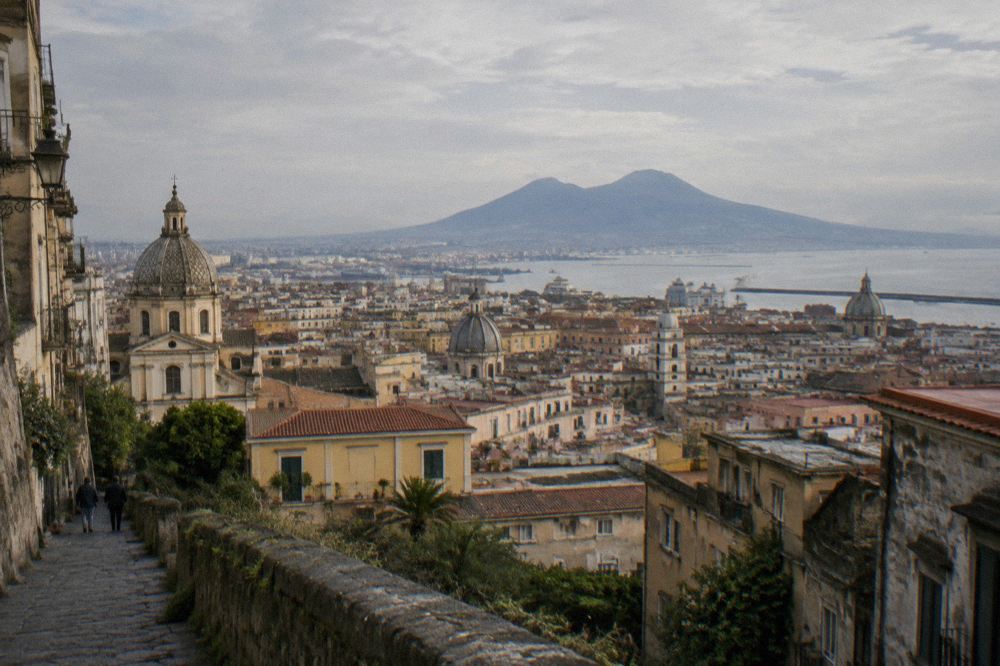
The gems furthest from the centre are on the Posillipo hill and the western seafront: the Parco Virgiliano terrace with its panorama over the Bay of Naples, the tiny island of Gaiola just offshore, the fishing village atmosphere of Marechiaro, and the long waterfront promenade that links Mergellina to the centre. Each needs a bus or a deliberate walk, which is exactly why they stay uncrowded. The Parco Virgiliano in particular gives the clearest view of the whole bay, with Vesuvius opposite, and it costs nothing to enter.
Posillipo is the residential hill that closes the city to the west, and its coastline is riddled with Roman ruins, including the remains of imperial-era villas at the water's edge near Gaiola. The little island itself sits in a protected marine area, and the small beaches beside it are local favourites in summer. Marechiaro, a former fishing hamlet below the cliff, preserves something of the village scale the rest of the waterfront has lost. Reach the area by city bus towards Posillipo and walk down through the residential lanes; the descent is part of the appeal.
Back towards the centre, the seafront changes character with every district. From theCastel dell'Ovo stretch to Mergellina the promenade offers a long, level walk with the volcano in view the whole way, and the smaller harbours in between sell fried fish and coffee to a mixed local and visitor crowd. Cruise passengers with a single day should weigh this waterfront time against the excavations; the Pompeii cruise-ship day itinerary exists precisely because that trade-off is tight. For everyone else, an evening passeggiata along this stretch is the natural end to a day that began in the ruins.
When Is The Best Month To Explore Naples Quietly?
The quietest months to explore Naples with comfortable walking weather are April, May, October and November's shoulder edges, when the 1991-2020 climate normals for the nearby Pompei grid point show daytime highs of about 17.7 to 21.6 degrees in spring and about 21.3 degrees in October, with rain still moderate compared with the winter peak. July and August bring the highest normals, about 28.7 and 29.4 degrees respectively, and the thinnest crowds are in the November-to-February window, when November is the wettest month at about 180 mm of rain. The trade-off between quiet streets and dry pavement is yours to make.
The normals below come from the Open-Meteo historical archive for the grid point at 40.75 N, 14.49 E, which represents this stretch of the Bay of Naples as a reanalysis grid rather than a city weather station, so treat the figures as approximations. They describe the coast Pompeii shares, and they apply well enough to Naples a short drive north.
| Month | Mean daily high (C) | Mean daily low (C) | Rain (mm) |
|---|---|---|---|
| Jan | about 12.2 | about 6.6 | about 119 |
| Feb | about 12.6 | about 6.5 | about 103 |
| Mar | about 14.9 | about 8.1 | about 104 |
| Apr | about 17.7 | about 10.4 | about 87 |
| May | about 21.6 | about 14.1 | about 59 |
| Jun | about 25.8 | about 18.2 | about 30 |
| Jul | about 28.7 | about 21.1 | about 16 |
| Aug | about 29.4 | about 21.8 | about 22 |
| Sep | about 25.3 | about 18.6 | about 90 |
| Oct | about 21.3 | about 15.1 | about 129 |
| Nov | about 16.9 | about 11.5 | about 180 |
| Dec | about 13.2 | about 8.0 | about 147 |
Two seasonal notes matter. November is the wettest month in the record and July the driest at about 16 mm, so the same week that suits a dry seafront walk is the week that suits standing queues in full sun. Winter visitors get the excavations at their emptiest, but the park's own winter schedule applies from 15 October to 15 March, with last entrance at 15:30 and closing at 17:00, so a winter Pompeii morning should start early. The full opening-hours picture is on the Naples to Pompeii guide.
How Do You Pair Naples Gems With A Pompeii Trip?
Pair a morning in the excavations with an afternoon in the old centre on a single day: the Circumvesuviana runs from Napoli Garibaldi to Pompei Scavi-Villa dei Misteri in a scheduled 29 to 35 minutes, the station sits beside the Porta Marina entrance, and returning trains put you back in the historic centre with the whole evening free for Fontanelle, Spaccanapoli or the seafront. The station for the excavations is Pompei Scavi-Villa dei Misteri, and the entrance it serves is Porta Marina, one of the three ticket-office entrances alongside Piazza Esedra and Piazza Anfiteatro. Two fuller comparisons of basing choices are on the Naples versus Sorrento base guide and the answer on staying in Naples or Pompei.
One transport fact changes plans: the Campania Express, the premium limited-stop service on the same coast, has been suspended since 1 October 2026 until further notice, per the operator EAV's own notice, so the Circumvesuviana is the working rail option from Naples. EAV announced new trains and a new timetable for the Vesuvian lines on 16 September 2026, but the specific service details of that plan are not yet confirmed, so plan around the published timetable rather than any headline figure. Refunds for suspended Campania Express tickets run through EAV's complaints form or the original seller.
Guided formats suit different bases. Travellers staying in Sorrento can take the Pompeii Express Guided Tour by Train, a two-hour guided visit reached by rail from the coast, and the operator's live listing carries the current price and departure details: Check availability. The tours overview page compares every format side by side. Visitors based in Naples with a full free day often prefer a combined ruins-and-Vesuvius outing with lunch included, which the tile below shows.
Before booking anything, decide what the Naples half of the trip is for. If the city is a base, the hidden gems above fill the evenings and the spare afternoons between ruins days. If the city is a one-day stop, the guide to Pompeii tours from Naples will do more for you than any list of alleys, and the question of what not to miss in Naples covers the headline sights this page deliberately skips.
Common Questions About Hidden Gems In Naples
What are some hidden gems in Naples?
The Fontanelle cemetery in Sanità, the Santa Luciella skull courtyard off Spaccanapoli, the rooftop garden of Palazzo Venezia, the nativity workshops of Via San Gregorio Armeno and the Parco Virgiliano terrace above Mergellina are the corners that stay quiet while the crowds gather at the famous sights.
Can you visit Naples and Pompeii on the same day?
Yes. The Circumvesuviana runs from Napoli Garibaldi to Pompei Scavi-Villa dei Misteri in a scheduled 29 to 35 minutes, beside the Porta Marina entrance, so a morning in the excavations and an afternoon in the historic centre is a realistic single day, though a two-day pace shows both better.
How far is Pompeii from Naples?
About 24 km by road, south-east along the bay. By rail, the scheduled Circumvesuviana time from Napoli Garibaldi to Pompei Scavi-Villa dei Misteri is 29 to 35 minutes. The Campania Express has been suspended since 1 October 2026, so the Circumvesuviana is the working train option.
Is the Fontanelle cemetery worth visiting?
For travellers with an interest in the city's social history, yes: it is a cave ossuary unlike anything else in the region, and its story of skull adoption is genuinely distinctive. It is a sombre site rather than an entertainment, and opening arrangements change, so confirm access before making a special trip into Sanità.
Do any free tours cover Naples?
Yes, but only in Naples itself, not in the ruins. GuruWalk lists tip-based old-town walks led by local Neapolitan guides, which work well as a first orientation to the decumani and the hidden courtyards. No equivalent English-language free walk of Pompeii exists.
Naples earns the time travellers usually spend rushing through it, and the corners above are the reason: a cave of bones, a street of carvers, and a terrace where the volcano that buried Pompeii stands quietly opposite the city it never destroyed. Plan the ruins first, then let the alleys have the afternoons.