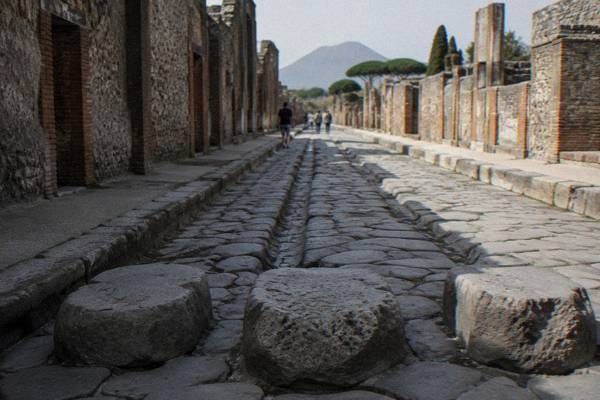
What Is Pompeii Called Today?
The ancient Roman city of Pompeii is today the Parco Archeologico di Pompei, an archaeological park beside the modern Italian town of Pompei, about 24 km from Naples.
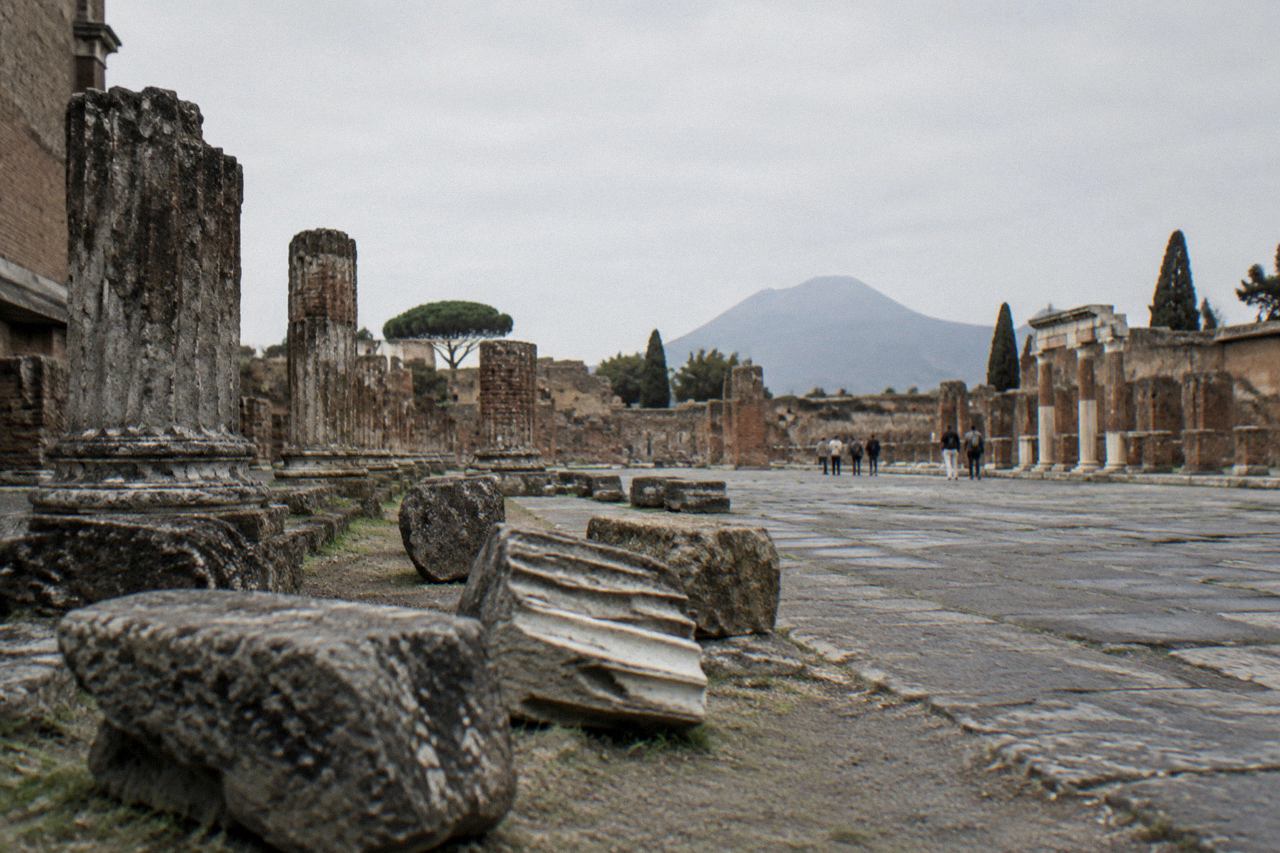
The ancient Roman city of Pompeii, buried by the eruption of Mount Vesuvius in AD 79 and about 24 km by road south-east of Naples on the Bay of Naples, is not a ghost name on a map. It is a living, ticketed, working archaeological park in Campania, southern Italy, and it goes by an official Italian name that many visitors never learn before they arrive. Beside the excavations stands a separate, fully modern town, and the difference between the two names is the single most useful piece of orientation a first-time visitor can carry.
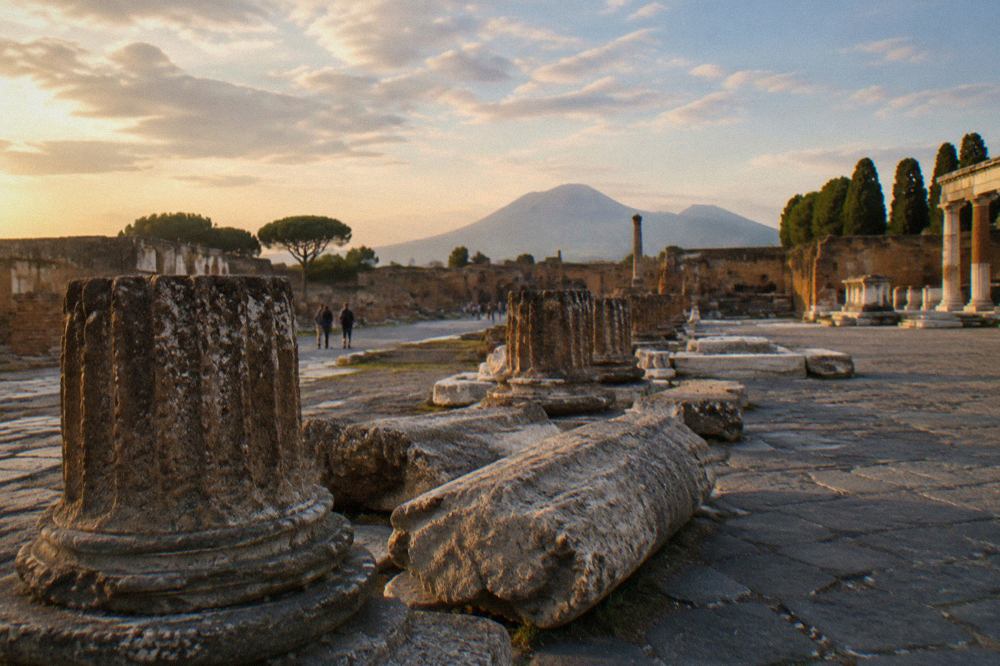
What Is Pompeii Called Today?
The ancient city of Pompeii is called the Parco Archeologico di Pompei, the Archaeological Park of Pompeii, and it has been a public archaeological site in continuous excavation and visitation since the excavations began. The modern town that has grown up beside the ruins is called simply Pompei, with one "i", and its train station for the ruins is Pompei Scavi-Villa dei Misteri. In English, the ancient site keeps the spelling Pompeii, with two.
Both names sit on official signage, and the park's own communications use them precisely. The park is a state body, part of Italy's ministry of culture network, and its name appears on every ticket, sign and press release issued at the site. The distinction matters in practice: if a hotel, a bus stop or a timetable says "Pompei" it means the modern town, and if it says "Pompei Scavi" or "Scavi" it means the excavations themselves. Travellers who book accommodation in "Pompei" without checking may find themselves in the modern centre rather than beside an entrance.
The one-letter difference has a history worth a sentence. Pompeii is simply the Latin name, and Italian dropped the final vowel as the language evolved; the modern town inherited the Italian form while scholarship kept the Latin form for the ancient city. Nothing deeper separates the spellings, but convention is rigid in Italy, and mixing them confuses locals and search engines alike.
This page is part of a wider set of plain-language answers on Pompeii Travel Guide, covering everything from tickets to the eruption itself.
How The Modern Town Of Pompei Grew Up Beside The Ruins
The modern town of Pompei is a separate municipality in the Metropolitan City of Naples, home to the Sanctuary of the Madonna of Pompei, a major pilgrimage basilica that draws visitors who never enter the excavations at all. The town is not built on the ancient city; it grew beside and partly over the unexcavated margins, while the ancient streets inside the park boundary have carried no residents since AD 79.
Nobody lives inside the archaeological park. The excavated area covers 44 hectares of a 98-hectare inscribed UNESCO property, and the remainder of the ancient city still lies under fields and modern development, a figure explored in detail in how much of Pompeii still lies buried. The modern town's identity is therefore religious and residential rather than Roman, even though its economy leans heavily on the visitors next door.
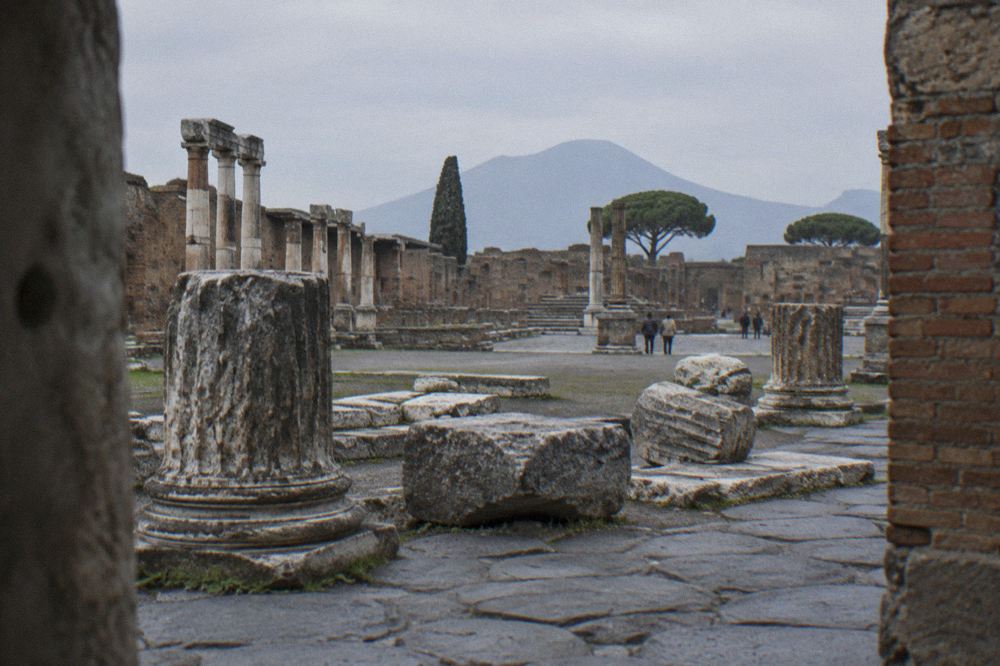
The naming chain extends to transport. The Circumvesuviana railway station serving the ruins is named Pompei Scavi-Villa dei Misteri, "scavi" being Italian for excavations, and there is a separate Pompei station for the town centre. Knowing which station the itinerary calls for saves a walk of more than a kilometre on a hot day; the station question is covered fully in which train station is best for Pompeii.
For visitors arriving from Naples, the featured option on this site is a half-day trip with skip-the-line tickets and a guide, which handles the naming problem for you by delivering you to the right entrance; its current price and rating appear on the operator's live listing, and you can Check availability alongside the plain-language page on whether Pompeii works as a day trip from Naples.
Who Runs The Ancient City And What It Costs To Enter
The Parco Archeologico di Pompei is a state archaeological park run by Italy's ministry of culture, with named entrances at Porta Marina, Piazza Esedra and Piazza Anfiteatro, a daily cap of 20,000 visitors and nominative tickets in force since 15 November 2024. In 2026 the Express ticket costs EUR 20, Pompeii+ costs EUR 25 and the three-day ticket EUR 30, all prices that end on 31 December 2026.
That last clause is not small print. The park announced on 14 September 2026 that from 1 January 2027 a single EUR 25 ticket covering all park sites, valid 30 days with one entry per site, replaces the whole current structure; the three smaller sites stay at EUR 8 individually and the MyPompeii Card stays at EUR 45. Anyone comparing prices found in an old guidebook or a forum thread from last spring is comparing against a tariff that is already scheduled to disappear.
| Ticket (2026 tariff, ends 31 Dec 2026) | Price | What it covers |
|---|---|---|
| Pompeii Express | EUR 20 | The ancient city only |
| Pompeii+ | EUR 25 | City, suburban villas route, Villa Regina and Antiquarium at Boscoreale, shuttle |
| 3-day ticket | EUR 30 | Pompeii+ plus Oplontis, the Stabiae villas and museum, Boscoreale |
| Other sites individually (Oplontis, Stabiae museum, Boscoreale) | EUR 8 each | Single site, single entry |
| MyPompeii Card (annual) | EUR 45 (EUR 10 reduced) | Annual access to the park's sites |
Entry is free for under-18s and for everyone on the first Sunday of the month, and EU citizens aged 18 to under 25 pay EUR 2. The full decision process is laid out in Pompeii tickets explained, including whether you should buy tickets in advance, which the nominative-ticket system has made a more pressing question than it used to be.
What The Other Buried Towns Around Vesuvius Are Called Today
Herculaneum is today called Ercolano in Italian, and its site is a separate archaeological park entered from the modern town of the same name; Oplontis is the name given to the Roman villa at Torre Annunziata; and Stabiae is the name for the villa complex at Castellammare di Stabiae, whose modern town has kept its own full name. All three are administered within the wider Pompeii park structure but visited as separate sites with separate tickets.
The grouping is administrative, not geographical. The naming is genuinely confusing even for Italians, because the ancient names and the modern names never match, and English usage splits the difference: English keeps "Herculaneum" for the site but uses "Ercolano" for the town.
| Ancient name | Modern town today | Status |
|---|---|---|
| Pompeii | Pompei | Main archaeological park, 44 ha excavated |
| Herculaneum | Ercolano | Separate park; Villa dei Papiri and the Ancient Theatre closed for works |
| Oplontis | Torre Annunziata | Villa site within the park structure, EUR 8 in 2026 |
| Stabiae | Castellammare di Stabiae | Villas and museum within the park structure, closed on Tuesdays |
The Herculaneum pairing gets its own treatment in what Herculaneum is called today, and visitors weighing one against the other will find the comparison in the guide to Herculaneum. Note the closures in the table above: the Villa dei Papiri and the Ancient Theatre at Herculaneum are both shut until further notice for works, so itineraries built on older descriptions need adjusting.
Why Nobody Lives In Pompeii Now
The ancient city has had no residents since the eruption of AD 79, traditionally dated to 24 August, and the excavated area has been progressively protected as an archaeological site rather than resettled. Roughly 44 hectares of the city have been excavated within a 98-hectare inscribed UNESCO property, and the ground beneath and around the ruins is treated as an archaeological archive, not building land.
The eruption date itself is a live scholarly debate rather than a settled fact. Pliny the Younger's oldest manuscripts give 24 August, while the park's own e-journal states that the competing 24 October date has no evidentiary basis and traces it to a 1929 misreading, without declaring 24 August certainly correct either. The honest formulation is "traditionally dated to 24 August", which is what the park's own tradition supports.
What that history left behind is a city-sized ruin with streets, baths, bakeries and bars still standing, the same streets that gave the site its raffish popular reputation, explored in why Pompeii is called sin city. Walking them today, the absence of residents is the point: the park preserves a frozen urban fabric rather than reviving one.
| Year | Visitors to the Pompeii site |
|---|---|
| 2022 | 2,972,159 |
| 2023 | 3,985,424 |
| 2024 | 4,069,377 |
| 2025 | 4,000,090 |
Those visitor numbers explain why the naming question is practical rather than pedantic. Four million people a year navigate between an ancient park, a pilgrimage town, a rail line with two Pompei stations and a set of sister sites with mismatched names, and every one of those journeys starts with knowing which Pompei the ticket, the timetable or the hotel refers to.
How To Visit The Park Without Name Confusion
Plan around three fixed points: the park's ticket offices are at Porta Marina, Piazza Esedra and Piazza Anfiteatro, with the suburban villas route entered at Porta Ercolano and the Street of the Tombs; the ruins station is Pompei Scavi-Villa dei Misteri; and the 2026 tariff with its EUR 20 Express ticket runs only until 31 December 2026 before the single EUR 25 ticket takes over. Anchor those and the naming rarely bites.
For independent travellers, the question of touring Pompeii on your own is well covered elsewhere on this site, and the honest answer for a first visit is that a guide earns its fee simply by decoding the site: an unguided visitor sees stones, a guided one sees a city. The small-group options compared in the best tour for Pompeii all begin at the named entrances, so the meeting point itself resolves the town-versus-park ambiguity.
Common Questions About Pompeii's Name Today
What is Pompeii called today?
The ancient city is officially the Parco Archeologico di Pompei, the Archaeological Park of Pompeii, in Campania, southern Italy. The modern town beside the ruins is called Pompei, with one "i", and its station for the excavations is Pompei Scavi-Villa dei Misteri.
Is Pompeii and Pompei the same place?
No. Pompeii with two "i"s is the ancient Roman city and archaeological park; Pompei with one "i" is the modern Italian town next to it, known for its pilgrimage Sanctuary. They are neighbours, not synonyms.
Does anyone live in the ancient city of Pompeii?
No. The site has had no residents since the eruption of AD 79. The excavated area of 44 hectares is a protected archaeological park, and the modern town grew up beside it rather than on it.
What is Herculaneum called today?
Herculaneum is called Ercolano in Italian, the name of the modern town that surrounds its separate archaeological park. English usage keeps Herculaneum for the site and Ercolano for the town.
What country is Pompeii in now?
Italy. The archaeological park lies in Campania, southern Italy, about 24 km by road south-east of Naples on the Bay of Naples, and is run by Italy's ministry of culture.
Is Pompeii still being excavated?
Yes. Roughly 44 hectares of the ancient city have been excavated within a 98-hectare protected property, and the remainder still lies buried beneath the modern landscape, so the excavations continue.
Visitors coming from the capital have a longer chain of names to manage, and the question of whether Pompeii is worth the day trip from Rome turns as much on transfer logistics as on the site itself. Whatever the starting point, the rule of thumb holds: Pompeii with two i's is the ancient city, Pompei with one is the living town, and everything else at the site, from the ticket in your hand to the station on the departures board, follows from that single distinction.