What Is Herculaneum Called Today?
Herculaneum is still called Herculaneum today, or Ercolano in Italian. The modern town of Ercolano sits above the ancient city, while the archaeological site retains the name Herculaneum.
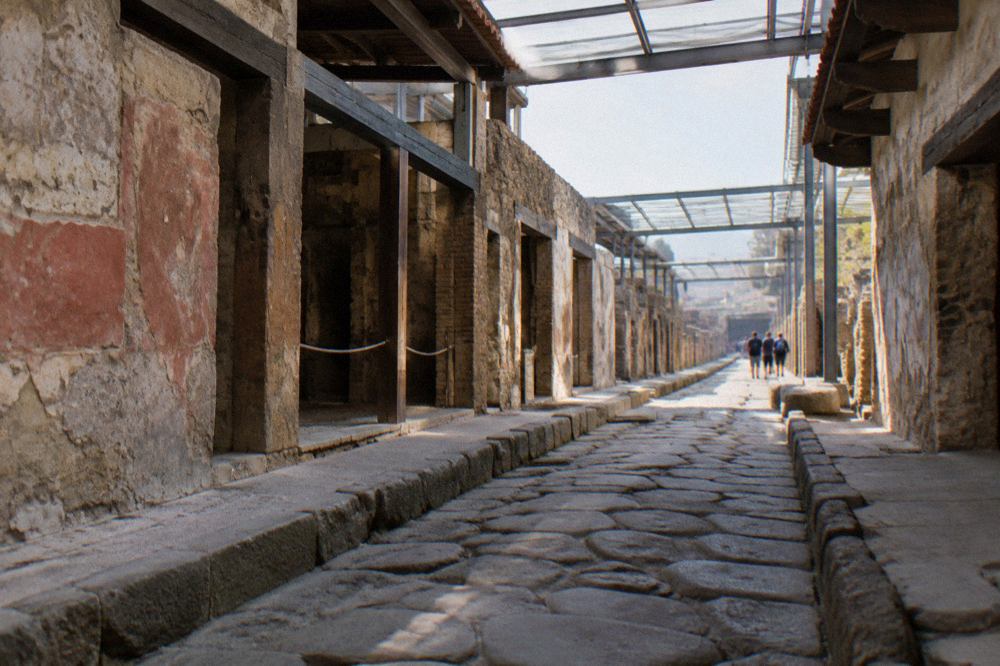
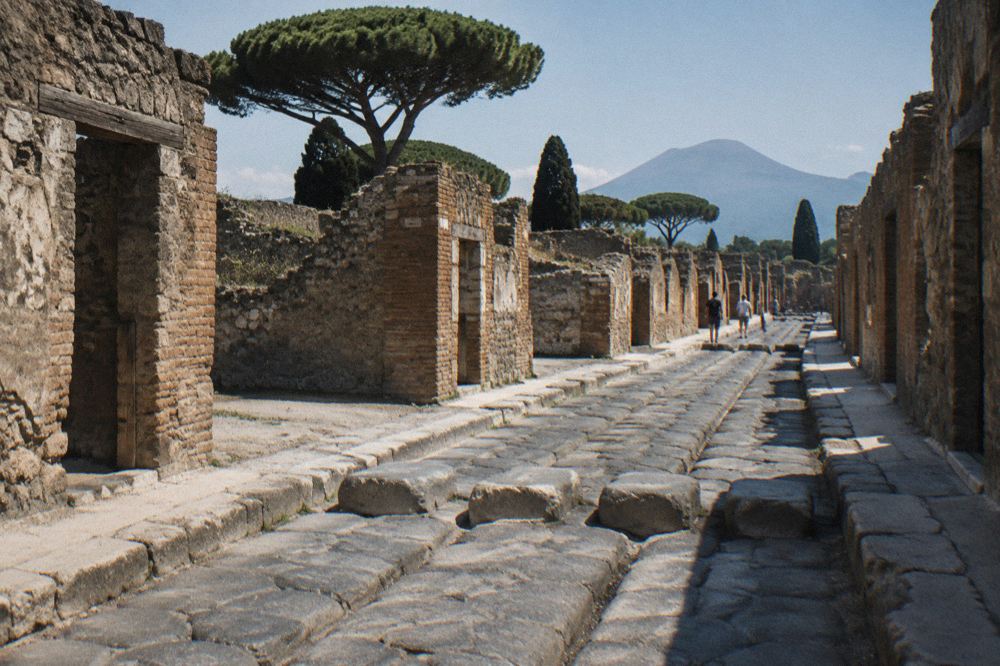
The ancient Roman town of Herculaneum, buried by the same eruption of Mount Vesuvius in AD 79 that destroyed Pompeii, is still called Herculaneum today. In Italian the name becomes Ercolano, which is also the name of the modern town that grew directly on top of the ancient city. When you visit the archaeological site, you are walking through streets that were sealed by volcanic mud nearly two thousand years ago, and the park itself is officially known as the Parco Archeologico di Ercolano, or Herculaneum Archaeological Park. The site sits in the modern municipality of Ercolano, about eight kilometres south-east of Naples, and it preserves a completely different kind of Roman town from its more famous neighbour. While Pompeii was a busy commercial centre, Herculaneum was a smaller, wealthier seaside resort, and the pyroclastic surges that hit it carbonised wood, preserved upper floors, and left organic materials such as food and textiles intact in ways that the ashfall at Pompeii did not.
What Is Herculaneum Called Today?
Herculaneum is still called Herculaneum in English, and Ercolano in Italian. The modern town of Ercolano covers most of the ancient city, but the excavated archaeological site is known officially as the Parco Archeologico di Ercolano, or Herculaneum Archaeological Park. Visitors will see the name Herculaneum on road signs, rail timetables, and ticket offices, while the Circumvesuviana railway station serving the site is called Ercolano Scavi. Both names refer to the same place, and the ancient name has never disappeared from maps or common usage.
Today the archaeological park is a UNESCO World Heritage Site as part of the listing that includes Pompeii and Torre Annunziata, and it attracts hundreds of thousands of visitors each year who come to see its exceptionally preserved houses, mosaics, and organic remains.
The dual naming can cause confusion for travellers. The Pompeii Travel Guide always refers to the ancient site as Herculaneum and the modern town as Ercolano, a convention followed by most English-language guidebooks and official park materials. When you buy a train ticket, look for Ercolano Scavi on the Circumvesuviana line, which is the station closest to the archaeological entrance. The site itself is about a ten-minute walk downhill from the station, and the ticket office is clearly signed. No one in the area will misunderstand if you say Herculaneum, and many locals use the English name interchangeably with Ercolano.
Why Is Herculaneum Not As Famous As Pompeii?
Herculaneum sits in the shadow of Pompeii largely because Pompeii was larger, buried more shallowly, and publicized far earlier, so it captured the world's imagination first and never let go. Herculaneum's smaller size, deeper burial, and later excavation have kept it quieter, yet that same obscurity leaves it less crowded and remarkably intact for the travelers who do make the trip.
| Feature | Herculaneum | Pompeii |
|---|---|---|
| Excavated area | About 4.5 hectares | 44 hectares |
| Depth of burial | Up to 25 metres | Up to 6 metres |
| Estimated ancient population | Around 4,000 | Around 11,000 |
| Type of destruction | Pyroclastic surges and mud | Ash and pumice fall |
| Organic preservation | Carbonised wood, textiles, food | Mostly voids and plaster casts |
| Modern town above | Ercolano (formerly Resina) | Pompei |
| 2026 full ticket price | EUR 16 | EUR 20 (Express) |
| Reduced ticket (EU 18-25) | EUR 2 | EUR 2 |
The table above uses official figures from the park websites and the UNESCO listing, and it shows why the two sites feel so different. Herculaneum is compact enough to explore in a couple of hours, while Pompeii demands a full day or more. The price difference reflects the scale, but both sites offer free entry on the first Sunday of each month, and Herculaneum adds free days on 25 April, 2 June, and 4 November. The smaller site also has a richer collection of organic finds, many of which are displayed in the onsite museum or at the Naples National Archaeological Museum.
Can I Do Herculaneum And Pompeii In One Day?
Yes, you can comfortably do Herculaneum and Pompeii in one day, especially if you are based in Naples or Sorrento. Start with two to three hours at Herculaneum in the morning, take the roughly 20 minute Circumvesuviana train from Ercolano Scavi to Pompei Scavi-Villa dei Misteri, then give Pompeii the afternoon, aiming to arrive well before the 15:30 winter or 17:30 summer last entry, and accept you will not see everything.
The practical challenge is not the distance but the sheer scale of Pompeii. With 44 hectares of excavated streets and buildings, even a brisk walk through the highlights takes three to four hours, and a thorough visit can easily stretch to six or seven. Herculaneum, by contrast, can be seen in about two hours, and its compact layout means you will not feel rushed. The train is the simplest link, with frequent services on the Circumvesuviana line, though the Campania Express service has been suspended since 1 October 2026, so only the regular trains are running. No advance booking is needed for the train, and tickets are sold at station counters and machines.
For visitors who want a guided experience that covers both sites in one day, a combined tour is the most efficient option. The Day Trip to Pompeii, Herculaneum and Vesuvius from Naples includes transport, tickets, and an archaeologist guide, and it also adds a visit to Mount Vesuvius, making it a full-day excursion that removes all the logistics. Many travellers find that a guided tour helps them understand the differences between the two sites and maximises their time, especially if they are only in the area for a short stay.
If you are planning your own day, the Pompeii and Herculaneum in one day itinerary walks you through a step-by-step schedule, including which entrances to use and where to eat. The most common mistake is trying to do too much at Pompeii after a late start, so aim to be at Herculaneum when it opens at 8:30. The site closes earlier than Pompeii in winter, so check the seasonal hours before you go.
Is 2 Hours Enough For Herculaneum?
Yes, two hours is enough to see Herculaneum's main highlights at a comfortable pace, since the excavated area is compact and you can walk from the entrance to the far end in about ten minutes. A well-planned route covers the House of the Deer, the House of Neptune and Amphitrite, the thermal baths, the gymnasium, and the boat sheds, though lingering over mosaics, the onsite museum, or a guided tour calls for two and a half to three hours.
The site is laid out on a grid of streets that is easy to navigate, and the signage is clear. The most famous house, the House of Neptune and Amphitrite, has a stunning mosaic of the sea god and his wife that is one of the finest in the Roman world, and it is only a few minutes from the entrance. The thermal baths, with their intact wooden benches and decorative stucco, are another must-see, and they sit near the centre of the excavated area.
A guided tour can make those two hours far richer. The Herculaneum Small Group Tour and Ticket With an Archaeologist is a two-hour small-group walk led by a specialist who explains the history, architecture, and daily life of the ancient town, and it includes the entry ticket so you do not need to queue separately. For independent visitors, the Herculaneum tickets guide explains the different ticket types and how to buy them in advance.
| Key Herculaneum facts | Details |
|---|---|
| Full ticket price (2026) | EUR 16 |
| Reduced ticket (EU 18-25) | EUR 2 |
| Summer hours (16 Mar to 14 Oct) | 8:30 to 19:30, last entry 18:00 |
| Winter hours (15 Oct to 15 Mar) | 8:30 to 17:00, last entry 15:30 |
| Free entry days | First Sunday of the month, 25 Apr, 2 Jun, 4 Nov |
| Closed sites | Villa dei Papiri (works), Ancient Theatre (until further notice) |
| Nearest train station | Ercolano Scavi (Circumvesuviana) |
The Villa dei Papiri and the Ancient Theatre are both closed, so do not plan your visit around them. The rest of the site is fully open, and the compact size means you will not miss anything important even with the closures.
Are The Skeletons In Herculaneum Real Or Fake?
The skeletons in Herculaneum are real, and they are the actual remains of people who died during the eruption of Mount Vesuvius in AD 79. Unlike Pompeii, where the bodies decomposed and left cavities that were later filled with plaster, the victims at Herculaneum were killed instantly by pyroclastic surges of superheated gas and ash that preserved their skeletons in place.
The reason Herculaneum has skeletons rather than plaster casts is the different way the eruption affected the two towns. Herculaneum was hit by a series of pyroclastic surges that reached temperatures of around 500 degrees Celsius, killing people instantly and then burying them in volcanic mud that hardened into rock. The skeletons were sealed in an airtight environment that preserved even the smallest bones, and the positions of the bodies show that many people were huddled together, some shielding children, when the surge hit.
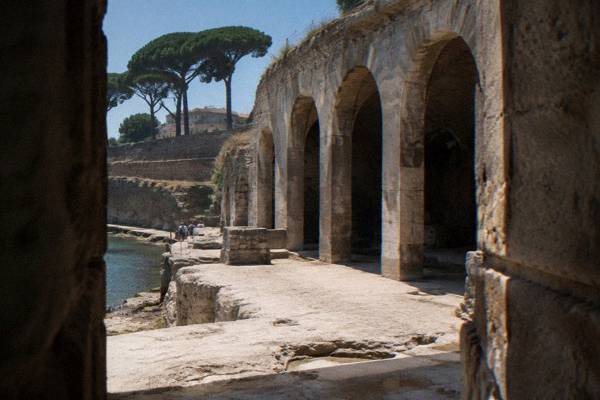
The boat sheds are now one of the most visited parts of the site, and the skeletons are displayed in situ, exactly as they were found. The sight is powerful and often emotional, and it has changed the way archaeologists understand the eruption. The discovery proved that many residents of Herculaneum had sought shelter near the sea, hoping to escape by boat, and that the surge reached them before they could leave. A small number of skeletons have also been found inside the town, but the boat sheds contain the vast majority. For a deeper look at the human remains, the Herculaneum boat sheds guide explains what you will see and the story behind the discovery.
Is Herculaneum Still Being Excavated?
Herculaneum is still being excavated, but the work is slow and limited because the modern town of Ercolano sits directly on top of most of the ancient city. Only about a quarter of Herculaneum has been uncovered, and the rest lies beneath streets, apartment blocks, and public buildings. The site is an active archaeological laboratory, and new discoveries are made regularly, even if they are less dramatic than the large-scale digs of the past.
The challenge of excavating Herculaneum is unique in archaeology. The ancient city is buried under up to 25 metres of volcanic rock that is as hard as concrete, and above that rock sits a living town of more than 50,000 people. Any new excavation would require demolishing modern buildings, which is politically and practically impossible in most areas.
Researchers are using X-ray phase-contrast imaging and machine learning to read the scrolls without opening them, and the first words from a still-rolled scroll were deciphered in 2023. The villa itself is closed to the public while the work continues, but the scrolls are gradually revealing lost works of Greek and Roman philosophy.
Common Questions About Herculaneum
What Is Herculaneum Called Today?
Herculaneum is called Herculaneum in English and Ercolano in Italian. The modern town of Ercolano sits above the ancient city, and the archaeological park is officially the Parco Archeologico di Ercolano. The Circumvesuviana train station is Ercolano Scavi, and both names are used interchangeably in the area.
Is Herculaneum Still Being Excavated?
Yes, but the work is limited because the modern town of Ercolano covers most of the ancient city. Only about a quarter of the site has been uncovered.
Are The Skeletons In Herculaneum Real Or Fake?
The skeletons are real. More than 300 people died in the boat sheds when pyroclastic surges hit Herculaneum in AD 79, and their bones were preserved in the volcanic mud. Unlike Pompeii, where plaster casts fill the voids left by decayed bodies, Herculaneum has actual skeletons displayed in situ.
Why Were No Bodies Found In Herculaneum?
Bodies were found, but they are skeletons rather than plaster casts.
Can I Do Herculaneum And Pompeii In One Day?
Yes, and it is a common day trip. The two sites are about 13 kilometres apart, linked by the Circumvesuviana train. Spend the morning at Herculaneum and the afternoon at Pompeii, starting early to make the most of the opening hours. A guided combo tour handles transport and tickets for a seamless experience.
The ancient shoreline was found by chance during drainage works, and it yielded the largest group of Roman skeletons ever found in one place. Similar surprises are possible, but the reality is that most of the site will remain buried for the foreseeable future. The focus has shifted from large-scale excavation to conservation and the use of non-invasive technologies such as ground-penetrating radar to map what lies beneath the modern town.