How Much Of Pompeii Still Lies Buried Today?
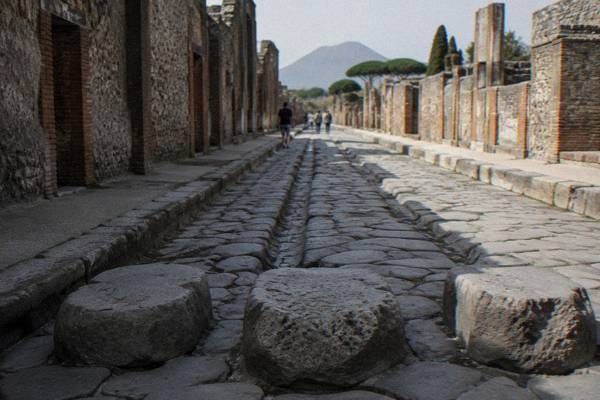
Roughly one third of the ancient city of Pompeii in Italy has been excavated. The remaining two thirds are still buried under volcanic debris.
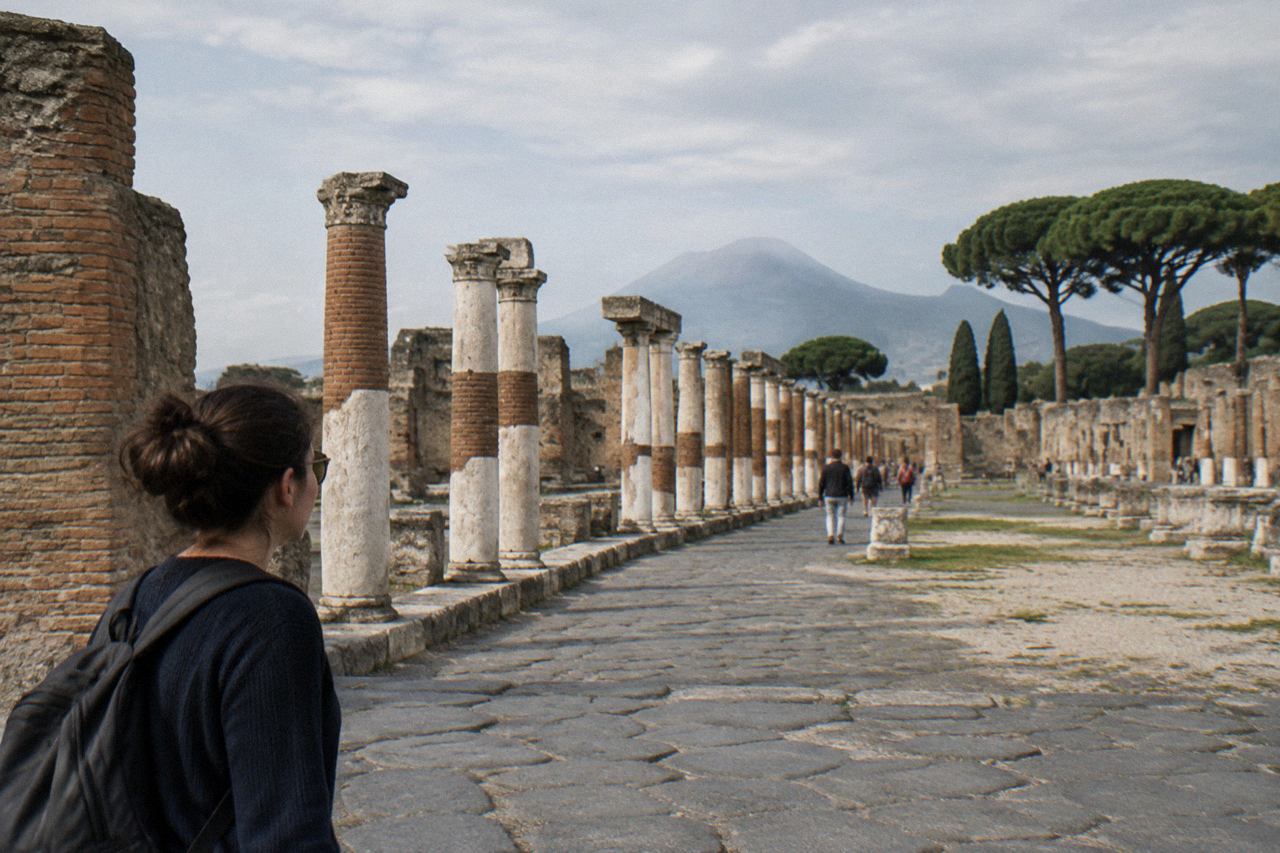
The ancient city of Pompeii, in Campania, southern Italy, about 24 km by road from Naples, is only partly out of the ground. The figure that answers the question precisely comes from UNESCO's listing for the World Heritage property: an excavated area of 44 hectares inside an inscribed property of 98 hectares, with a further buffer zone of 1,788.79 hectares around it. On those numbers, less than half of the protected ancient ground has ever been cleared, and the remainder still sits under the ash and pumice that fell in AD 79.
How Much Of Pompeii Still Lies Buried Today?
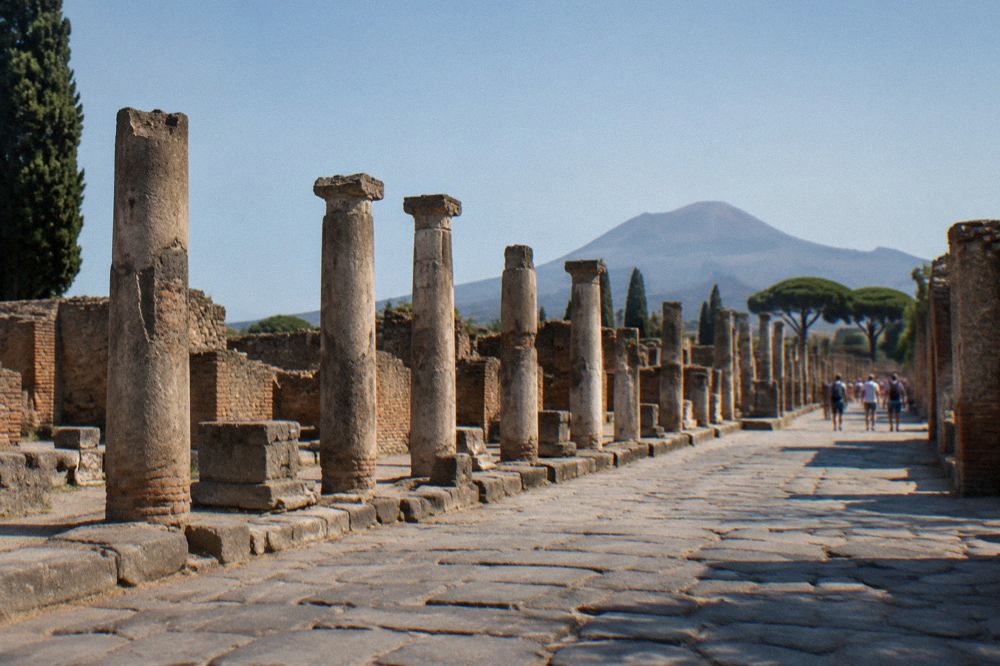
Only part of ancient Pompeii is open to visitors today, while the rest of the city still lies sealed beneath the ground. The streets and buildings you can walk represent just a portion of the site; a substantial share of the buried city remains unexcavated, hidden under the volcanic material that covered it in antiquity, preserved and waiting for future excavation.
The 44-hectare figure is the one published on the UNESCO World Heritage List entry for property 829, which covers Pompeii together with Herculaneum and the villa sites at Torre Annunziata. The listing confirms the site was inscribed under criteria (iii), (iv) and (v). The larger figure of 98 hectares describes the whole inscribed property, not just the streets that are open to visitors, and the buffer zone of 1,788.79 hectares protects the surrounding landscape from development.
What can be said with confidence is the relationship between the two verified numbers: 44 hectares excavated within a 98-hectare protected property, leaving a great deal of ground untouched.
The unexcavated parts are not empty holes waiting to be cleared. They are intact Roman buildings, gardens and street frontages sealed under metres of hardened ash and pumice, exactly as the eruption left them. In some parts of the city, in fact, the buried levels preserve upper storeys, wooden doorframes and roof timbers that the open ruins have lost to nearly two millennia of weather, looting and earlier crude digging.
What Has Been Excavated At Pompeii So Far?
Excavation began centuries ago and has never covered the whole city. The open archaeological park visitors walk today is the product of long, sporadic digging, with the boundaries of the modern park drawn around what has been cleared so far. The verified measure of that work is 44 hectares of excavated area, while the surrounding property line encloses 98 hectares, and the areas still sealed under ash are concentrated at the edges of the ancient city rather than in the visitor circuit at its centre.
The digging has never been a single continuous project. Early treasure hunting gave way to systematic clearance under the Bourbon kings, then to decades of restoration and recording, and in recent generations the park's priority has shifted from exposing more buildings to protecting what is already exposed. The Regio V excavations, the one substantial modern digging campaign, opened a strip at the northern edge of the city and produced a run of discoveries, from frescoed shrines to the remains of harnessed animals, before being backfilled in part and integrated into the park.
What that history means for the figures is simple: the 44 excavated hectares are where nearly all the famous houses, baths and theatres sit. The unexcavated ground holds the rest of the ancient street grid, blocks of ordinary housing, workshops and gardens that no one has looked at since the eruption.
| Measure | Figure | Source basis |
|---|---|---|
| Excavated area of Pompeii | 44 ha | UNESCO World Heritage property 829 listing |
| Inscribed property (Pompeii, Herculaneum, Torre Annunziata) | 98 ha | UNESCO World Heritage property 829 listing |
| Buffer zone around the property | 1,788.79 ha | UNESCO World Heritage property 829 listing |
| Daily visitor cap in force since 15 Nov 2024 | 20,000 | Park release on nominative tickets |
The visitor numbers explain part of why the pace of digging has slowed. The park counted 4,069,377 visitors to the Pompeii site in 2024 and 4,000,090 in 2025, on top of 3,985,424 in 2023. Every additional hectare opened to the public adds conservation burden to a site already carrying four million pairs of feet a year.
Why Do Two Thirds Of Pompeii Stay Underground?
The buried parts of Pompeii stay buried mainly because excavation destroys what it uncovers. Digging removes the volcanic deposit that has protected wood, frescoes, plaster and organic material for nearly two thousand years, and exposes fragile ruins to rain, sun, pollution and tourists. The park's current policy, stated repeatedly by its own archaeologists, is to prioritise conservation, digital survey and stabilisation of the open city over opening new ground, and to dig only where a project has a full research plan and budget behind it.
There are hard practical reasons too. The deep ash layers at the edges of the city sit above the modern water table, and cleared areas there drain badly: several of the grandest suburban villas outside the walls flood repeatedly and need constant pumping. Opening a new block means committing to roofs, walkways, drainage and guards for the rest of its life, a cost that runs far beyond the digging itself. Leaving a building sealed under ash keeps it stable at almost no cost, which is why archaeologists describe the buried city as being in safer conditions than the exposed one.
The park's visitor figures bear out the pressure. Concentrated summer visiting puts wear exactly where the open ruins are most fragile, and it strengthens the argument for spending money on protecting the existing 44 hectares rather than adding more.
What Is Still Under The Ash At Pompeii?
What remains sealed is ordinary urban life rather than palaces: blocks of mid-range housing, shops, bakeries, taverns, gardens and alleyways in the parts of the city outside the cleared circuit, together with whatever organic material, furniture, food and timber survived inside them. Because modern excavation did not reach these areas, they may hold wall paintings, mosaics and everyday objects in their original AD 79 positions, which is precisely the evidence that gets destroyed the moment a spade goes in without a full research plan.
The pattern of past finds shows what the sealed ground tends to give up when it is dug carefully. The Regio V campaign at the northern edge produced frescoed lararia, a thermopolium counter with vivid painted decoration, and the carbonised remains of a harnessed horse, finds that made headlines worldwide. Each came from ground that had been untouched since the eruption, and each had to be excavated, consolidated and published by specialists before the public could see it.
The Villa of the Mysteries and the other suburban villas outside the walls are a reminder of how much of the story sits at the city's edges. They are reachable through the Porta Ercolano / Street of the Tombs entrance, and under the 2026 ticket rules an Express holder can add that route for EUR 8, paid by card at that entrance. From 1 January 2027 the single EUR 25 ticket covers every park site for 30 days, one entry per site, which makes combining the city with the villas simpler for future visitors.
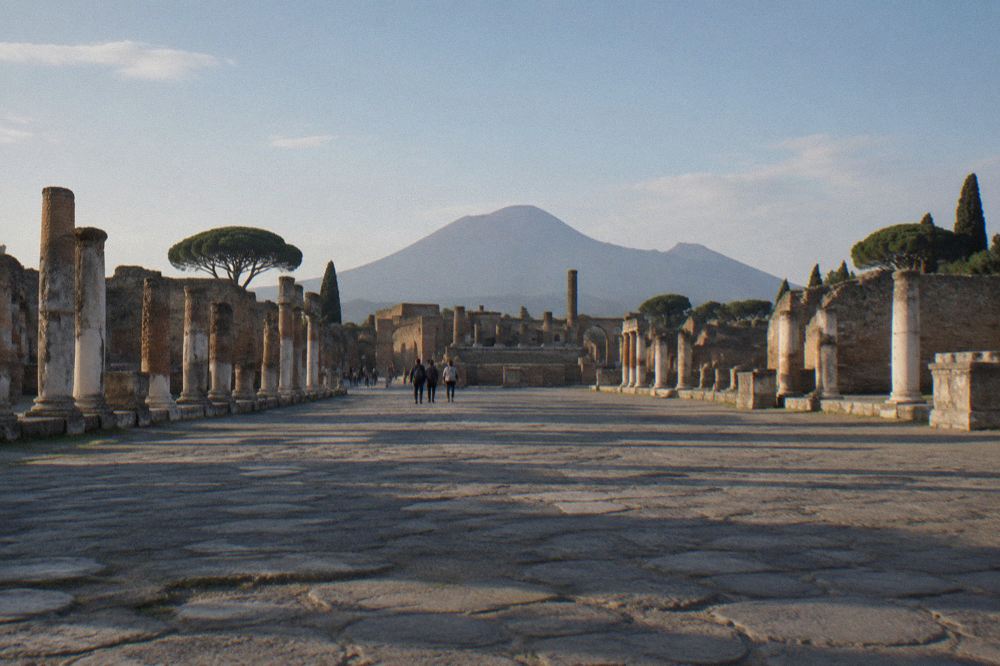
For anyone wondering what the buried ground means in practical terms, the answer is: nothing changes for the visitor. The open city is vast by the standards of any single-day visit, and questions such as can you tour Pompeii on your own and how difficult is it to walk in Pompeii matter far more to a day's planning than the excavation map does. If you are weighing the site against its smaller neighbour, start with is Herculaneum still being excavated, which covers the digging question at the second site.
The related product for this page is the entry ticket with audio guide, an independent-visitor option described in the Pompeii ticket options guide. It suits travellers who want to walk the open ruins at their own pace with recorded commentary rather than a group; its price and rating appear on the operator's live listing, alongside a Check availability link for live dates.
What The Buried City Means For How You Visit Pompeii
For a visitor, the unexcavated share of Pompeii changes nothing about a day on site, because the 44 open hectares already hold more than a comfortable visit can absorb, and the park's route planning, time slots and daily cap all apply to the excavated circuit only. The buried ground matters in one indirect way: it is the reason the park restricts visitor numbers, bag sizes and entry times, since the exposed ruins are irreplaceable and under heavy seasonal pressure.
The daily cap of 20,000 visitors, in force since 15 November 2024, is split across two time bands under the current schedule: a maximum of 15,000 in the 9:00 to 13:00 band and 5,000 from 13:00 to 17:30. Tickets are nominative, ID can be checked at the gate, and bags are limited to 30x30x15 cm, with larger items going to left luggage. Those rules protect a resource that cannot be renewed: whatever the ash still covers may one day be studied, but what is open now has to survive four million visitors a year.
Seasonal timing also matters more than the excavation map. Summer months carry the heaviest footfall, and May 2024 alone brought 516,923 visitors to the site. The winter schedule, from 15 October to 15 March, runs 9:00 to 17:00 with last entrance at 15:30, while the summer schedule runs to 19:00 with last entrance at 17:30. The site itself has no weekly closing day, and it closes only on 25 December and 1 January unless the park communicates otherwise.
| Year | Pompeii site visitors | All park sites combined |
|---|---|---|
| 2022 | 2,972,159 | n/a |
| 2023 | 3,985,424 | 4,079,235 |
| 2024 | 4,069,377 | 4,177,753 |
| 2025 | 4,000,090 | 4,118,926 |
Planning a visit around those numbers is easier with a sense of the bigger picture: should you buy tickets to Pompeii in advance and can you just show up at Pompeii both cover the practical side of the cap and the time bands, and the homepage of this site, Pompeii Travel Guide, pulls the whole picture together.
Travellers coming from further afield often ask is Pompeii worth the day trip from Rome or can Pompeii be a day trip from Naples, and the buried share of the city is a good reason the answer tends to be yes: what is open is already more than a day can cover, so the unexcavated ground costs you nothing.
One question that follows naturally from the sealed ground is who the people under it were, and whether anyone alive today traces back to the town. The page on descendants of Pompeii still being alive takes that question directly, and what is Pompeii called today covers the modern town of Pompei that grew up beside the ruins.
Common Questions About The Buried Parts Of Pompeii
How much of Pompeii still lies buried today?
UNESCO lists 44 hectares of excavated area inside a 98-hectare inscribed property for Pompeii, Herculaneum and Torre Annunziata together, so a large share of the ancient city remains under volcanic deposits.
Will the rest of Pompeii ever be excavated?
Not on any large scale under current policy. The park prioritises conservation of the open city, digital survey and targeted research digs over mass clearance, because excavation exposes fragile material to weather and visitor wear that destroys it. Targeted projects, like the Regio V campaign, still happen when they carry a full research plan and conservation budget.
Why did archaeologists stop digging at Pompeii?
Because digging destroys as it reveals. Once ash is removed, wood, plaster, frescoes and organic remains begin to decay quickly, and every cleared building needs permanent roofs, drainage, monitoring and staffing. With four million visitors a year on the open ruins, the park spends its budget protecting the 44 hectares already exposed rather than adding more.
Are there still bodies buried in the unexcavated parts of Pompeii?
The site holds no verified count of the dead, and this site publishes no death toll, since no official figure exists. What is certain is that the unexcavated ground has never been searched, so any remains, impressions or organic traces inside it are still sealed where the eruption left them.
Does the buried part of Pompeii affect visiting the site?
No. All visitor routes, ticketing, time slots and the 20,000 daily cap apply to the excavated circuit, which is larger than a single visit can cover in comfort. The unexcavated ground sits at the edges of the city and is not accessible to visitors.
The sealed share of Pompeii is best understood as the city's archive: the excavated 44 hectares give visitors the streets and houses, while the ground beyond holds the evidence that future archaeologists, with better tools than today's, will one day read. Until then, the open city is the whole of Pompeii that any traveller can see, and it is more than enough.