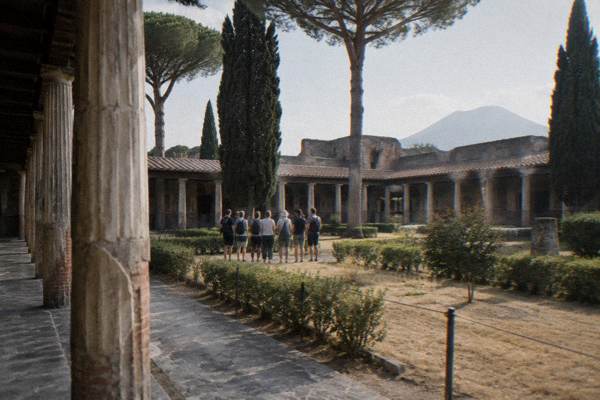
Does Anyone Live In Pompeii Now?
No one lives in the ancient city of Pompeii, but the modern town of Pompei is home to thousands of residents. Learn the difference and what you'll find in each.
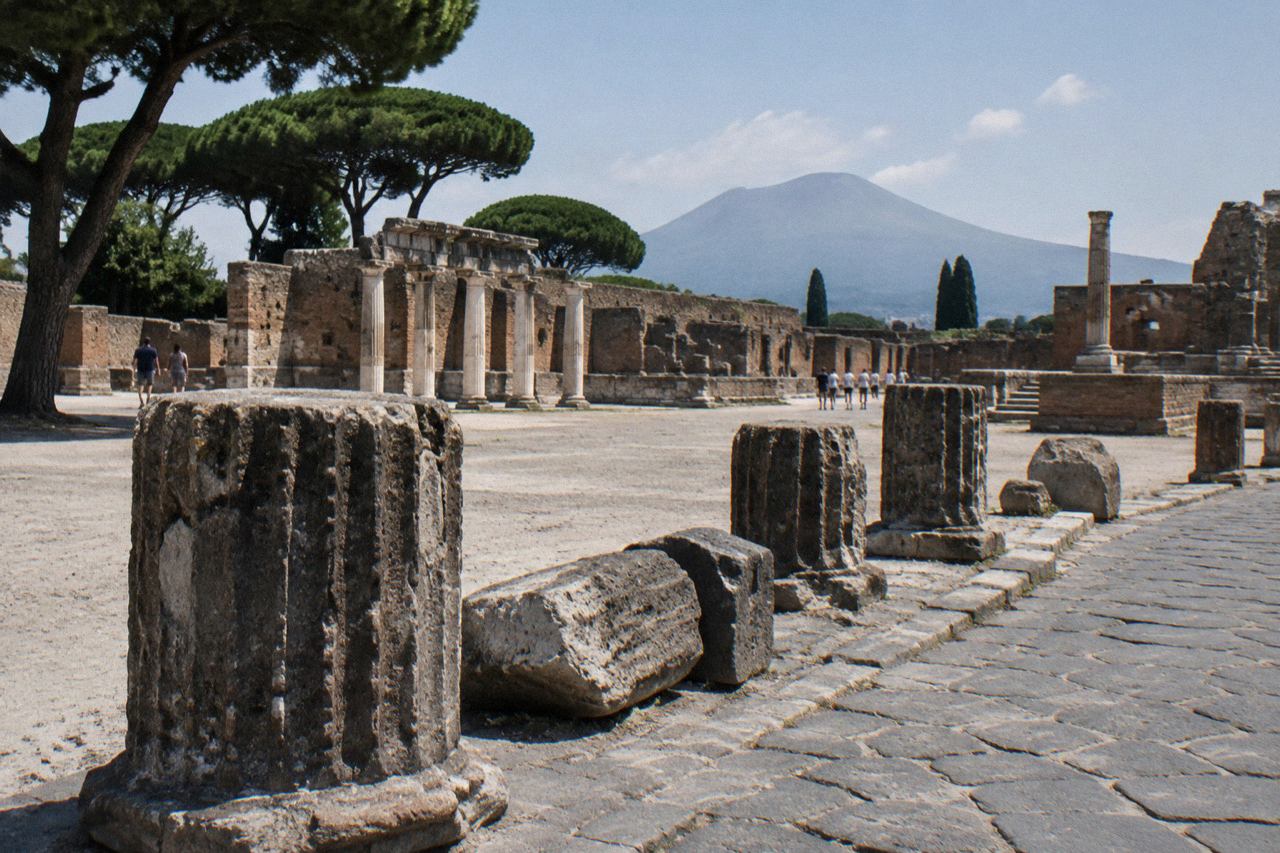
No one lives in the ancient city of Pompeii. The archaeological park is an uninhabited open-air museum, a UNESCO World Heritage site that welcomes over four million visitors a year. The modern town of Pompei, spelled with a single “i”, sits immediately to the east of the excavations and is home to thousands of residents. The confusion between the two is common, but they are entirely separate places: one is a frozen Roman city buried by the eruption of Mount Vesuvius in AD 79, the other is a living Italian community with shops, restaurants, hotels and one of the most important Catholic sanctuaries in Campania.
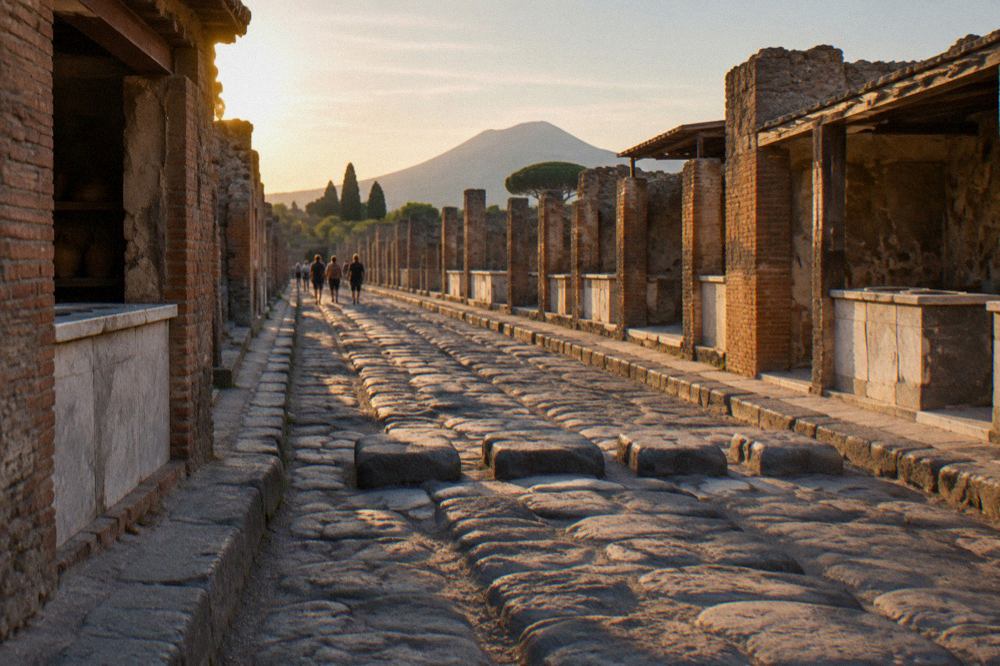
Does Anyone Live In Pompeii Now?
No one lives in the ancient city of Pompeii. It is an uninhabited archaeological site, a UNESCO World Heritage property that receives over four million visitors a year. The modern town of Pompei, spelled with a single “i”, lies immediately to the east of the excavations and is home to thousands of residents. The two are distinct: the ancient city is a museum, while the modern town is a living community with shops, restaurants and a major Catholic sanctuary.
The ancient city of Pompeii was buried by the eruption of Vesuvius in AD 79 and remained lost for centuries. No one has ever lived inside the ancient walls in modern times. The Italian state owns and manages the site through the Parco Archeologico di Pompei, and it is open to the public daily, closing every evening. Overnight stays inside the ruins are not permitted. The remains of the ancient inhabitants are preserved as body casts; you can learn more about where the bodies are now.
The modern town of Pompei, on the other hand, grew up around the Sanctuary of the Blessed Virgin of the Rosary, a major pilgrimage destination. Today it is a bustling municipality of the Metropolitan City of Naples, with schools, businesses, a hospital and a railway station that serves the Circumvesuviana line. Many visitors stay overnight in the modern town, and its hotels and restaurants cater almost exclusively to tourists heading to the archaeological park.
What Is The Modern Town Of Pompei?
The modern town of Pompei is a separate municipality from the ancient city, centred on the Sanctuary of the Blessed Virgin of the Rosary. It lies directly east of the archaeological park and is home to thousands of residents, with a busy commercial centre, a railway station on the Circumvesuviana line and a range of hotels, restaurants and shops that serve visitors to the ruins. The town is not a tourist attraction in its own right, but it is a convenient base for exploring the park.
The town’s focal point is the Sanctuary of the Blessed Virgin of the Rosary, a major Catholic pilgrimage site that draws visitors from across Italy. The sanctuary’s grand basilica dominates the main square, and the surrounding streets are filled with shops, cafes and restaurants catering to both pilgrims and tourists.
Modern Pompei has a wide selection of accommodation, from budget bed-and-breakfasts to four-star hotels, and many restaurants serving Neapolitan pizza and local Campanian dishes. The town also has a mainline Trenitalia railway station, separate from the Circumvesuviana station that serves the archaeological park, giving it good connections to Naples, Salerno and beyond.
| Feature | Ancient Pompeii | Modern Pompei |
|---|---|---|
| Status | Archaeological park | Living municipality |
| Population | 0 (uninhabited) | Thousands of residents |
| Main attraction | Roman ruins, frescoes, body casts | Sanctuary of the Blessed Virgin of the Rosary |
| Overnight stays | Not permitted | Hotels, B&Bs, holiday rentals |
| Access | Ticketed entry, three main entrances | Open town, no entry fee |
| Railway station | Pompei Scavi-Villa dei Misteri (Circumvesuviana) | Pompei (mainline Trenitalia) |
Can You Stay Overnight Inside The Archaeological Park?
No, you cannot stay overnight inside the ancient city of Pompeii. The archaeological park closes to visitors every evening, and there are no hotels, guesthouses or camping facilities within the excavated area. The park’s regulations prohibit anyone from remaining inside after closing time. All overnight accommodation is in the modern town of Pompei, nearby towns like Torre Annunziata or Castellammare di Stabiae, or in Naples and Sorrento.
The park’s opening hours vary by season. From 16 March to 14 October, the site is open from 9:00 to 19:00 with last entry at 17:30. From 15 October to 15 March, hours are 9:00 to 17:00 with last entry at 15:30. There is no camping or sleeping inside the ruins, and security patrols make sure the site is empty after closing.
For visitors who want to stay as close as possible to the ruins, the modern town of Pompei offers dozens of hotels within walking distance of the Porta Marina and Piazza Esedra entrances. Many are family-run and provide a more relaxed base than staying in Naples. The Pompeii Travel Guide editors recommend booking accommodation well in advance during peak months, especially May, June, September and October, when the town fills up quickly.
Why Do People Confuse Pompeii And Pompei?
People confuse Pompeii and Pompei because the two names are almost identical, the modern town sits directly next to the ancient city, and the railway station that serves the ruins is called Pompei Scavi-Villa dei Misteri. The spelling difference is tiny: the ancient city and the archaeological park are spelled “Pompeii” with a double “i”, while the modern town is “Pompei” with a single “i”. This orthographic quirk leads many visitors to assume they are the same place.
The confusion is reinforced by the fact that the main entrance to the archaeological park, Porta Marina, is on the edge of the modern town. The sanctuary, the shops and the restaurants are all part of the modern town, but they sit so close to the ruins that it feels like a single destination.
The spelling difference is not just a modern convention. In Latin, the city was called “Pompeii” (a plural noun), and that form has been retained in English and Italian for the ancient site. Both names are used on road signs, train timetables and maps, which adds to the mix-up. When you see “Pompei” on a sign, it almost always refers to the modern town, while “Pompeii” refers to the archaeological park.
How Do You Get To Pompeii And Pompei?
The archaeological park is served by the Circumvesuviana station Pompei Scavi-Villa dei Misteri, a short walk from the Porta Marina entrance. The modern town of Pompei has its own mainline Trenitalia station, simply called Pompei, which is further from the ruins but connects to Naples, Salerno and other cities.
The Circumvesuviana is a local railway that runs between Naples and Sorrento, stopping at Pompei Scavi-Villa dei Misteri directly beside the archaeological park. The journey from Naples takes about 29 to 35 minutes, and from Sorrento about 34 to 40 minutes. The station is a few minutes’ walk from the Porta Marina entrance, making it the easiest option for a day trip. The Campania Express, a faster tourist service on the same line, has been suspended since 1 October 2026.
The mainline Trenitalia station, Pompei, is located in the modern town, about a 15-minute walk or a short taxi ride from the ruins. It is served by regional trains on the Naples-Salerno line, offering connections to cities further afield. For a detailed comparison of the two stations, see our guide on which train station is best for Pompeii.
| Station | Operator | Serves | Distance to ruins |
|---|---|---|---|
| Pompei Scavi-Villa dei Misteri | Circumvesuviana (EAV) | Archaeological park, day-trippers from Naples and Sorrento | A few minutes’ walk to Porta Marina |
| Pompei | Trenitalia | Modern town, travellers from Salerno and beyond | About 15 minutes’ walk or a short taxi ride |
Is It Safe To Visit Pompeii?
Yes, it is safe to visit the ancient city of Pompeii and the modern town of Pompei. The archaeological park has security personnel, clear visitor routes and first-aid facilities. The modern town is a quiet, family-oriented community with low crime rates compared to larger Italian cities. Standard travel precautions apply, such as keeping an eye on valuables in crowded areas and staying hydrated during the summer heat.
The park itself is well-maintained, with paved paths and signage. The only real safety concerns are the uneven Roman paving stones, which can be slippery when wet, and the intense summer sun, as there is limited shade inside the ruins. Visitors with mobility difficulties can use the “Pompeii for All” accessible route, which starts at the Piazza Anfiteatro entrance and follows a smoother path through part of the site.
The modern town of Pompei is generally safe to walk around at any time of day. The area around the sanctuary and the main streets are well-lit and busy with locals and tourists. Pickpocketing can occur on crowded Circumvesuviana trains and at the station, so keep your belongings close. For more detailed safety advice, see our guide on visiting Pompeii safely. For those who prefer to explore independently, our guide on touring Pompeii on your own covers what to expect.
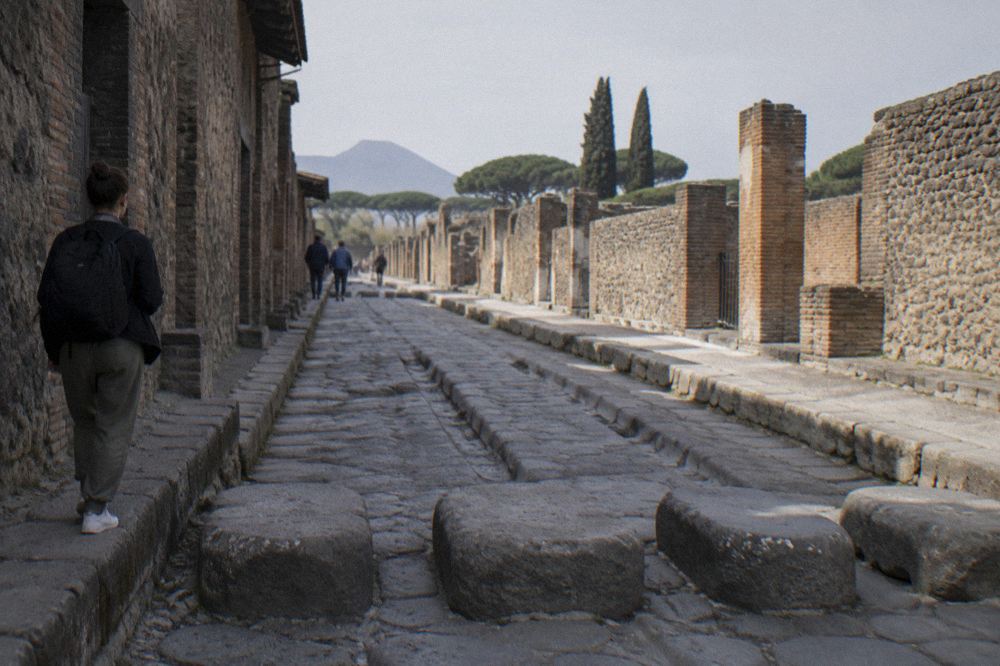
A guided tour is the best way to understand the ancient city and avoid the confusion between the two Pompeiis. For visitors who want to combine the ruins with a trip up Mount Vesuvius, the Exclusive Pompeii and Vesuvius Tour with Lunch from Naples is a full-day option that includes a guided visit, lunch and transport.
Common Questions About Pompeii
Does anyone live in Pompeii now?
No one lives in the ancient city of Pompeii. The archaeological park is uninhabited. The modern town of Pompei, spelled with a single “i”, lies next to the ruins and is home to thousands of residents.
Can you stay overnight inside the ancient city?
No, overnight stays inside the archaeological park are not permitted. The site closes every evening, and there are no hotels or camping facilities within the excavated area. All accommodation is in the modern town or nearby cities.
What is the difference between Pompeii and Pompei?
Pompeii (with a double “i”) is the ancient Roman city and the archaeological park. Pompei (with a single “i”) is the modern Italian town that grew up next to the ruins. They are two distinct places.
How many people live in the modern town of Pompei?
The modern town of Pompei is home to thousands of residents. It is a full municipality with schools, businesses, a hospital and a railway station, and it serves as a base for visitors to the archaeological park.
Is the modern town of Pompei worth visiting?
The modern town is not a tourist attraction in itself, but it is a convenient place to stay and eat. Its main landmark is the Sanctuary of the Blessed Virgin of the Rosary, a major pilgrimage site.
Do I need a ticket to enter the modern town of Pompei?
No, the modern town is an ordinary Italian municipality with no entry fee. You only need a ticket to enter the archaeological park of Pompeii. The town’s streets, shops and restaurants are open to everyone.
Whether you are visiting the ancient city for a few hours or staying overnight in the modern town, knowing the difference between Pompeii and Pompei will save you from a common travel mix-up. The ruins are a once-in-a-lifetime experience, and the town provides a welcoming base just steps from the entrance.