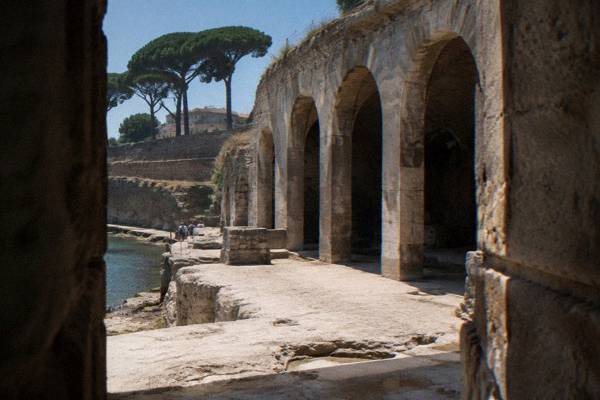
Is Herculaneum Still Being Excavated?
Yes, in part. Herculaneum in Italy is still an active archaeological site: conservation works are ongoing, two areas are closed, and part of the ancient town still lies beneath modern Ercolano.
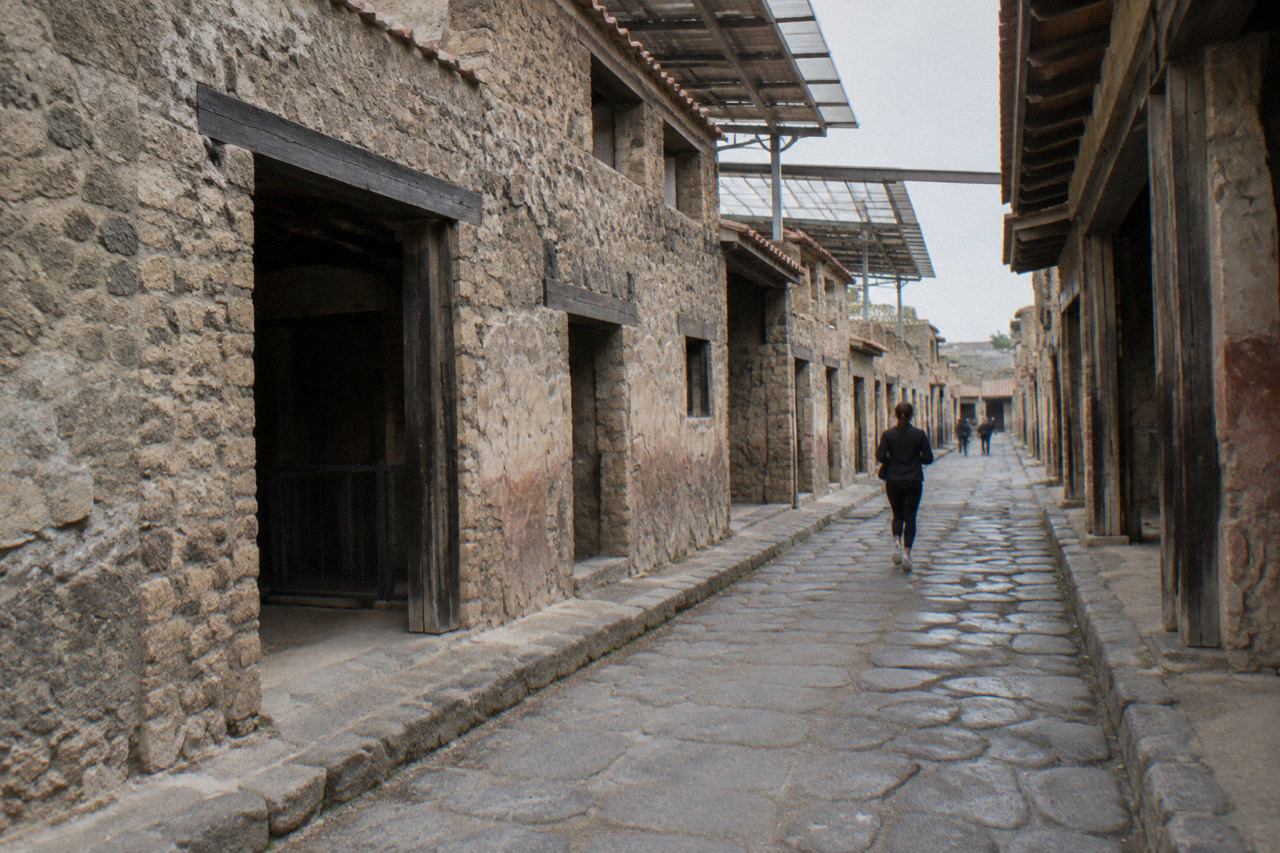
Herculaneum, the ancient Roman town buried by the eruption of Mount Vesuvius in AD 79, lies at Ercolano on the Bay of Naples in Campania, southern Italy, roughly between Naples and Pompeii. Unlike its larger neighbour, Herculaneum sits inside a living modern town, with apartment buildings and streets standing above and around the excavated remains. That single fact drives the answer to the question this page exists for: yes, Herculaneum is still being excavated in a limited and carefully managed sense, though the dig is no longer the sweeping clearance that defined the site's early history.
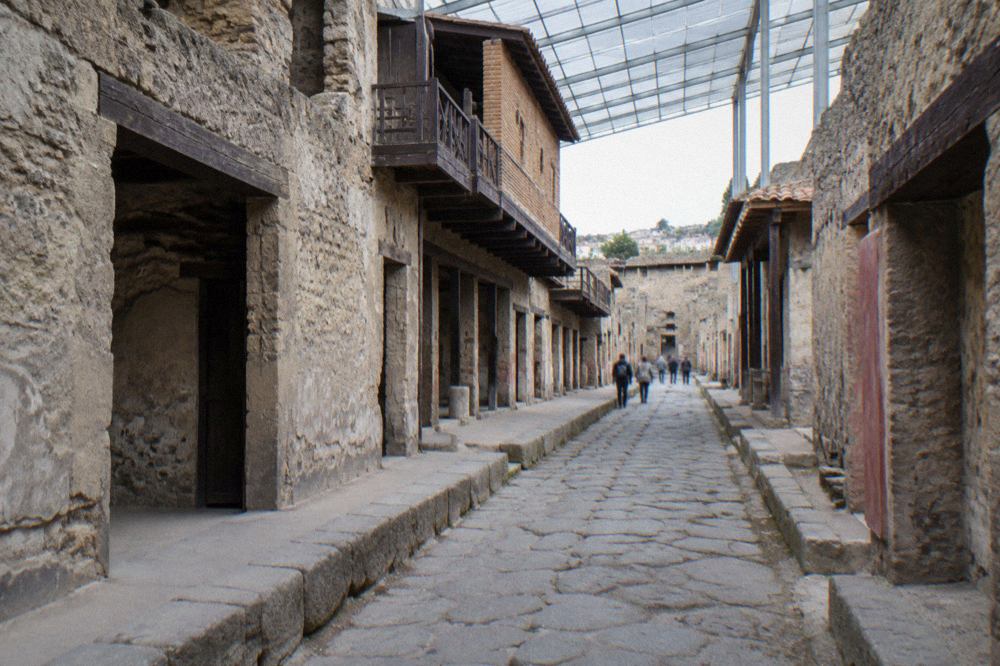
Is Herculaneum Still Being Excavated?
Yes, in a limited sense. Herculaneum is an active archaeological park, not a finished museum piece: conservation and stabilisation works are underway at the site right now, with the Villa dei Papiri closed for works and the Ancient Theatre closed until further notice. Full-scale new excavation is constrained because the modern town of Ercolano stands directly above the unexcavated part of the ancient town, so the work that continues is concentrated on the areas already opened.
The clearest evidence that Herculaneum remains a working site comes from the official ticketing page of the park itself, which lists the Villa dei Papiri as closed for works and the Ancient Theatre as closed until further notice. Closures of this kind are the visible face of ongoing activity: trenches, structural reinforcement, protective roofing and research campaigns all take space away from visitors while they run.
What has changed is the scale and the aim. The great clearance campaigns of the past aimed to uncover as much ancient fabric as possible. Today the priority at Herculaneum is conservation of what is already open, protecting mosaics, wall paintings and timber that were damaged by earlier exposure. Digging, where it happens, is targeted and research-driven rather than continuous across the whole buried area.
Why Can'T The Whole Of Herculaneum Be Dug Out?
Because the modern town of Ercolano is built on top of it. The unexcavated portion of ancient Herculaneum lies beneath the streets, homes and businesses of a living Italian town, so removing that material would mean demolishing the modern settlement. Archaeology there is therefore selective and negotiated, not open-ended, and any new excavation has to justify itself against the cost, the conservation burden and the buildings standing above.
This is the same structural problem that limits digging at Pompeii, where 44 hectares have been excavated within a 98 hectare inscribed property, and where the park authorities have long argued that protecting the exposed ruins matters more than opening new ground. At Herculaneum the constraint is tighter still: the modern town presses almost directly on the ancient one, and the depth of the burial makes every intervention an engineering project as much as an archaeological one.
Practical decisions follow from this. Rather than chase buried districts that cannot be reached, the park concentrates resources on the buildings already visible, on their roofs, drainage and wall surfaces. A reader who wants the fuller story of the unexcavated share of the ancient city can read why Pompeii is not fully excavated, which covers the same logic at the larger site.
The question of what lies below is not purely academic for visitors. Guides point out the line where the excavated area stops and modern Ercolano begins, and the contrast between the silent Roman street below and the ordinary Italian town above is one of the most striking sights on the Bay of Naples. For background on the town that grew over the ruins, see the modern town of Ercolano area guide.
What Work Is Happening At Herculaneum Right Now?
Two named areas are closed because of works, according to the park's own ticketing page read in October 2026: the Villa dei Papiri is closed for works and the Ancient Theatre is closed until further notice. Beyond those closures, the park runs ongoing conservation, maintenance and research activity across the open site, and the visitable circuit is adjusted as that work moves. No reopening date for either closed area has been published.
| Area at Herculaneum | Status in October 2026 | Reason given by the park |
|---|---|---|
| Villa dei Papiri | Closed | Closed for works |
| Ancient Theatre | Closed | Closed until further notice |
| Main excavated town (terraces, houses, boat sheds) | Open | Included in the standard circuit |
The Villa dei Papiri deserves a note, because it is the most famous buried building at Herculaneum and the one travellers ask about. It was never fully brought back into view, and the question of excavating it completely has been debated for decades. Its closure for works is the park's current statement on the building, and no reopening date appears on the official page, so a visitor who hopes to see it should plan around the closure rather than against it. The site's own Villa of the Papyri attraction page explains what the villa is and why it matters.
Closures of this kind are announced on the park's official channels, and the practical advice is simple: check the ticketing page shortly before travelling. A closure announced in one season may still be in force in the next.
For travellers who want interpretation rather than a solo walk, a Herculaneum small group tour with an archaeologist, entry ticket included, covers the open circuit with a specialist guide, and Check availability on the live listing before committing to a date.
Can You Visit Herculaneum While The Work Continues?
Yes. The main excavated town at Herculaneum is open daily, and the standard visitor circuit covers the decumanus, the waterfront terraces, the boat sheds and the houses that made the site famous. Only the two named areas are closed. Tickets are EUR 16 full price, EUR 2 reduced for ages 18 to 25, and entry is free on the first Sunday of each month and on 25 April, 2 June and 4 November.
| Herculaneum ticket | 2026 price | Who it applies to |
|---|---|---|
| Full | EUR 16 | Standard adult entry |
| Reduced | EUR 2 | Visitors aged 18 to 25 |
| Free | EUR 0 | First Sunday of the month, 25 April, 2 June, 4 November |
Opening hours follow the same seasonal pattern as the other Vesuvian sites in the park network. From 16 March to 14 October the site opens at 8:30 and closes at 19:30, with last entry at 18:00. From 15 October to 15 March it opens at 8:30 and closes at 17:00, with last entry at 15:30. The site is closed on 1 January and 25 December.
| Period | Opening | Last entry | Closing |
|---|---|---|---|
| 16 March to 14 October | 8:30 | 18:00 | 19:30 |
| 15 October to 15 March | 8:30 | 15:30 | 17:00 |
Two hours is the length a first visit usually settles at, and there is a full discussion of that timing in is two hours enough for Herculaneum. Ticket options in more depth, including how entry is sold, are covered in the Herculaneum tickets guide.
Herculaneum Or Pompeii: Which Site Should You See?
Both are open and both reward a visit, but they answer different questions. Herculaneum is compact, better preserved in its organic materials and roofed structures, and sits in a deeper, more intimate hole beneath Ercolano. Pompeii is vastly larger, with 44 hectares excavated, and needs either a longer visit or a sharper plan. Work continues at both, and closures at one site are a reason to check the other's page, not to cancel the trip.
The classic comparison, with the practical trade-offs, is laid out in Pompeii versus Herculaneum, and the two sites can be combined in a single demanding day, as described in Herculaneum and Pompeii in one day. For travellers basing themselves in Naples or Sorrento, both sites sit on the same Vesuvian rail corridor, which makes the pairing realistic even without a car.
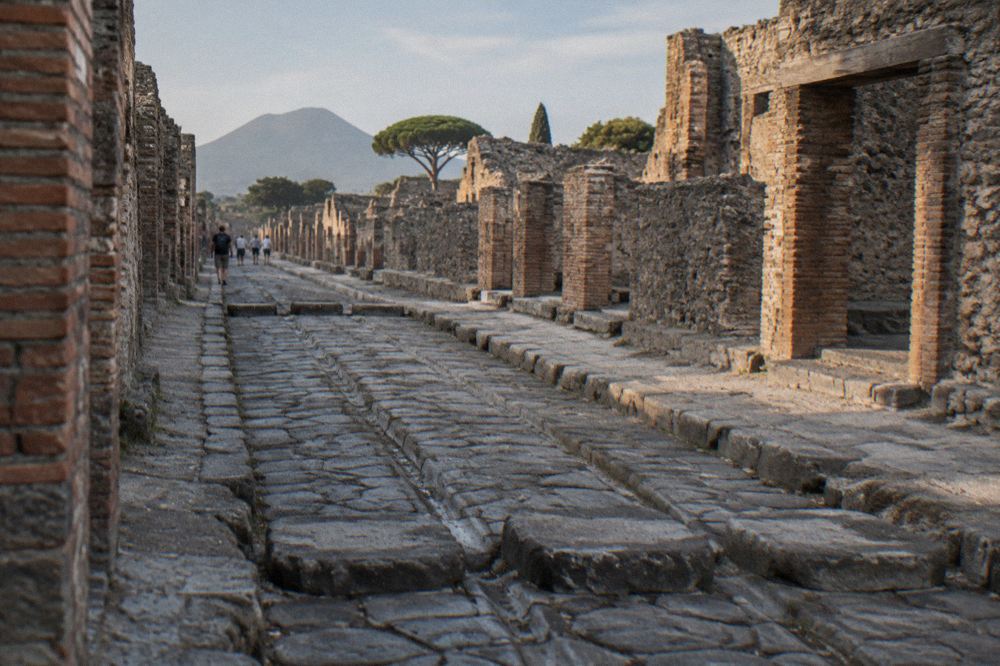
The difference in preservation is worth a sentence of its own. Herculaneum was buried deeper and by hotter material than Pompeii, which is why timber doors, roof beams and even food remains survived there in ways they rarely did at the larger site. The boat sheds, where skeletons were found sheltering from the eruption, are part of the open circuit and are covered in detail at the Herculaneum boat sheds page; the question of why no bodies were found in Herculaneum is answered separately, since the finds at the two sites differ sharply.
For a Pompeii-first plan, a small group Pompeii tour with an archaeologist mirrors the Herculaneum format at the larger site.
Readers comparing the two parks should also note that Pompeii has its own active works and closures, including the Praedia of Julia Felix, closed to the public since 7 September 2026 for maintenance. Neither site is frozen, and the honest answer across the whole Vesuvian archaeology network is that visitable circuits shift as work shifts. The full park overview lives on the Pompeii Travel Guide homepage.
Common Questions About Herculaneum Excavation
Is Herculaneum still being excavated?
Yes, in a limited sense: the park is an active archaeological and conservation site, with the Villa dei Papiri closed for works and the Ancient Theatre closed until further notice, while large-scale new digging is constrained by the modern town of Ercolano standing above the unexcavated part of the ancient city.
Why is Herculaneum not fully excavated?
Because the modern town of Ercolano is built directly over the buried portion of the ancient town. Excavating further would require demolishing modern buildings, so work concentrates on conserving the areas already open and on targeted research rather than continuous clearance.
Is the Villa of the Papyri open to visitors?
No. The Villa dei Papiri is closed for works, per the official Herculaneum ticketing page, and no reopening date has been published. Check the official page before travelling in case the status changes.
Is the Ancient Theatre at Herculaneum open?
No. The Ancient Theatre is closed until further notice, according to the park's official page. The main excavated town, the terraces and the boat sheds remain on the standard visitor circuit.
Can you visit Herculaneum while excavation and works continue?
Yes. The site is open daily except 1 January and 25 December, from 8:30 to 19:30 in summer (last entry 18:00) and 8:30 to 17:00 in winter (last entry 15:30), and only the two named areas are closed. Entry costs EUR 16, with a EUR 2 reduced rate for ages 18 to 25.
Is Herculaneum still being excavated more than Pompeii?
Neither site runs a continuous clearance dig today. Herculaneum's constraint is the modern town above it; Pompeii's is the conservation burden of 44 hectares already exposed. Both parks run works and research campaigns, and both adjust their visitor circuits as that work moves.
The short version for a planner: Herculaneum is open, working and worth the train ride from Naples or the stop on a wider Vesuvian itinerary, and the only reliable way to know what is visitable on a given date is the park's own page, read a day or two before the visit.