Torre Annunziata
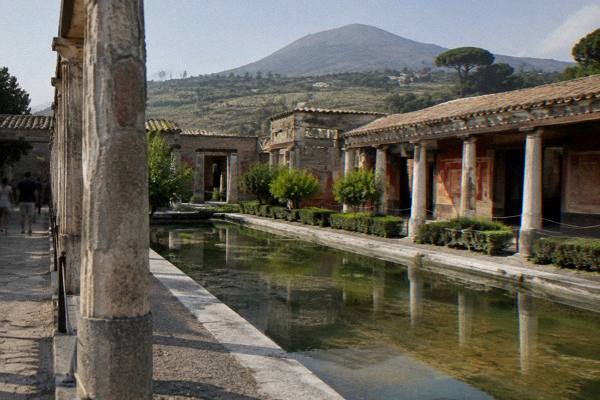
Torre Annunziata is a coastal town in Campania, southern Italy, on the Bay of Naples, and the home of Oplontis, the Villa Poppaea archaeological site buried by the same AD 79 eruption of Mount Vesuvius that destroyed Pompeii.
Short answer
Torre Annunziata is a town of about 90,000 people on the Bay of Naples. Travellers know it for Oplontis, the Villa Poppaea, a Roman villa buried by Vesuvius in AD 79 and part of the same UNESCO listing as Pompeii. A 2026 Oplontis ticket is EUR 8; from 1 January 2027 it stays EUR 8 individually.
Torre Annunziata is a coastal town in Campania, southern Italy, on the northern shore of the Bay of Naples, and it belongs on the map of any serious Vesuvian itinerary because it holds one of the region's buried Roman treasures. The town itself is industrial and working, with a harbour and a long seafront history, but the reason travellers come is Oplontis: the archaeological site of the Villa Poppaea, a vast Roman villa that Mount Vesuvius sealed under ash and pumice in the same AD 79 eruption that destroyed ancient Pompeii. Oplontis is not Pompeii and should not be sold as a substitute for it. It is smaller, quieter and, in the words of the UNESCO listing that binds the two sites together, one third of a single World Heritage property shared by Pompeii, Herculaneum and Torre Annunziata. This page explains what Torre Annunziata is, what a visit to the Villa Poppaea involves, what the tickets cost under the 2026 tariff and after the January 2027 change, and how the town fits into a wider trip built around the ancient city of Pompeii, the modern town of Pompei and the other Vesuvian sites.
Where Is Torre Annunziata On The Map Of Vesuvian Sites?
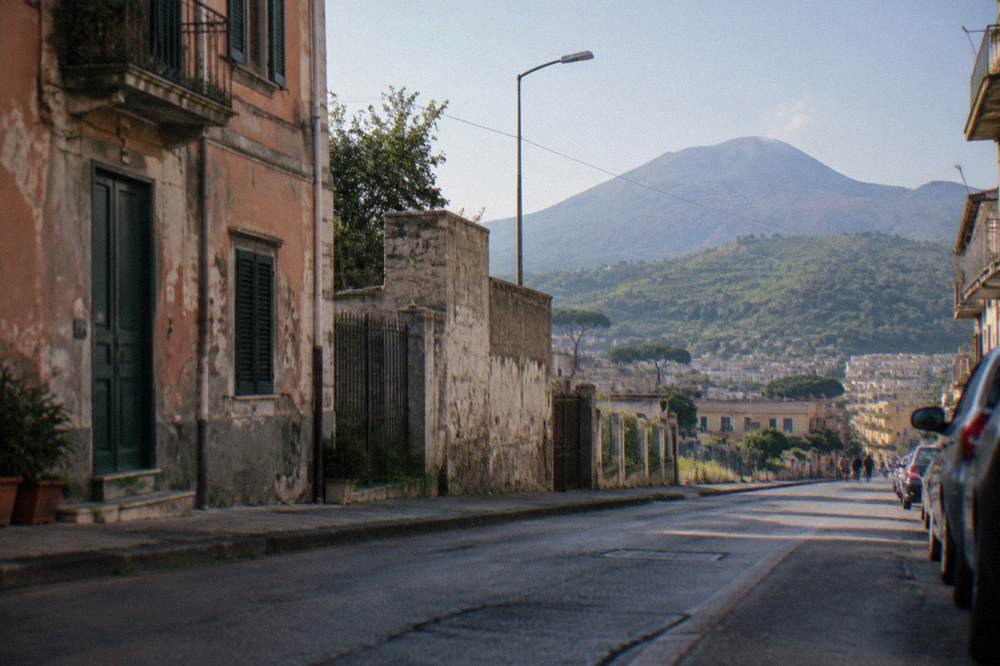
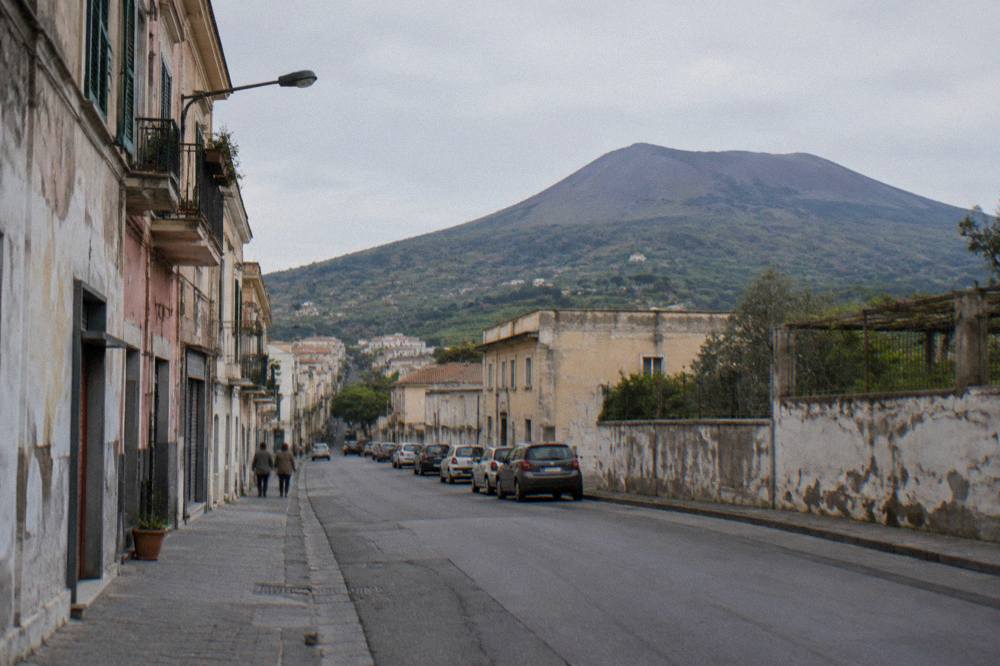
Torre Annunziata sits on the coast between Naples and Pompei, at the point where the plain of Mount Vesuvius meets the Bay of Naples, and it is the location of Oplontis, one of the satellite sites of the Parco Archeologico di Pompei. The UNESCO World Heritage property that carries the number 829 groups three localities, Pompeii, Herculaneum and Torre Annunziata, into a single inscription covering 98 hectares with a buffer zone of 1,788.79 hectares, recognised under cultural criteria three, four and five.
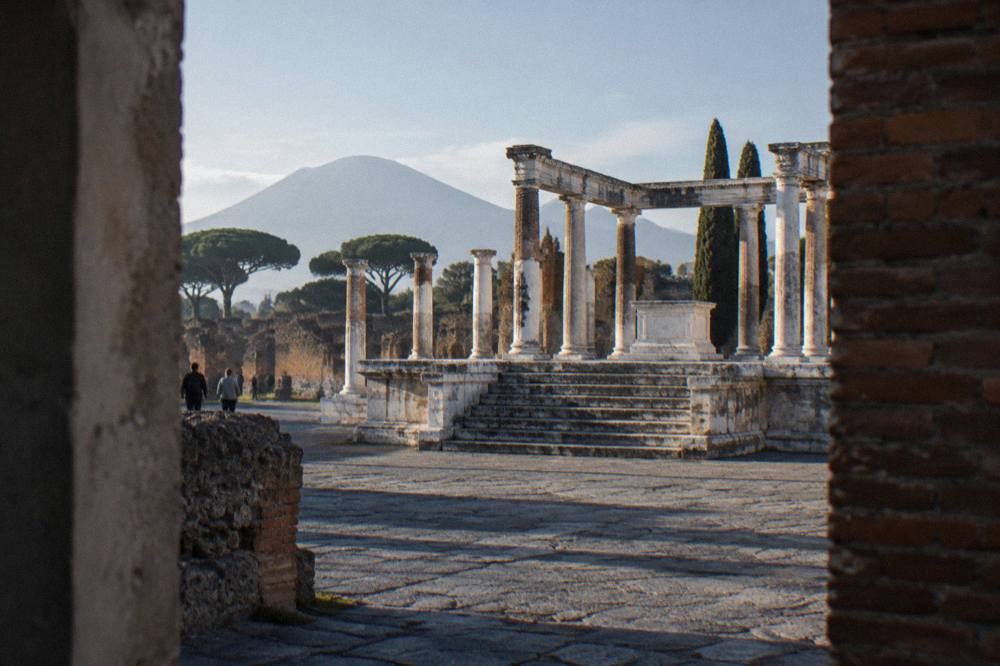
The three-point listing is worth pausing on, because it explains why a town that guidebooks often skip holds a World Heritage badge. The excavated area of Pompeii alone covers 44 hectares, and the inscription deliberately adds Herculaneum, in the modern town of Ercolano, and Oplontis, in Torre Annunziata, as evidence of the same catastrophic event and the same Roman prosperity. A traveller who visits only Pompeii sees one chapter. A traveller who adds the villa at Torre Annunziata sees how the wealthy lived outside the city walls, in a seaside residence that the volcanic deposit preserved to an unusual height.
Geographically, the sequence along the coast and the rail corridor is straightforward. Naples lies at the head of the bay, then the line runs south-east through the densely built Vesuvian plain, passing Ercolano for Herculaneum, then Torre Annunziata for Oplontis, then modern Pompei for ancient Pompeii, before continuing to Sorrento. Road distances measured on the OpenStreetMap network to the Pompei Scavi station, the stop for ancient Pompeii, run about 24 km from Naples and about 26 km from Sorrento. Torre Annunziata's own station stops are a little before Pompei on the same corridor, but the archaeological park's visitor infrastructure is concentrated at Pompeii, which is why planning a combined day is easier than treating each town as a separate expedition.
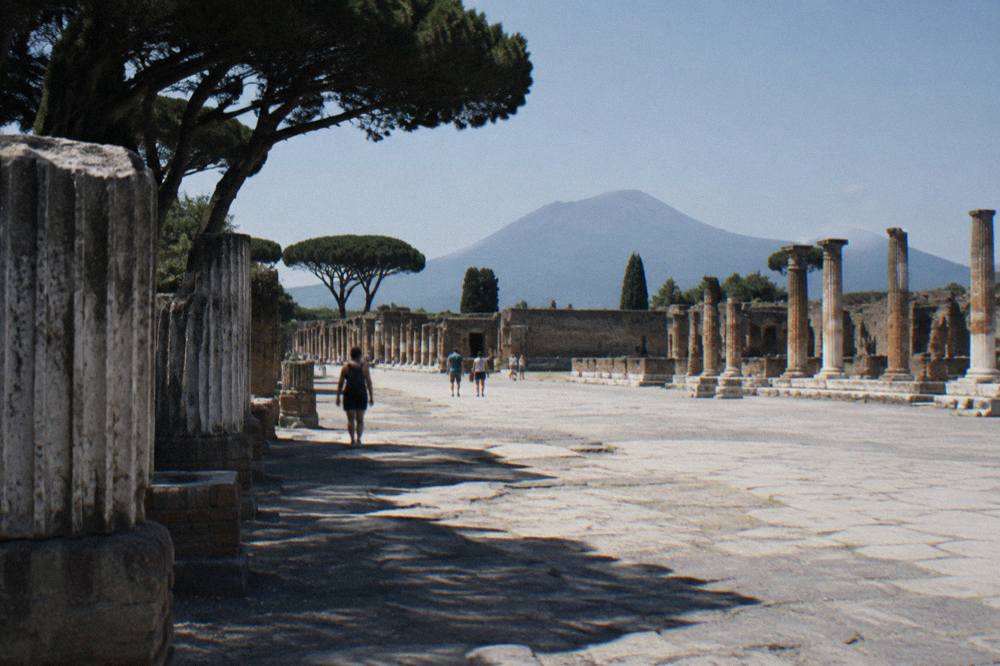
For orientation inside the ancient world rather than the modern one, the companion page on how the regions of Pompeii are laid out explains the city's insulae, while the map of the whole destination shows the modern towns and the buried sites in one view. Understanding that Oplontis, Pompeii, Herculaneum and Stabiae were four separate Roman settlements, not four quarters of one, is the single most useful piece of mental preparation for the area.
What Is Oplontis And Why Is The Villa Poppaea Famous?
Oplontis is the Roman name given to the buried quarter of Torre Annunziata, and its centrepiece is the Villa Poppaea, a luxury seaside villa attributed in tradition to the family of Poppaea Sabina, the wife of the emperor Nero, celebrated for some of the best preserved fresco cycles of any Roman domestic building. The villa was buried by the AD 79 eruption while still under reconstruction after an earlier earthquake, which is why many rooms stand empty of furnishings yet richly painted.
The frescoes are the reason art historians rank the site alongside the great houses of Pompeii itself. The villa's Second Style wall paintings create fictive architecture, columns, theatrical stages and garden views, that open flat walls into illusionary space, and a painted garden room wraps the real garden in an idealised one. The villa also preserves a large swimming pool, service quarters and a plain-winged domestic layout that shows, more clearly than the crowded city blocks of Pompeii, how a Roman elite family organised leisure. The excavation is not complete: a second building at the site, sometimes called the villa of L. Crassius Tertius, yielded rich finds and is far less fully explored.
What surprises many first-time visitors is the atmosphere. Pompeii in high season operates at a scale of tens of thousands of people a day, under a daily cap of 20,000 visitors introduced on 15 November 2024, and the main streets carry a steady stream of groups. Oplontis, by contrast, is a single villa complex on the edge of a modern residential neighbourhood, and the visit feels closer to a museum than to a city walk. The trade-off is real, however: the site is smaller, it has no amphitheatre, forum or gladiator barracks, and it is closed on Tuesdays, one of the conditions the official timetable page attaches to Oplontis along with the Stabiae villas and museum. Detailed coverage of the building itself, room by room, sits on the dedicated Villa Poppaea at Oplontis page.
For travellers deciding between the satellite sites, the honest summary is that Oplontis rewards those who have already seen a Roman city and now want intimacy and fresco quality, while Herculaneum, with its carbonised wood and boat sheds, rewards those fascinated by the eruption's human story. The two can be combined with Pompeii in an ambitious day, and the Pompeii and Herculaneum in one day itinerary shows the sequencing, though adding a third stop needs an early start and realistic expectations about walking fatigue.
How Much Do Oplontis Tickets Cost In 2026 And What Changes In 2027?
In 2026 a standalone Oplontis ticket costs EUR 8, and Oplontis is also included in the park's 3-day ticket at EUR 30, while the single-ticket structure changes on 1 January 2027, when one EUR 25 ticket covers all park sites for 30 days with one entry per site, and Oplontis, the Stabiae museum and Boscoreale remain individually priced at EUR 8. The 2026 tariff runs only to 31 December 2026, so check which regime applies on your travel date.
The 2026 ladder, in force since 12 January 2026, looks like this for the ancient city and its satellites: Pompeii Express, covering the ancient city only, at EUR 20; Pompeii Plus, adding the suburban villas at Pompeii, Villa Regina and the Antiquarium at Boscoreale with a shuttle, at EUR 25; and the 3-day ticket, which adds Oplontis, the Stabiae villas and museum, at EUR 30. Reduced admission of EUR 2 applies to EU citizens aged 18 to under 25, entry is free for under-18s, and everyone enters free on the first Sunday of the month. Nominative tickets, meaning tickets printed with a name and checked against identification, remain in force, together with the 20,000 visitor daily cap at Pompeii itself, and both are retained under the 2027 system.
| Park ticket, 2026 tariff | Price (2026) | What it covers | Status after 1 Jan 2027 |
|---|---|---|---|
| Pompeii Express | EUR 20 | Ancient city of Pompeii only | Replaced by single ticket |
| Pompeii Plus | EUR 25 | Ancient city, suburban villas, Boscoreale | Replaced by single ticket |
| 3-day ticket | EUR 30 | Pompeii Plus plus Oplontis and Stabiae sites | Replaced by single ticket |
| Oplontis standalone | EUR 8 | Villa Poppaea only | Stays EUR 8 |
| Stabiae museum standalone | EUR 8 | Antiquarium of Stabiae | Stays EUR 8 |
| Boscoreale standalone | EUR 8 | Villa Regina and Antiquarium | Stays EUR 8 |
| My Pompeii Card, annual | EUR 45 | All park sites for a year | Stays EUR 45 |
From 1 January 2027 the picture simplifies. The park's release of 14 September 2026 confirms one ticket at EUR 25 for all park sites, valid 30 days from issue with one entry per site, while the three smaller sites keep their EUR 8 individual price and the My Pompeii Card stays EUR 45. For a visitor planning only Oplontis, nothing changes in cash terms. Tickets for the free partner sites at Buccino, Lettere, Poggiomarino and Terzigno stay valid 30 days from issue.
The full decision tree for the ancient city's own tickets, including the first-Sunday and reduced-rate rules in detail, belongs to the tickets for Pompeii explained page, which keeps the comparison in one place. One operational detail is worth repeating here because it catches people out: Oplontis is closed on Tuesdays under the current timetable, so a Tuesday arrival in Torre Annunziata will meet a gate, not a villa.
The compiler renders each product's live price and rating from the operator's listing, so the figures beside those cards are always the ones in force at the moment you read them.
How Do You Get To Torre Annunziata And Oplontis?
Torre Annunziata is reached on the Circumvesuviana railway from Naples or Sorrento, the same line that serves Pompei Scavi-Villa dei Misteri for ancient Pompeii, with scheduled running times computed from the operator's own timetable data of 29 to 35 minutes from Napoli Garibaldi to Pompei Scavi and 34 to 40 minutes from Pompei Scavi onward to Sorrento. The Campania Express premium service has been suspended since 1 October 2026 with no restart date announced.
The Circumvesuviana is the workhorse of the Vesuvian plain, a narrow-gauge network run by EAV that threads through the towns at the foot of the volcano. Its line 1, Napoli to Sorrento, is the one that matters here: it calls at Ercolano for Herculaneum, at Torre Annunziata for Oplontis, and at Pompei Scavi-Villa dei Misteri, the stop named for the Villa of the Mysteries that stands beside the ancient city's main excursion area. The scheduled times quoted above were computed from EAV's own published timetable feed dated 30 September 2026, and the operator's timetable should be checked for the day of travel, particularly because EAV announced on 16 September 2026 a plan of ten new trains and a revised timetable for the Vesuvian lines.
| Journey on the Vesuvian rail corridor | Scheduled time range (EAV timetable data) |
|---|---|
| Napoli Garibaldi to Pompei Scavi-Villa dei Misteri | 29 to 35 minutes |
| Pompei Scavi-Villa dei Misteri to Sorrento | 34 to 40 minutes |
| Napoli Garibaldi to Sorrento | 64 to 75 minutes |
It was the air-conditioned, limited-stop companion service on the same corridor, and EAV suspended it from 1 October 2026 until further notice, with refunds handled through EAV's complaints form or the original seller. The regular Circumvesuviana service continues.
Arriving by road is possible but less restful. The A3 motorway and the SS18 coast road both serve the town, and measured driving times on the OpenStreetMap road network run about 22 minutes from Naples and about 37 minutes from Sorrento to the Pompei Scavi area, with Torre Annunziata a short distance before it. Parking in the Vesuvian towns is the usual compromise of street spaces and small private lots, and the conditions around the archaeological park itself are covered on the parking page for Pompeii. For anyone without a car, the simplest pattern remains the train: Naples in the morning, Ercolano or Torre Annunziata first, then Pompei Scavi, then the return.
What Do You Actually See Inside The Villa Poppaea?
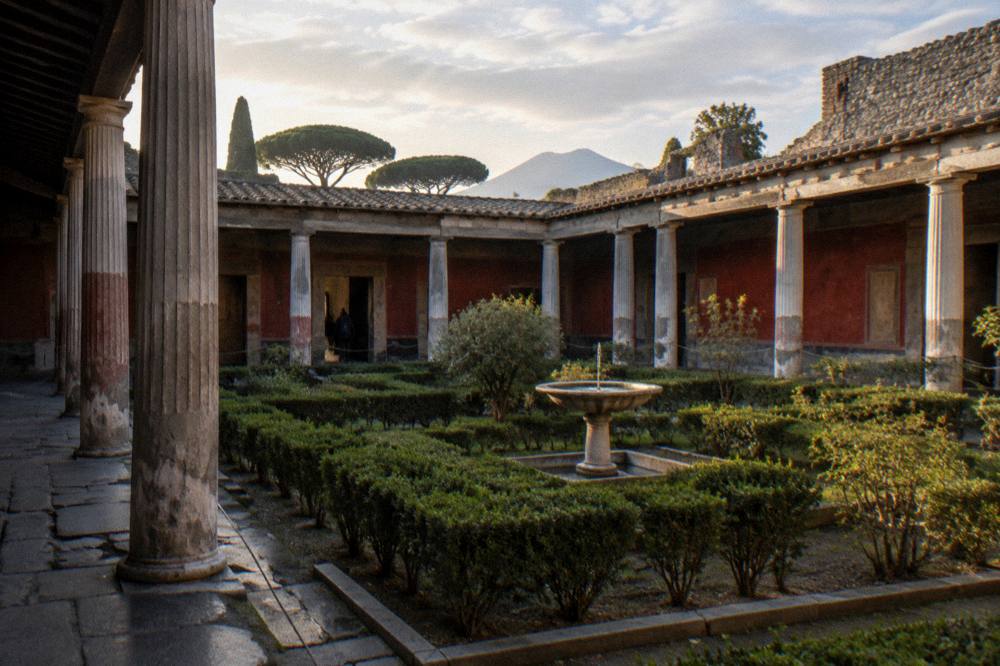
The Villa Poppaea visit is a single continuous complex of frescoed rooms, courts and a long swimming pool, organised around a garden courtyard, and the highlights are the Second Style architectural frescoes, the painted garden room, the servants' quarter with its staircase and the pool corridor framing the ancient seafront. Expect to walk on ancient surfaces and Roman paving, with the visit structured as a loop through the residential wing.
The fresco cycles are the heart of it. One celebrated room paints a theatrical scene with masks and pediments; another carries a frieze of peacocks and candelabra. The garden room deserves time: its walls repeat the plants of the real garden outside in paint, rows of oleander, laurel and umbrella pine, so the interior and exterior echo one another.
The architecture tells its own story. The pool, over 60 metres long in its surviving stretch, the bath suite and the service corridor give a sense of the staff numbers a house of this scale required. Visitors who want the fullest narrative can pair the villa with the coverage of frescoes and mosaics across Pompeii, since the styles here and in the city's houses belong to the same tradition; the House of the Vettii shows the later Fourth Style that the villa's earlier painting predates.
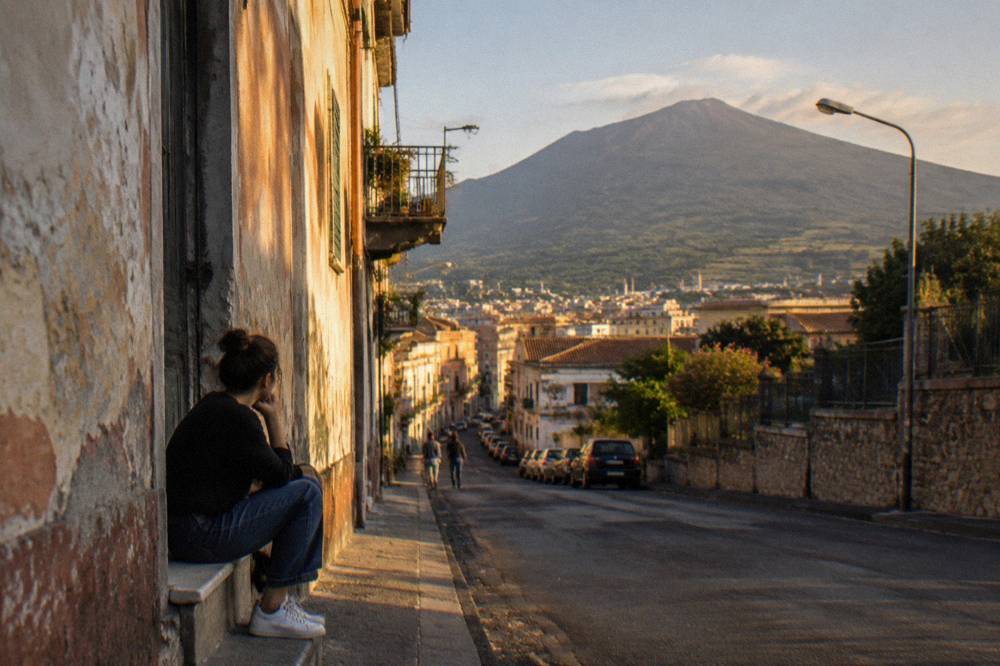
Practical conditions inside the site are those of an exposed ruin. There is little shade on the pool terrace, the surfaces are uneven, and summer midday heat is real: at the Pompei grid point, about 3 km inland, the 1991-2020 climate normals from the Open-Meteo historical archive show a mean daily maximum of about 29.4 C in August. Water, a hat and closed shoes are the standard kit, the same advice that applies to the ancient city.
How Long Should You Spend At Oplontis Compared With Pompeii?
A first visit to the Villa Poppaea usually takes between one and two hours on site, against roughly four to six hours for a serious circuit of Pompeii, so Oplontis works best as a morning or afternoon addition rather than a destination in itself.
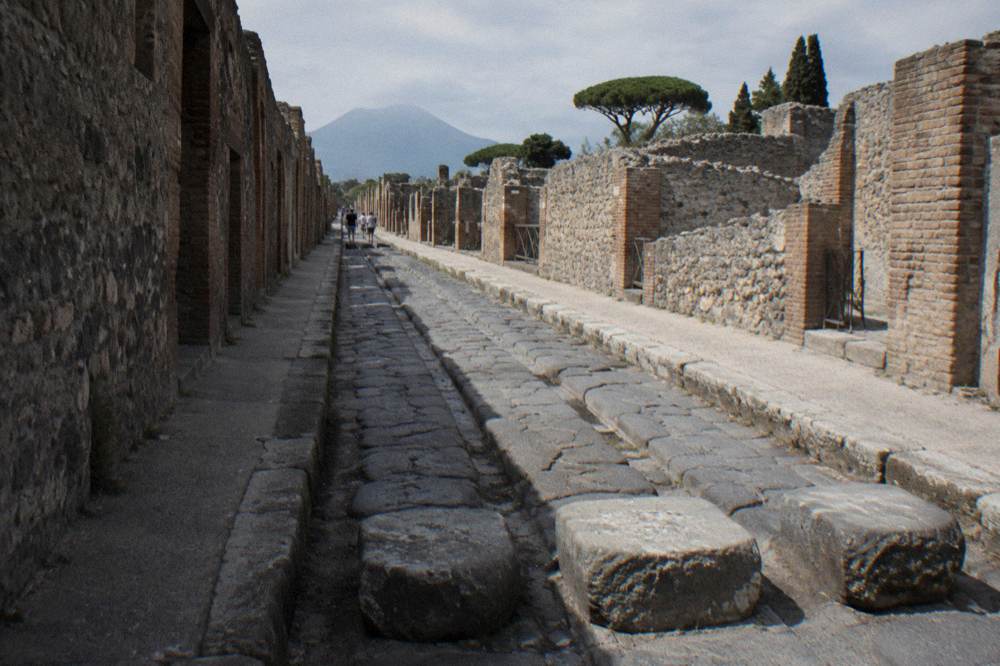
The asymmetry matters for planning. Pompeii's excavated area of 44 hectares holds a forum, two theatres, an amphitheatre, baths, bakeries and dozens of houses, and even a focused route such as the two-hour Pompeii itinerary moves at a brisk walk with sacrifices. Oplontis is one villa. Its rooms can be read at leisure, and there is no way to get structurally lost. That makes it a natural first or last stop on a day that also includes Pompeii proper, or a calm counterweight after the crowds of the Forum and the amphitheatre.
| Site in the Vesuvian group | Scale of the visit | Typical time on site |
|---|---|---|
| Pompeii, ancient city | 44 ha excavated, full city circuit | 4 to 6 hours |
| Herculaneum | Compact town site, steeply cut | 2 to 3 hours |
| Oplontis, Villa Poppaea | One luxury villa complex | 1 to 2 hours |
| Stabiae villas and museum | Two villas plus museum | 2 to 3 hours |
Times in the table are planning ranges drawn from the scale of each site, not operator promises, and the closure notes carry over: Oplontis and the Stabiae sites are closed on Tuesdays, while Herculaneum's Villa dei Papiri and Ancient Theatre are closed for works, a condition the Herculaneum ticketing page states plainly. Seasonal hours at the ancient city itself run from 9:00 to 19:00 with last entry at 17:30 between 16 March and 14 October, and 9:00 to 17:00 with last entry at 15:30 between 15 October and 15 March, with the site closed only on 25 December and 1 January unless otherwise communicated.
How Does Torre Annunziata Fit Into A Wider Vesuvian Itinerary?
The strongest pattern is a two-centre day that pairs Oplontis with either Pompeii or Herculaneum, using the Circumvesuviana corridor between them, and a fuller version adds Mount Vesuvius on a second day. Sequencing a combined day well means starting at whichever site opens best for your transport, then working down the corridor, rather than zigzagging between towns.
For a one-day plan, the geometry favours starting in Naples, riding the line to Torre Annunziata for the villa's opening hour, then continuing a few minutes down the corridor to Pompei Scavi for the ancient city in the afternoon, or the reverse in high season to beat the Pompeii crowds at opening. A two-day version splits the load: Pompeii on day one, Herculaneum and Oplontis on day two, or Vesuvius on the morning of day two with the villa in the afternoon, following the sequencing in the Pompeii and Vesuvius in one day itinerary. The Vesuvius side has its own booking rules: Gran Cono crater tickets are sold online only, at EUR 11.68 full and EUR 9.55 reduced as sold, in timed slots of 50 tickets every ten minutes bookable 30 days ahead, with ten nominative last-minute tickets per slot released from 30 minutes before, and the path closes automatically on an orange weather alert or above. The full detail sits on the Mount Vesuvius pages.
Guided products can carry this sequencing for you. The two-site small-group tour with an archaeologist pairs Pompeii and Herculaneum under a single guide, with the operator's live listing showing price, rating and the exact meeting point, and you can Check availability alongside the site's tour page for the Pompeii and Herculaneum small-group tour. For travellers who prefer a deep single-site experience, the archaeologist-led skip-the-line walk of Pompeii, one of the trio above, keeps the group small and the focus tight.
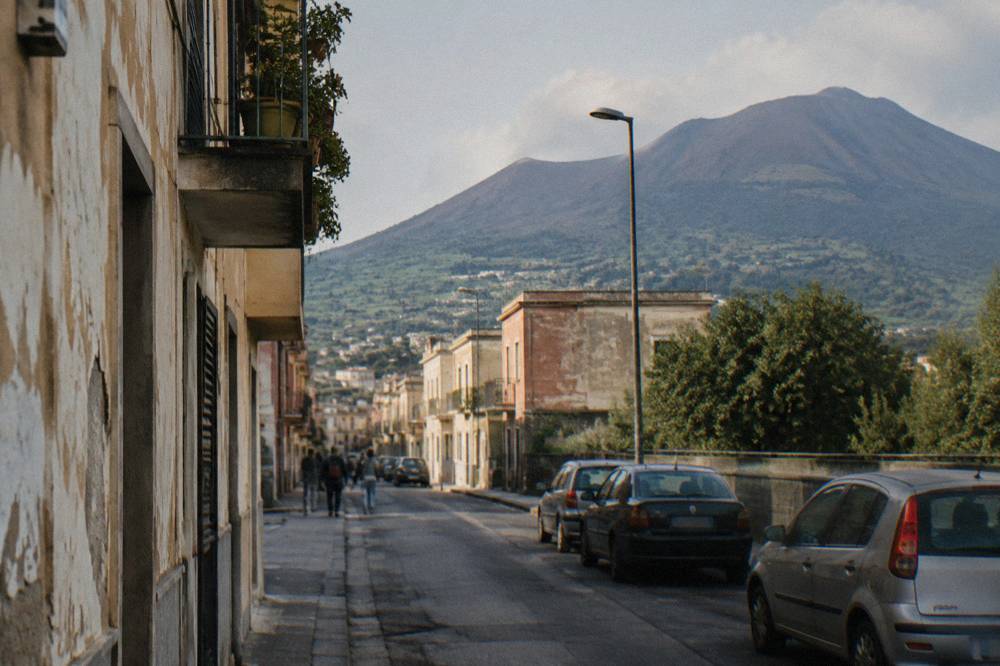
The wider region rewards the same corridor thinking. Beyond the buried sites, day trips branch out to Naples for the archaeological museum that holds the Pompeii frescoes and mosaics removed from the ground, and to the Amalfi Coast for the scenery leg of a holiday. Each of those has its own page, and none of them needs to be squeezed into the same day as the villa.
What Else Is There In The Modern Town Of Torre Annunziata?
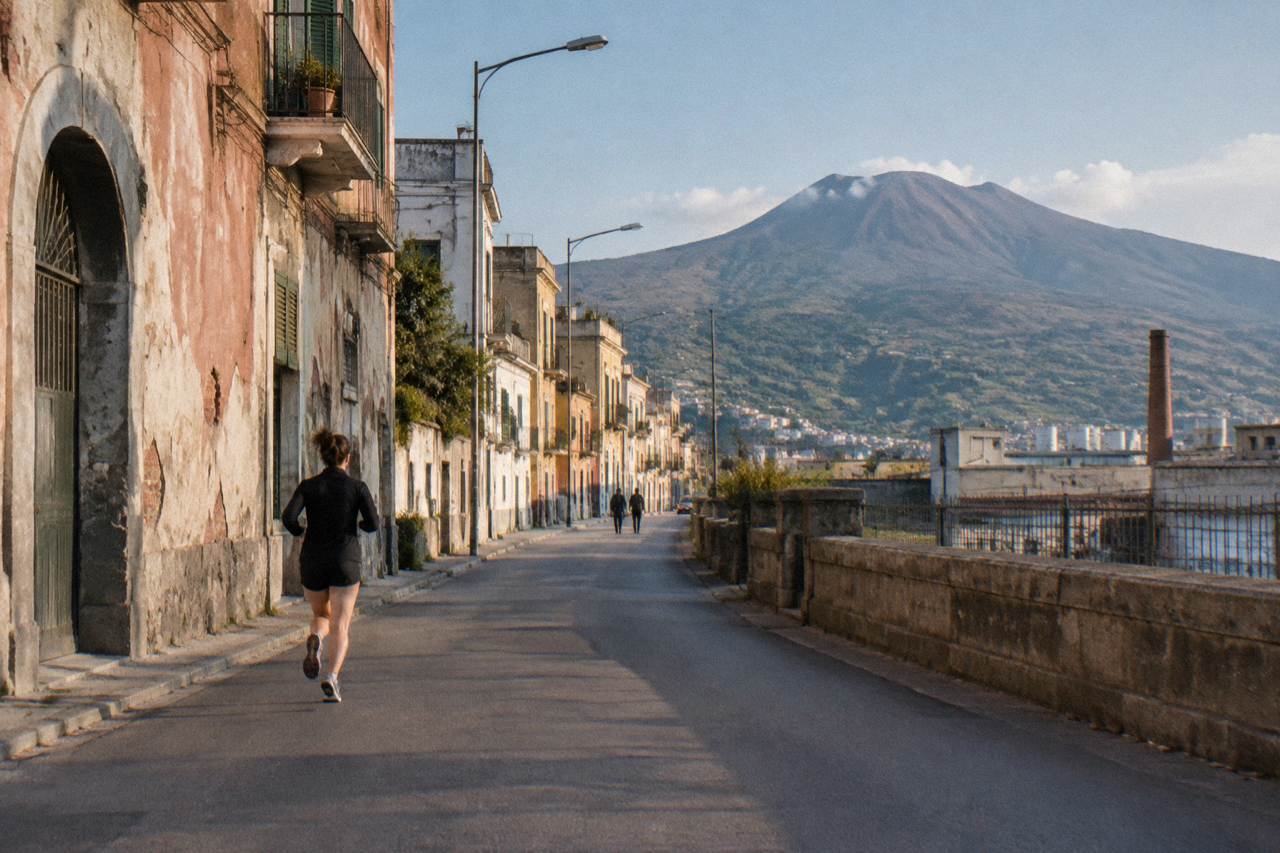
The modern town is a working industrial and port community rather than a resort, and beyond the archaeological site its sights are modest: the seafront, the remains of the medieval coastal towers that give the town its name, and a food scene rooted in the same Vesuvian produce that fills the cooking classes of the region, so travellers generally treat the town as a base for Oplontis rather than an attraction in its own right.
The name records the fortification history: a watchtower, the Torre, was built or rebuilt in the Angevin and Aragonese period as part of the coastal defence system against raids, and a succession of towers followed, of which vestiges survive in the built fabric. The town's modern identity came later, with naval construction, ironworks and pasta production, and the seafront keeps something of that industrial frankness. This is not a polished tourist centre, and that is part of its value: the visitor counts published by the park show Pompeii alone passing four million entries a year, while Oplontis absorbs only a fraction of that flow.
The food of the area is genuinely of the place. Vesuvian tomatoes, the piennolo variety that hangs in bunches, apricots from the volcanic soil, and the wines of the Vesuvius slopes all appear on local tables, and several bookable experiences in the roster build a whole day around them, from the wine-and-lunch tours in the national park to the pizza classes in Naples a short train ride away. For eating near the site itself, the practical advice is modest: a handful of trattorie and bars serve the neighbourhood around the villa entrance, and the dedicated where to eat around Pompeii page covers the options closer to the ancient city for anyone combining the two.
Visitors weighing an overnight stay should read the comparison honestly. The accommodation logic of the area is covered on the staying in modern Pompei and the Ercolano area pages, and the short version is that Naples and Sorrento hold the deepest hotel stock, Pompei is the convenient middle, and Torre Annunziata itself has limited tourist lodging. Its sister towns along the coast, like Castellammare di Stabiae, follow the same pattern.
When Is The Best Time Of Year To Visit Oplontis And Torre Annunziata?
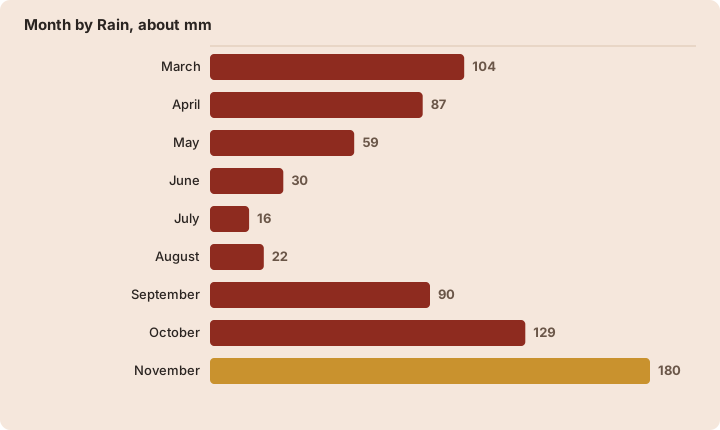
Spring and autumn give the best balance of weather and quiet at the villa, with about 17.7 C mean daily maximum and about 87 mm of rain in April and about 21.3 C and 129 mm in October, while July and August are the driest and hottest months at about 28.7 C and 29.4 C mean daily maximum with only 16 mm and 22 mm of rain, and November is the wettest month of all at about 180 mm.
These figures come from the 1991-2020 climate normals computed at the Pompei grid point from the Open-Meteo historical archive, an ERA5 reanalysis grid rather than a weather station, so the numbers are stated as approximations for the coastal plain the villa shares. The pattern is classic Mediterranean: a hot, dry summer core, mild winters with meaningful rain, and shoulder months that combine comfortable walking temperatures with the fresco rooms at their quietest.
| Month | Mean daily max, about C | Mean daily min, about C | Rain, about mm |
|---|---|---|---|
| March | 14.9 | 8.1 | 104 |
| April | 17.7 | 10.4 | 87 |
| May | 21.6 | 14.1 | 59 |
| June | 25.8 | 18.2 | 30 |
| July | 28.7 | 21.1 | 16 |
| August | 29.4 | 21.8 | 22 |
| September | 25.3 | 18.6 | 90 |
| October | 21.3 | 15.1 | 129 |
| November | 16.9 | 11.5 | 180 |
Crowd patterns track the sun. The park's published monthly figures for Pompeii show the 2024 peak in May at 516,923 visitors, with April at 466,344, September at 468,340 and October at 481,255, and the winter trough at 112,121 in January. Oplontis receives a small fraction of those flows, but its quietest hours still come early in the morning and in the November-to-March window when the ancient city runs its shorter hours, 9:00 to 17:00 with last entry at 15:30 from 15 October to 15 March. One calendar note for budget travellers: the first Sunday of each month brings free entry to the state sites, and the record free-Sunday peak of more than 36,000 entries at Pompeii is a reminder that the free days are also the crowded ones.
Is Oplontis Worth Adding To A Pompeii Trip?
Oplontis is worth adding for any traveller with a second half-day in the area, an interest in Roman painting, or a wish to see the Vesuvian story beyond the city walls, and the standalone EUR 8 ticket keeps the decision cheap.
The honest framing is one of depth versus breadth. The villa offers the deepest single-building fresco experience in the Vesuvian group, in surroundings that rarely feel crowded, and it completes the UNESCO trio that the listing was built on. The ancient city offers everything else: the forum, the theatres, the Villa of the Mysteries with its own famous fresco cycle at Pompeii's edge, the casts at the Garden of the Fugitives, and the layered street life of a whole urban fabric. A full-day plan inside the city is mapped on the Pompeii in one day itinerary page.
Guided options shift the calculus for time-pressed visitors. A full-day combination from Naples that pairs the ancient city with the volcano and a pizza lunch, the third card in the trio above, moves the logistics off your plate entirely, and its live price and rating render on the operator's listing. Whichever way the day is built, the editors of this Pompeii Travel Guide site would repeat one rule: book the Pompeii leg ahead under the nominative-ticket regime, and treat Oplontis as the unhurried bonus it was preserved to be.
Common Questions About Torre Annunziata
Where is Torre Annunziata in relation to Pompeii?
Torre Annunziata is a coastal town in Campania, southern Italy, on the Bay of Naples, lying a few minutes before modern Pompei on the Naples to Sorrento rail corridor. It holds Oplontis, the Villa Poppaea archaeological site, which is a satellite of the same archaeological park that runs ancient Pompeii about 24 km by road from Naples.
What is Oplontis and why is the Villa Poppaea famous?
Oplontis is the buried Roman quarter of Torre Annunziata, and its Villa Poppaea is celebrated for some of the best preserved Second Style frescoes of any Roman villa, a long swimming pool and a painted garden room. Tradition links it to the family of Poppaea Sabina, wife of the emperor Nero.
How much do Oplontis tickets cost in 2026 and 2027?
A standalone Oplontis ticket is EUR 8 under the 2026 tariff, and the 3-day ticket at EUR 30 includes it. From 1 January 2027 a single EUR 25 ticket covers all park sites for 30 days with one entry per site, while Oplontis remains EUR 8 individually and the My Pompeii Card stays EUR 45.
How do you get to Torre Annunziata?
Take the Circumvesuviana railway from Naples or Sorrento, the same line that serves Pompei Scavi-Villa dei Misteri for ancient Pompeii. Scheduled running times from EAV's timetable data run 29 to 35 minutes from Napoli Garibaldi to Pompei Scavi. The Campania Express premium service has been suspended since 1 October 2026.
How long should you spend at Oplontis compared with Pompeii?
Allow one to two hours for the Villa Poppaea, against four to six hours for a serious circuit of Pompeii's 44 hectare excavated area. Oplontis works best as an addition on a day that also includes Pompeii or Herculaneum, and it is closed on Tuesdays.
Is Oplontis worth adding to a Pompeii trip?
Yes, for any traveller with a spare half-day, an interest in Roman painting, or a wish to complete the UNESCO trio of Pompeii, Herculaneum and Torre Annunziata. Visitors with only one day should prioritise Pompeii itself, or Pompeii with Herculaneum, before adding the villa.
The cards above gather the three combinations that pair best with a Torre Annunziata stop, and every price, rating and review count renders from the operator's live listing. Whether the day ends up as a self-guided train circuit or a guided small-group tour, the villa at Oplontis keeps its half of the promise that the whole Vesuvian group makes: a single afternoon, one eruption's aftermath, and three towns' worth of buried Roman life within easy reach of Naples.
Torre Annunziata will never compete with the ancient city for scale or fame, and it does not need to. Its villa is the quiet masterpiece of the group, its ticket is the cheapest entry point into the park's satellite network, and its rail stop sits on the same line that strings together the entire Bay of Naples story. Plan the Tuesday closure around it, carry water in summer, and let the frescoes have the slow hour they were preserved for.