Rome To Pompeii Day Trip
A Rome to Pompeii day trip is a long but rewarding journey south to the ancient city buried by Mount Vesuvius in AD 79, and the planning decisions that shape it are travel time, ticket type and how many hours you can realistically spend inside the park.
Short answer
Pompeii lies about 234 km by road from Rome, roughly 2 hours 40 minutes driving, so a day trip is a full-day commitment. In 2026 a Pompeii Express ticket costs EUR 20 and the park is open 9:00 to 19:00 in the summer season with last entry at 17:30. A guided day-trip tour with transport solves the logistics.
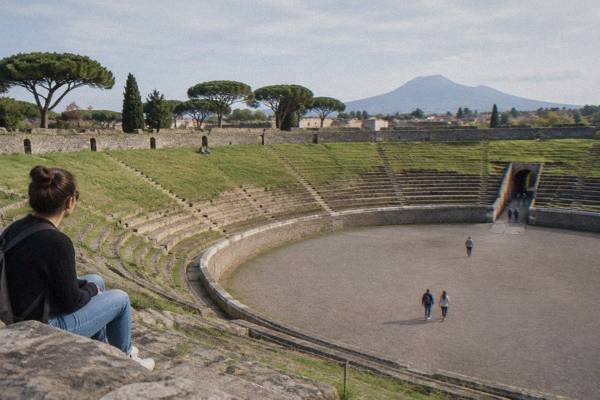
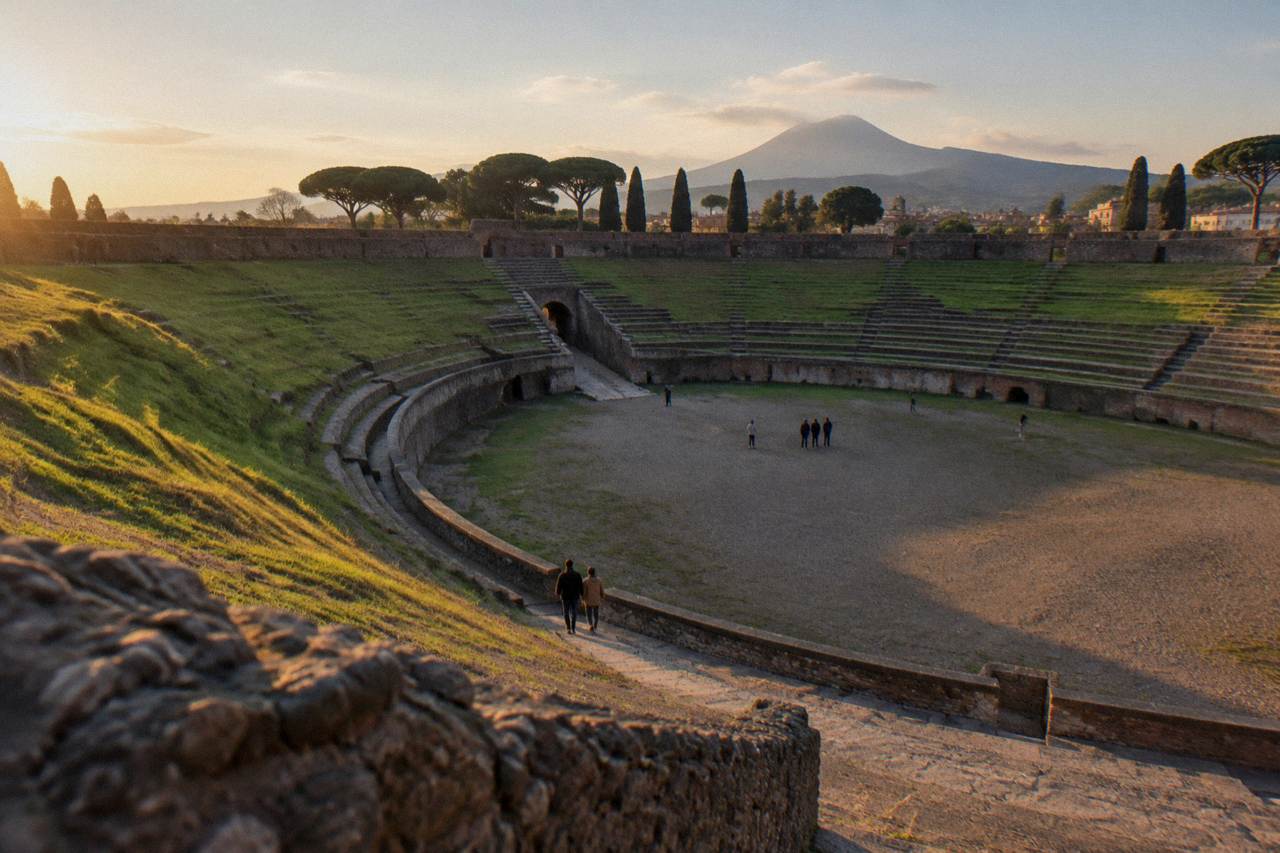
Pompeii is an ancient Roman city buried by the eruption of Mount Vesuvius in AD 79, now an archaeological park in Campania, southern Italy, beside the modern town of Pompei and about 24 km by road from Naples. From Rome, in Lazio, it sits roughly 234 km away by road, a drive of about 2 hours 40 minutes each way, which is why a Rome to Pompeii day trip is a genuine full-day undertaking rather than a quick excursion. This guide sets out the travel options, the tour choices, the 2026 ticket prices and the changes coming in 2027, and how to spend the limited hours you will have inside the excavations. The park recorded 4,000,090 visitors to the Pompeii site in 2025, so the planning details below are worth getting right before you commit a day of a Roman holiday to the journey south.
How Far Is Pompeii From Rome And Is A Day Trip Realistic?
Yes, a day trip from Rome to Pompeii is realistic, but it consumes the entire day: the road distance is 234 km, about 2 hours 40 minutes of driving each way, and the park's summer last entry is 17:30 with closing at 19:00. That leaves a workable but tight window of roughly four to five hours on site once travel, transfers and security are accounted for. Anyone hoping for a relaxed half-day should recalibrate: this is a dawn-to-dinner trip in every format.
The distance is the defining fact of the day. OpenStreetMap routing puts the drive from Rome to the Pompei Scavi area at 234 km and about 2 hours 40 minutes, and that figure is routing data rather than an official road authority number, so treat it as a planning estimate. The motorway corridor south through Lazio and Campania is the practical route, and traffic around Naples can stretch the final stretch considerably. For context, Naples is 24 km from Pompei Scavi, Sorrento is 26 km and Salerno is 31 km, which is why those three cities work as bases for shorter visits and Rome does not.
The realistic arithmetic looks like this. Leave Rome in the early morning, arrive at the park by late morning, spend the middle of the day inside the excavations, and return to Rome in the evening. The park's summer season, 16 March to 14 October, runs 9:00 to 19:00 with last entrance at 17:30; the winter season, 15 October to 15 March, closes at 17:00 with last entry at 15:30, which makes winter day trips from Rome much harder to fit around daylight and travel time. If the eruption date interests you, note that the park's tradition dates the destruction to 24 August AD 79, while the park's own e-journal states that the alternative 24 October date has no evidentiary basis; the debate remains open among scholars.
Whether the trip is worth it is a fair question, and this site answers it in detail elsewhere: read is the day trip from Rome worth it for the honest case for and against. The short version is that the excavated area covers 44 hectares, one of the largest and best-preserved ancient urban landscapes anywhere, and that four hours inside it beats zero hours. For orientation once you arrive, the Pompeii map guide shows the named entrances and the layout of the city.
| Journey (road, driving) | Distance | Approximate Time |
|---|---|---|
| Rome to Pompei Scavi | 234 km | about 2 h 40 min |
| Naples to Pompei Scavi | 24 km | about 22 min |
| Sorrento to Pompei Scavi | 26 km | about 37 min |
| Salerno to Pompei Scavi | 31 km | about 30 min |
What Are The Best Ways To Travel From Rome To Pompeii?
The three workable options are a guided day-trip tour with transport included, a self-managed high-speed train to Naples followed by the Circumvesuviana to Pompei Scavi-Villa dei Misteri, or a private driver or hire car. The Campania Express, once the comfort option from Naples, has been suspended since 1 October 2026 until further notice, so the Circumvesuviana is the rail link that matters.
The guided tour is the format that removes the most friction. A tour with transport bundles the long drive, the park entry logistics and a guide into one booking, and the roster on this site includes several from-Rome options whose prices, ratings and durations render on their own pages and in the selection below. The trade-off is simple: you trade flexibility for certainty, and on a day with this much travel, certainty has real value. The Rome to Pompeii by train guide covers the self-managed rail option in full if you would rather keep control of the clock.
For the independent route, the rail leg from Rome terminates at Naples, and the connection to the excavations is the Circumvesuviana line from Napoli Garibaldi to Pompei Scavi-Villa dei Misteri, the station that serves the park. Scheduled times computed from EAV's own timetable data, feed dated 30 September 2026, give 29 to 35 minutes for that stretch with a median of 29 minutes. EAV announced new trains and a new timetable for the Vesuvian lines on 16 September 2026, so the timetable you meet on the day may differ from older accounts online. The Circumvesuviana train guide has the detail, and the question of whether a direct train from Rome exists has a plain answer: no, a change in Naples is part of the journey.
EAV's own page states the service has been suspended from 1 October 2026 until further notice, with refunds available through the EAV complaints form or the original seller. Any travel article recommending it as a running option is out of date.
| Rail Leg | Scheduled Time (EAV timetable data) |
|---|---|
| Napoli Garibaldi to Pompei Scavi-Villa dei Misteri | 29 to 35 minutes, median 29 |
| Napoli Garibaldi to Sorrento | 64 to 75 minutes, median 69 |
| Pompei Scavi-Villa dei Misteri to Sorrento | 34 to 40 minutes |
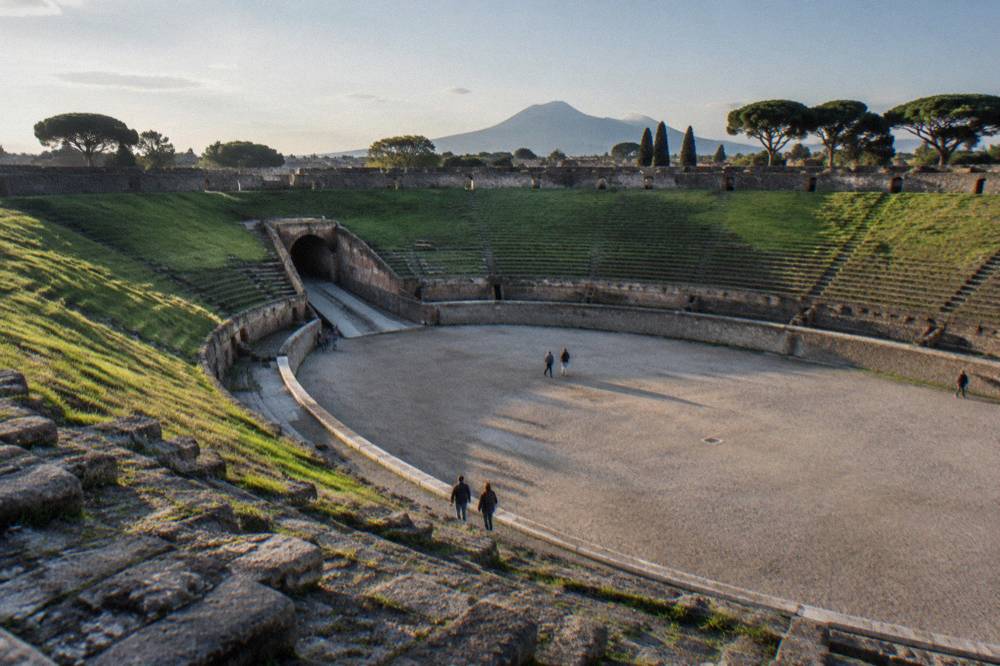
Which Rome To Pompeii Day Trip Tour Should You Book?
The right tour depends on what else you want from the day: a coast-and-ruins tour that adds Sorrento and the Amalfi Coast suits first-time visitors who may not return to Campania, while a Pompeii-focused tour maximises time in the park itself. Every price, rating and duration for these products renders from the listings rather than from this page. All three tours below can be checked for availability with free cancellation on the operator's live listing.
The featured option on this page is the From Rome: Pompeii, Amalfi Coast, and Sorrento Day Trip, which turns the long journey into a full circuit of the Bay of Naples. It suits the traveller who wants Pompeii and the coastal scenery in one booked day, with the driving handed to someone else. The honest caveat is the same as its appeal: a day that includes the coast spends fewer hours among the ruins than a Pompeii-only itinerary, and the question can you cover Pompeii and the Amalfi Coast in one day addresses exactly that tension.
For comparison, the roster also carries a budget-minded Naples-based option, the From Naples: Pompeii and Vesuvius Day Trip with Pizza Lunch, which pairs the city with the volcano and a meal. It is listed here because travellers weighing a from-Rome booking sometimes discover that basing in Naples for a night makes a two-site day easier, a comparison the Naples to Pompeii guide works through. And for those staying on the peninsula, the Sorrento: Skip-the-Line Pompeii Express Tour by Train is the short-format alternative, covered in the Sorrento to Pompeii guide.
Choosing between them comes down to three questions. Where are you sleeping, Rome or somewhere closer? Do you want Vesuvius or the coast alongside the ruins? And how much of the day are you willing to spend in a vehicle? Answer those and the shortlist above resolves itself quickly.
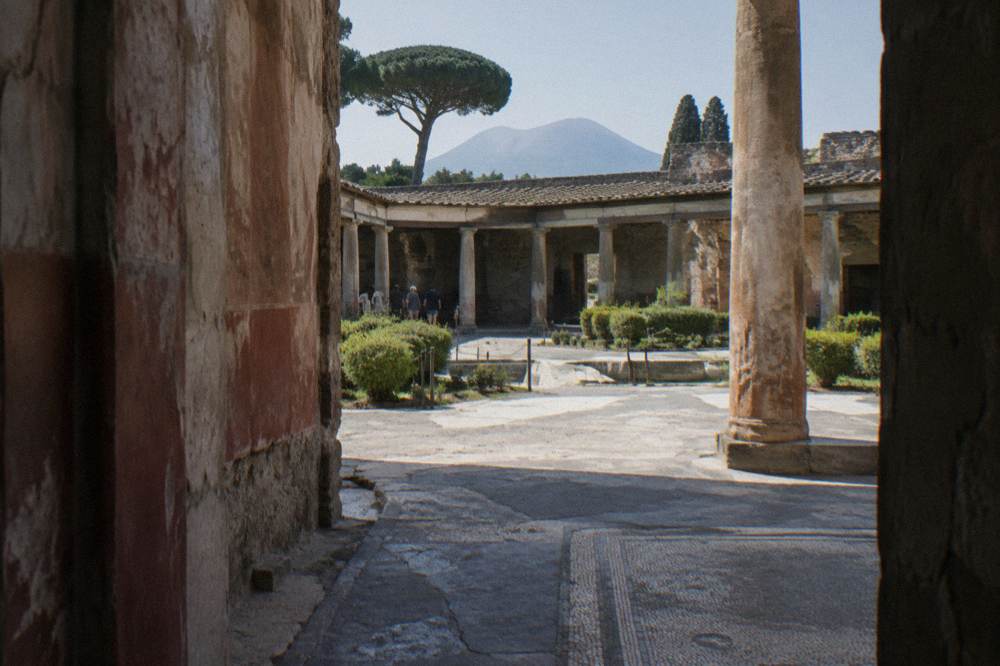
How Much Time Do You Get Inside The Pompeii Archaeological Park?
On a from-Rome day trip, expect roughly four to five hours inside the excavations on a tour itinerary, or up to six hours if you travel independently and time the last entry well. The park's summer last entry is 17:30 and closing is 19:00, so the ceiling on any day is fixed by those hours, and the 20,000-visitor daily cap plus time-slot bands can tighten peak mornings further.
The park splits its day into two entry bands in the summer season. From 9:00 to 13:00 the cap is 15,000 visitors, of which 12,000 are Express ticket holders and 3,000 hold the Plus ticket; from 13:00 to 17:30 the cap drops to 5,000, split 3,000 and 2,000. The overall daily cap of 20,000 visitors has applied since 15 November 2024, alongside nominative tickets, which means every visitor's ticket carries a name and identification can be checked at entry. The practical consequence for a day-tripper arriving from Rome by late morning is that the afternoon band is usually the easier one to enter, and the Pompeii opening hours guide contextualises the seasonal pattern.
Tickets are non-transferable and non-refundable except in the case of extraordinary closure, per the park's visitor regulations. Bags are limited to 30x30x15 cm, with larger items going to left luggage, which matters if you are carrying a day pack for the whole round trip from Rome. The how long to spend in Pompeii guide treats the time question in depth for readers who can decouple it from the travel schedule.
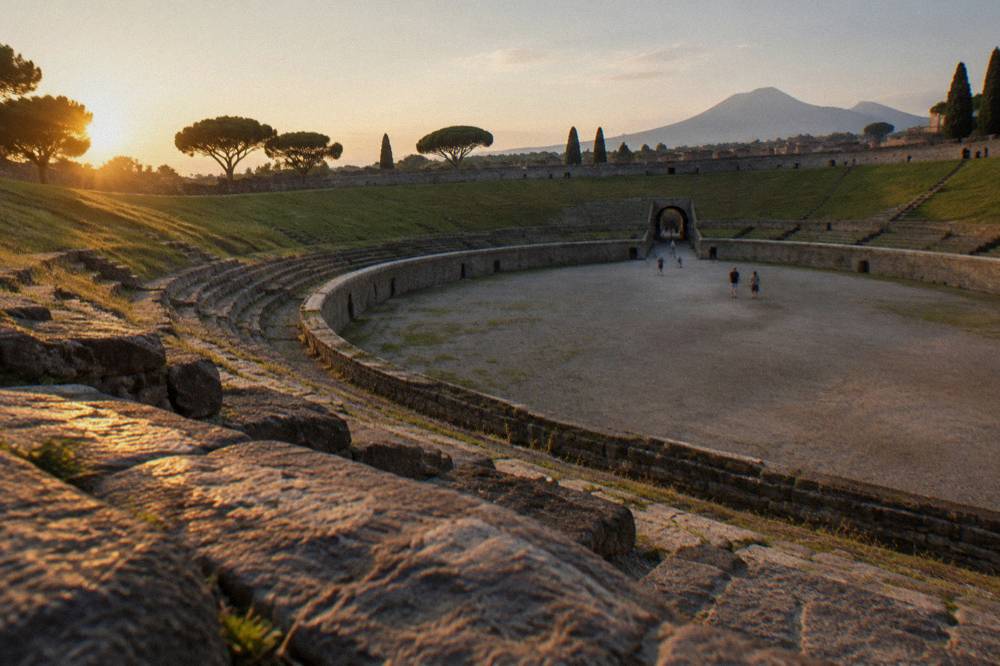
| Time Slot (16 Mar to 14 Oct) | Visitor Cap | Express Share | Plus Share |
|---|---|---|---|
| 9:00 to 13:00 | 15,000 | 12,000 | 3,000 |
| 13:00 to 17:30 | 5,000 | 3,000 | 2,000 |
What Do Pompeii Tickets Cost In 2026 And What Changes In 2027?
In 2026 the Pompeii Express ticket costs EUR 20 for the ancient city only, Pompeii+ costs EUR 25 adding the suburban villas, and the 3-day ticket costs EUR 30; the smaller park sites cost EUR 8 each and the annual MyPompeii Card costs EUR 45. From 1 January 2027 a single EUR 25 ticket replaces that structure, valid 30 days with one entry per site. Entry is free for under-18s and for everyone on the first Sunday of the month.
The 2026 structure, in force since 12 January 2026, gives day-trippers a straightforward choice. Express covers the ancient city, which is what nearly every from-Rome visitor wants; Plus adds the suburban villas route including the Villa of the Mysteries and Villa Regina with the shuttle; the 3-day ticket adds Oplontis, the Stabiae villas and museum, and Boscoreale, which is more than a day trip can absorb. Express holders can add the suburban villas route later for EUR 8, card only, at the Porta Ercolano / Street of the Tombs entrance. The full breakdown lives in the Pompeii tickets guide, which also covers the free first-Sunday scheme and the EUR 2 reduced rate for EU citizens aged 18 to under 25.
The 2027 change is confirmed on the park's own site. From 1 January 2027 one EUR 25 ticket covers all park sites, valid 30 days with one entry per site; Oplontis, the Stabiae museum and Boscoreale stay EUR 8 individually, and the MyPompeii Card stays EUR 45. Nominative tickets and the 20,000 daily cap are retained. For a from-Rome day tripper the practical effect is small, since one site is all a day allows anyway, but anyone reading older price lists online should know the structure they describe ends on 31 December 2026.
| Ticket (2026 prices, end 31 Dec 2026) | Price | Covers |
|---|---|---|
| Pompeii Express | EUR 20 | Ancient city only |
| Pompeii+ | EUR 25 | Ancient city plus suburban villas route |
| 3-day ticket | EUR 30 | Pompeii+ plus Oplontis, Stabiae villas and museum, Boscoreale |
| Other park sites | EUR 8 each | Boscoreale, Oplontis, Stabiae museum |
| MyPompeii Card (annual) | EUR 45 | Annual pass |
What Should You Actually See Inside Pompeii On A Day Trip?
Prioritise the Forum, the Forum Baths, the House of the Faun, the Lupanar, the Garden of the Fugitives and a walk along the Via dell'Abbondanza, finishing near the Amphitheatre if time allows. One closure to plan around: the Praedia of Julia Felix has been closed to the public since 7 September 2026 for maintenance until further notice, so itineraries that centre on it need rethinking.
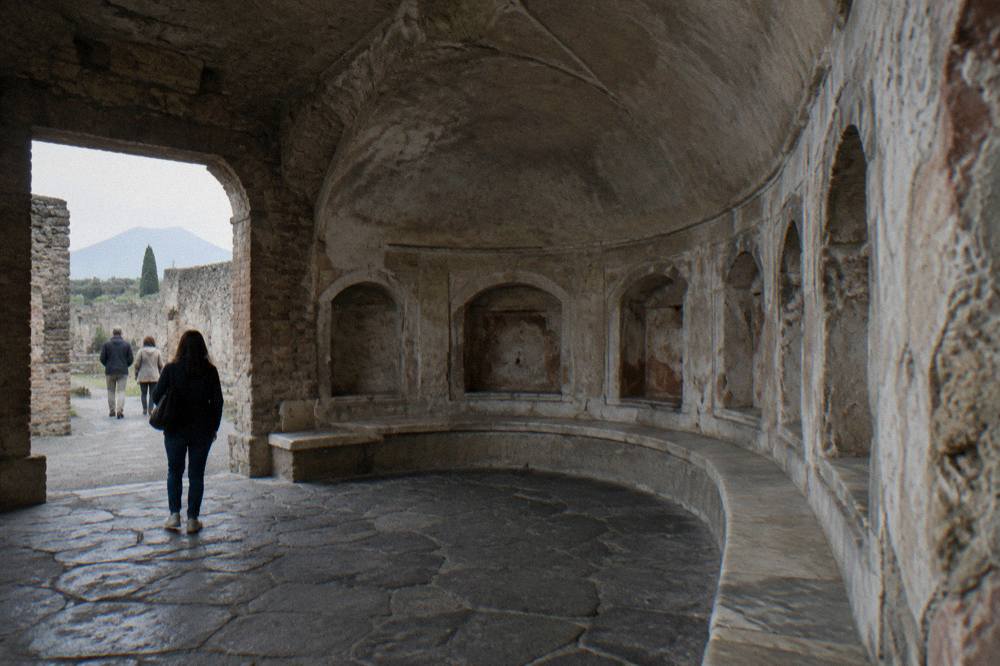
With four to five hours, a spine route beats an ambition to see everything. The 44-hectare excavated area cannot be covered in a day-trip window, and the Pompeii in one day itinerary is the site's detailed answer to sequencing; the half-day highlights route fits the tighter end of a from-Rome schedule. Enter at Porta Marina, the entrance nearest the Circumvesuviana station, and the Forum complex opens the visit with the Temple of Apollo and the Basilica within a few minutes' walk.
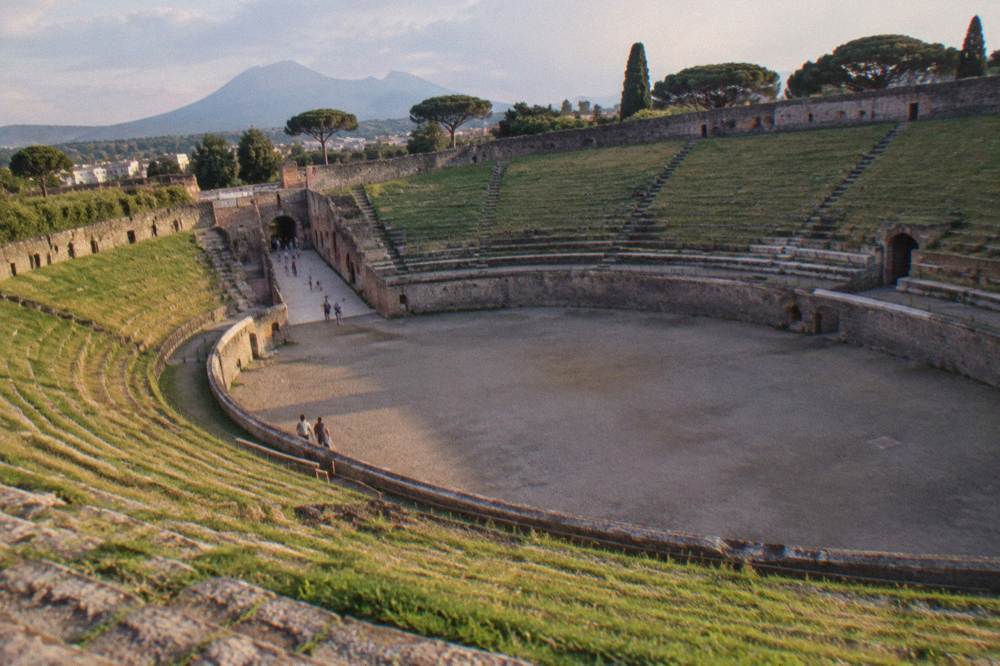
The houses are the reason Pompeii is not just a pile of stones. The House of the Faun carries the famous Alexander mosaic setting, the House of the Vettii shows frescoed commercial wealth, and the Garden of the Fugitives preserves the plaster casts that move many visitors, a subject the Pompeii body casts guide treats with the care it deserves. The Via dell'Abbondanza, the main decumanus, links the Forum end toward the Amphitheatre and the Large Palaestra. The Pompeii vs Herculaneum comparison is worth reading before the trip, because travellers with two days sometimes split them between the two sites, and the question can you do Herculaneum and Pompeii in one day has a qualified yes as its answer when the day starts from Naples rather than Rome.
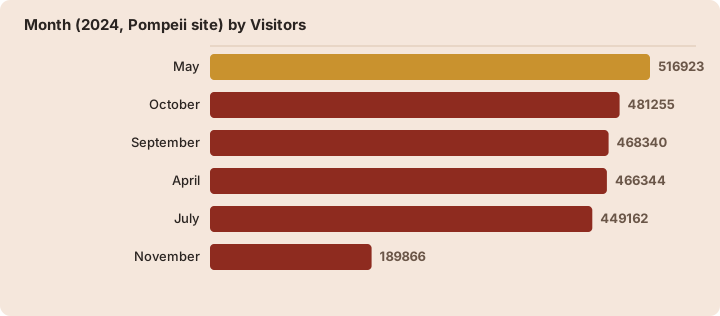
| Month (2024, Pompeii site) | Visitors |
|---|---|
| May | 516,923 |
| October | 481,255 |
| September | 468,340 |
| April | 466,344 |
| July | 449,162 |
| November | 189,866 |
Where Do The Entrances And The Train Station Sit For Day-Trippers?
The station for the excavations is Pompei Scavi-Villa dei Misteri, and the entrance nearest it is Porta Marina; the park's other ticket offices are at Piazza Esedra and Piazza Anfiteatro, with Porta Ercolano / Street of the Tombs serving the suburban villas route. Independent travellers arriving by Circumvesuviana walk straight from the station to Porta Marina, while tour groups are typically delivered to whichever gate the itinerary uses.
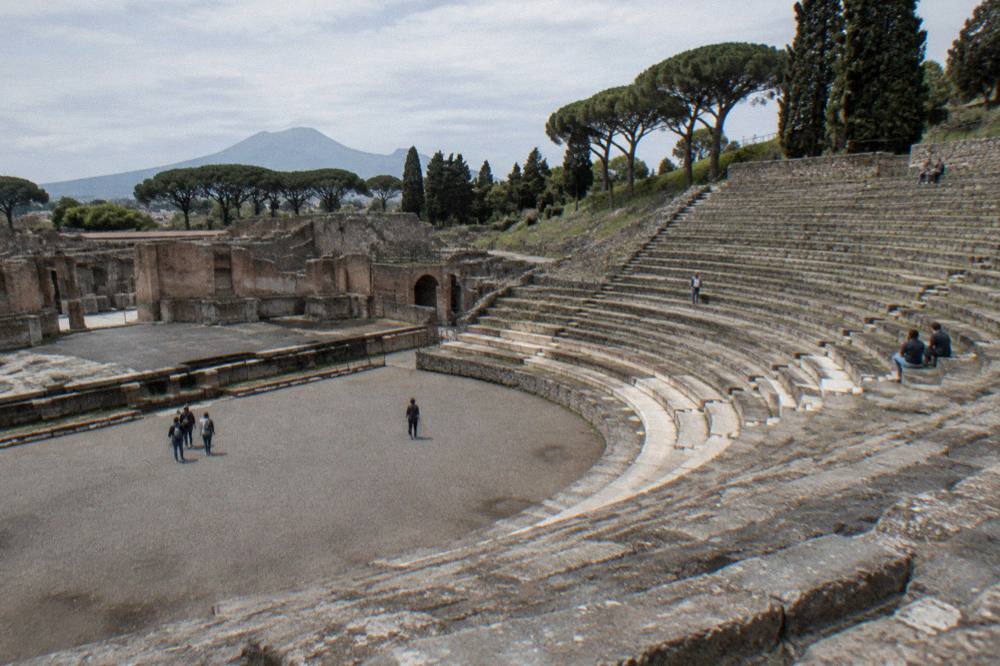
The geography rewards a little thought. Porta Marina sits at the south-west corner of the city, closest to the station and the Forum; Piazza Anfiteatro serves the north-east corner near the Amphitheatre and the accessible "Pompeii for All" route, which visitors with mobility difficulties enter at Piazza Anfiteatro and may exit at Piazza Anfiteatro or Piazza Esedra via the Antiquarium lift. Piazza Esedra is the central option. Choosing an entrance to match your route saves backtracking across a site where the streets are Roman, uneven and unshaded.
The station name is a spelling trap in itself: the modern town is Pompei, the ancient city is Pompeii, and the station sign reads Pompei Scavi-Villa dei Misteri. The Pompeii Scavi train station guide covers the arrival practicalities, and the question of walking from the station to the ruins has a short answer: the walk from the station to Porta Marina is brief and signposted.
| Entrance | Where It Sits | Best For |
|---|---|---|
| Porta Marina | South-west corner, nearest the station | Independent arrivals by train, Forum first |
| Piazza Esedra | Central area | Mid-city routes, accessible exit via Antiquarium lift |
| Piazza Anfiteatro | North-east corner | Amphitheatre, "Pompeii for All" accessible route |
| Porta Ercolano / Street of the Tombs | West edge | Suburban villas route, the EUR 8 Express add-on |
When Is The Best Season For A Rome To Pompeii Day Trip?
April, May, June, September and October offer the best balance of long opening hours and bearable heat, with the park open 9:00 to 19:00 from 16 March to 14 October. July and August bring the highest temperatures, a mean daily maximum of about 29.4 C in August at the Pompei grid point, while the winter season shortens the day to a 15:30 last entry, which is punishing on a from-Rome schedule.
The climate record for Pompei, computed from the Open-Meteo historical archive for the 1991-2020 period, shows why summer needs respect. July is the driest month at about 16 mm of rain and August the hottest with a mean daily maximum of about 29.4 C; November is the wettest at about 180 mm. These are reanalysis grid figures rather than station readings, so treat them as approximate. The Pompeii summer heat plan and the weather and best time guide turn the numbers into hour-by-hour tactics: water, shade stops, and an early entry in the hot months.
Winter day trips from Rome are possible but compressed. From 15 October to 15 March the park opens at 9:00, takes its last entry at 15:30 and closes at 17:00, which collides badly with a morning departure from Rome. The first Sunday of every month is free for everyone, and the park has recorded more than 36,000 visitors on a single free first Sunday, a figure that should deter anyone from combining a free day with a long-distance day trip; the free entry days guide has the detail.
| Season | Hours | Last Entry |
|---|---|---|
| 16 Mar to 14 Oct | 9:00 to 19:00 | 17:30 |
| 15 Oct to 15 Mar | 9:00 to 17:00 | 15:30 |
What Are The Alternatives If You Base In Naples Or Sorrento Instead?
Basing in Naples or Sorrento turns the same visit into a short trip: Naples is 24 km from the excavations with a 29-to-35-minute Circumvesuviana ride, and Sorrento is 26 km with a 34-to-40-minute ride from Pompei Scavi. Travellers who can shift a night south gain hours inside the park and unlock two-site days, such as pairing Pompeii with Vesuvius, that a Rome base cannot support.
The economics of the day change completely from a closer base. From Naples, the question can Pompeii be a day trip from Naples answers itself with the distance table above, and a morning in the ruins can be followed by an afternoon on the volcano, with Vesuvius tickets sold online only at EUR 11.68 full and EUR 9.55 reduced as sold, per the national park's own page, a subject the Mount Vesuvius tickets guide covers along with the question of buying Vesuvius tickets on the day. From Sorrento, the best way to visit from Sorrento is a short train ride, and the coast itself, described in the Amalfi Coast guide, becomes an easy second act rather than a rushed add-on.
For readers set on Rome, none of this is a reason to abandon the day trip; it is a reason to book the format that fits. A from-Rome tour with the coast included, like the featured From Rome: Pompeii, Amalfi Coast, and Sorrento Day Trip, delivers the region's headline sights in one long day, and the Rome to Pompeii day trip guide on this site settles the basic geography question for anyone still confused about which city the ruins belong to.
The Naples-based pairing of Pompeii and Vesuvius with a pizza lunch is the natural upgrade once a night in Naples enters the plan, and it is the tour that a Rome-based traveller with an extra day most often ends up taking instead of a second long round trip. The Naples vs Sorrento base guide compares the two staging cities properly.
From Sorrento, the skip-the-line express tour by train is the short-format option, a contrast worth seeing beside the from-Rome products: same ruins, a fraction of the travel. The Sorrento day trips overview collects the other options from that base, including the question of whether a Capri day trip from Sorrento is worth it.
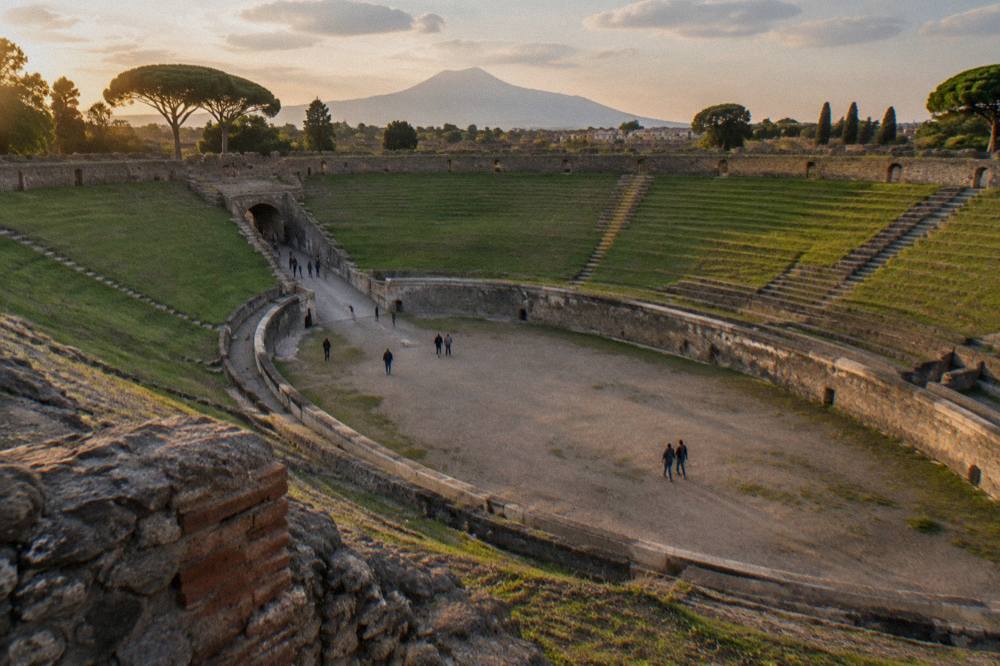
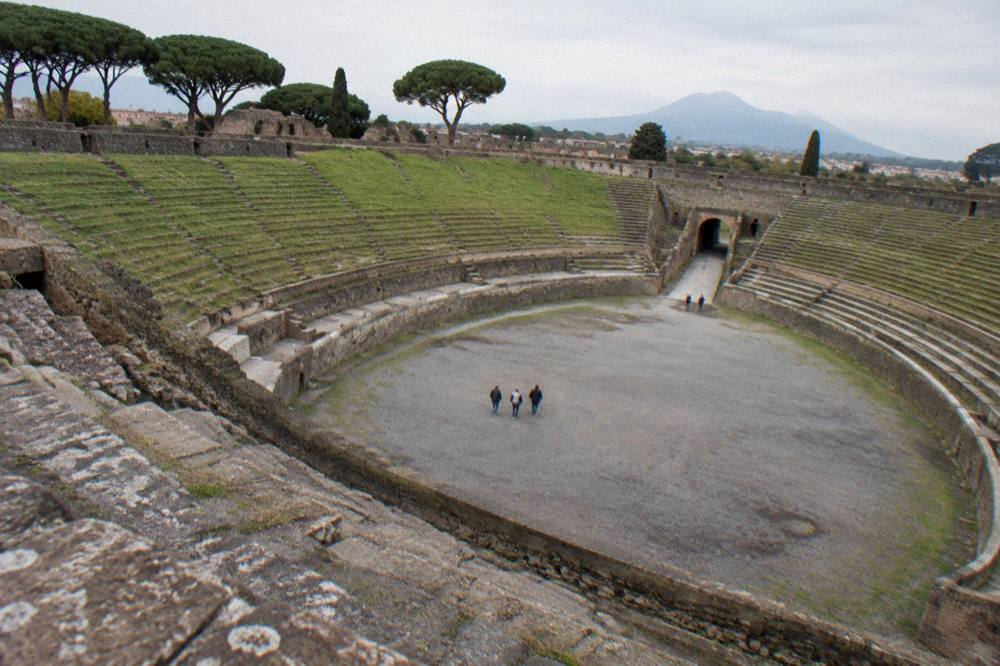
The final choice, for most readers, is between certainty and flexibility. A booked from-Rome tour with transport and a guide converts a complicated 234 km round trip into a single decision made from a sofa, and the free-cancellation terms on the operator's live listing make that decision reversible. The independent route saves money and hands you the clock, at the cost of a Naples connection, a nominative ticket bought in advance and an early start. Either way, the park, the 44 excavated hectares and the shadow of Vesuvius are the same; the Pompeii Travel Guide homepage collects every planning page this site has written if any piece of the day still needs an answer.
Common Questions About The Rome To Pompeii Day Trip
How Far Is Pompeii From Rome and Is a Day Trip Realistic?
Yes, but it is a full-day commitment. The road distance is 234 km, about 2 hours 40 minutes each way, and the park's summer last entry is 17:30 with closing at 19:00, leaving roughly four to five hours on site.
What Are the Best Ways to Travel From Rome to Pompeii?
A guided day-trip tour with transport, a self-managed train to Naples plus the Circumvesuviana to Pompei Scavi-Villa dei Misteri, or a private driver. The Campania Express has been suspended since 1 October 2026, so the Circumvesuviana is the rail link that matters.
What Do Pompeii Tickets Cost in 2026?
The Pompeii Express ticket costs EUR 20, Pompeii+ costs EUR 25 and the 3-day ticket costs EUR 30, prices in force until 31 December 2026. From 1 January 2027 a single EUR 25 ticket covers all park sites, valid 30 days with one entry per site. Entry is free for under-18s and for everyone on the first Sunday of the month.
How Much Time Do You Get Inside Pompeii on a From-Rome Day Trip?
Roughly four to five hours on a tour itinerary, or up to six if you travel independently and time the last entry well. The daily cap is 20,000 visitors, with 15,000 allowed in the 9:00 to 13:00 band and 5,000 from 13:00 to 17:30 in the summer season.
When Is the Best Season for a Rome to Pompeii Day Trip?
April, May, June, September and October balance long hours with bearable heat. July and August are the hottest months, with a mean daily maximum of about 29.4 C in August, and the winter season's 15:30 last entry is punishing on a from-Rome schedule.
Which Entrance Should a Day-Tripper Use at Pompeii?
Independent arrivals by train should use Porta Marina, the entrance nearest Pompei Scavi-Villa dei Misteri station. The other ticket offices are at Piazza Esedra and Piazza Anfiteatro, and Porta Ercolano / Street of the Tombs serves the suburban villas route.
The honest closing word is that a Rome to Pompeii day trip works, thousands of travellers do it every week of the season, and the difference between a good one and an exhausting one is almost entirely planning: the right ticket bought in advance, an entrance matched to the route, a season chosen with the climate table in mind, and a clear decision between the booked tour and the independent train.