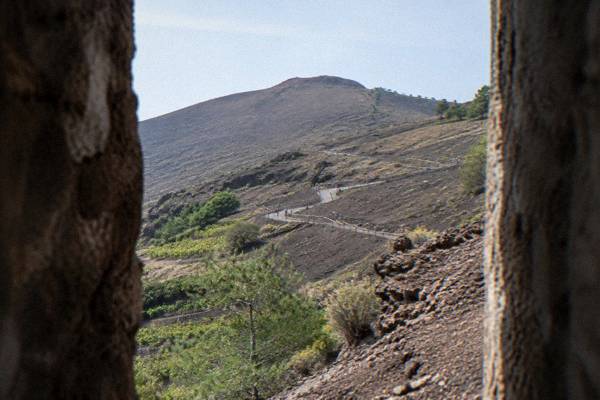
Is Vesuvius Ever Going To Erupt Again?
Mount Vesuvius, the volcano that buried Pompeii in southern Italy in AD 79, is dormant rather than extinct. What monitoring around Naples says about a future eruption, and what it means for visitors.
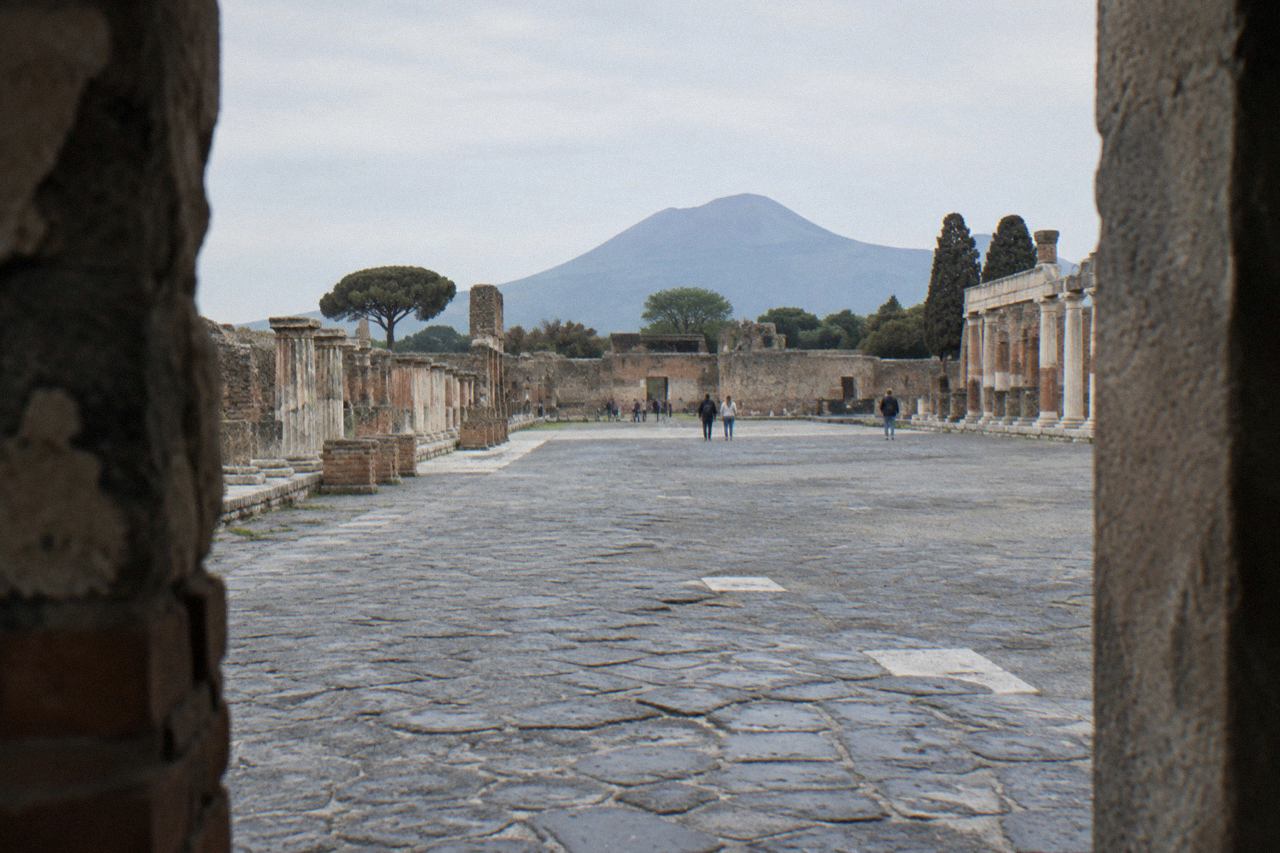
Vesuvius is the volcano that destroyed the ancient Roman city of Pompeii, in Campania, southern Italy, in an eruption traditionally dated to 24 August AD 79, a date scholars still debate. The mountain stands directly beside the modern town of Pompei, and roughly three million people live in the provinces around it. The short answer to the question on this page is yes: Vesuvius is an active volcano, not an extinct one, and the scientific consensus is that it will erupt again. What nobody can give you is a date, and any page that promises one is guessing. The volcano is among the watchfully monitored on earth, which is a different thing from being predictable.
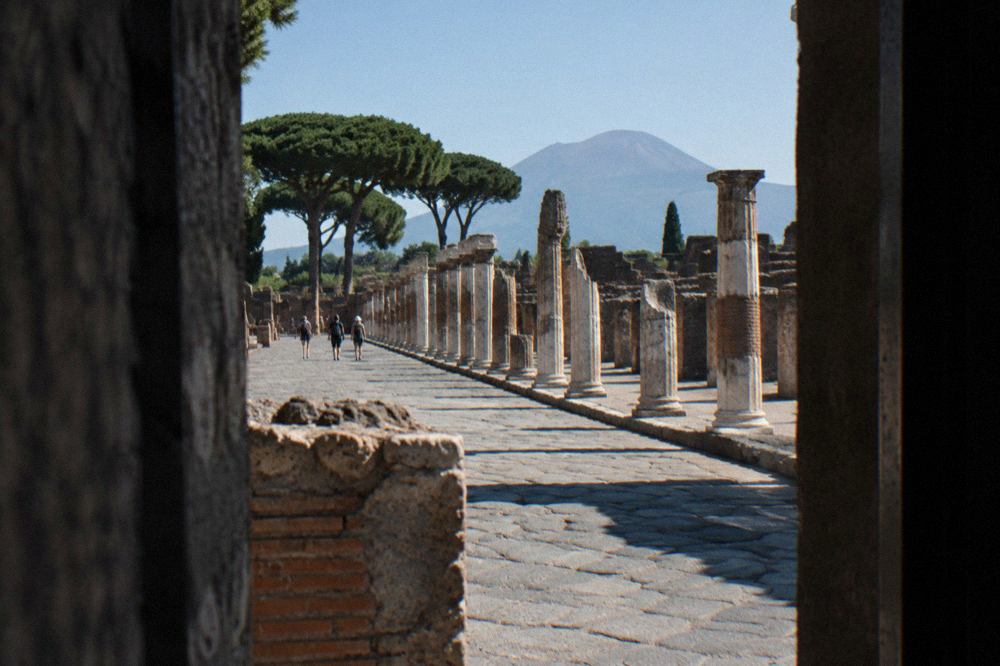
Is Vesuvius Ever Going To Erupt Again?
Yes. Vesuvius is classified as an active volcano, and volcanologists agree it will erupt again, because it has a live magma system and a long recorded history of eruptions between long quiet spells. Its last eruption was in 1944, and the pauses between its major eruptions have historically spanned centuries. An active volcano with people living on its slopes is monitored intensively, so the realistic risk to a visitor is very low. There is no known timetable, and no scientist publishes one.
That last point deserves emphasis, because the internet is full of confident predictions. Vesuvius does not run on a schedule that anyone has cracked. What volcanology can say is structural: the volcano has a history of long dormancy followed by eruptions, the 1944 eruption ended a cycle of smaller events, and since then the mountain has been quiet. That quiet is exactly why the surrounding region is wired with instruments.
A useful distinction runs through everything on this page: extinct means the magma supply is dead, dormant means the system is sleeping, and active covers anything with the capacity to erupt. Vesuvius sits firmly in the active category. The crater you can walk to on the Gran Cono trail is a visible reminder, a bowl of altered rock and fumaroles rather than a sealed, grassed-over scar.
For context on what the mountain did in antiquity, the eruption that buried Pompeii is covered in detail on the page When Did Vesuvius Erupt, including the manuscript evidence behind the traditional 24 August date.
What Scientists Say About A Future Eruption Of Vesuvius
The scientific position is that a future eruption is certain on a geological timescale but unknowable on a human one. Researchers describe Vesuvius as one of the world's closely watched volcanoes precisely because its past eruptions were destructive and its surroundings are densely populated. No alert level, precursor signal or eruption window is published for it that visitors need to track. Planning a trip around a predicted eruption is impossible, because no such prediction exists.
The reasoning scientists give is historical. Between the great eruption of antiquity and 1944, Vesuvius erupted repeatedly, sometimes at intervals of a few decades. After 1944 the volcano fell silent, and that silence is now longer than many of the gaps that preceded earlier eruptions. Volcanologists read this as a mountain in repose, storing energy, not as a mountain that has finished.
The comparison people often reach for is Naples itself, which sits closer to an even larger volcanic system, the Campi Flegrei caldera, and has never been destroyed by it. That story, and why the AD 79 eruption spared the city while burying Pompeii and Herculaneum, is explained on the page Why Wasn't Naples Destroyed By Vesuvius.
What this means in practice is that the risk conversation around Vesuvius is a civil-protection conversation, about evacuation planning for the towns on the slopes, not a traveller's conversation. The national park that runs the crater trail sells timed tickets daily and closes the path automatically on an orange weather alert or higher, with an automatic refund. Weather closes the mountain far ahead of any volcanic concern.
Seeing the crater in person is the surest way to move from the abstract question to a real sense of the mountain. The practicalities of getting up there, from the parking area to the path, are laid out on the guide to How To Visit Mount Vesuvius.
Is It Safe To Visit Pompeii And Vesuvius In Italy Today?
Yes. Pompeii, the archaeological park beside modern Pompei in southern Italy, and the Vesuvius crater trail are both ordinary, open, ticketed visitor attractions, operating daily under a national park and an archaeological park authority. Nothing about the volcano's status closes either site, and the hazards signposted to visitors are heat, uneven stone and weather, not eruption. Millions of people visited Pompeii in each recent year on record.
The official visitor numbers make the point better than reassurance could. The park's own statistics table records 4,000,090 visitors to the Pompeii site in 2025, following 4,069,377 in 2024 and 3,985,424 in 2023. Those are people who came, walked the ancient streets, and left, in the shadow of the same volcano. The record peak for a single day, more than 36,000 visitors on one free first Sunday, shows the site absorbing enormous crowds without any volcanic dimension at all.
On the volcano itself, the rules are strict and mundane. Tickets for the Gran Cono trail are sold online only, as timed slots, EUR 11.68 full and EUR 9.55 reduced as sold, bookable up to 30 days ahead, with 10 last-minute tickets per slot released from 30 minutes before, in the visitor's name since 11 April 2026. Daily caps run from 2,160 to 3,240 visitors. The closure trigger is meteorological: an orange weather alert shuts the ticket office and path automatically, and the refund follows automatically too.
| Gran Cono Trail Rule | What Applies |
|---|---|
| Ticket sales | Online only, timed slots, up to 30 days ahead |
| Price as sold | EUR 11.68 full, EUR 9.55 reduced |
| Last-minute tickets | 10 per slot, from 30 minutes before, nominative since 11 April 2026 |
| Daily caps | 2,160 to 3,240 visitors |
| Automatic closure | Orange weather alert or higher, with automatic refund |
| Free entry | Children under 6 |
For travellers weighing which half of the pair to do first, the practical answer is on the page Is It Better To Do Pompeii Or Vesuvius First.
If the idea of standing on a dormant volcano appeals, one structured way to do both sides of the mountain in a single day is the Exclusive Pompeii & Vesuvius Tour with Lunch from Naples, a small-group day that moves from the excavations to the volcano's slopes with lunch included. Check availability
How Vesuvius Is Monitored Around Naples
Vesuvius is under continuous instrumental surveillance, with seismic networks, ground-deformation sensors and gas measurements feeding a permanent observatory structure dedicated to the Neapolitan volcanoes. The purpose is early warning on a scale of days to weeks, not prediction on a scale of years. The monitoring exists precisely so that quiet is a measured fact rather than an assumption.
The monitoring effort is the practical answer to the fear behind the original question. Instruments on and around the volcano register earthquakes, ground movement and gas composition continuously. An eruption large enough to threaten the surrounding towns would announce itself in that data long before it announced itself in the sky, which is the basis on which civil authorities plan the region's evacuation arrangements.
For a visitor, none of this requires any action. The trail, the park, and the excavations below all operate under the same authorities that receive the monitoring data. If the mountain ever gave scientists reason to close access, the closure would be the first thing a traveller encountered, well before any hazard.
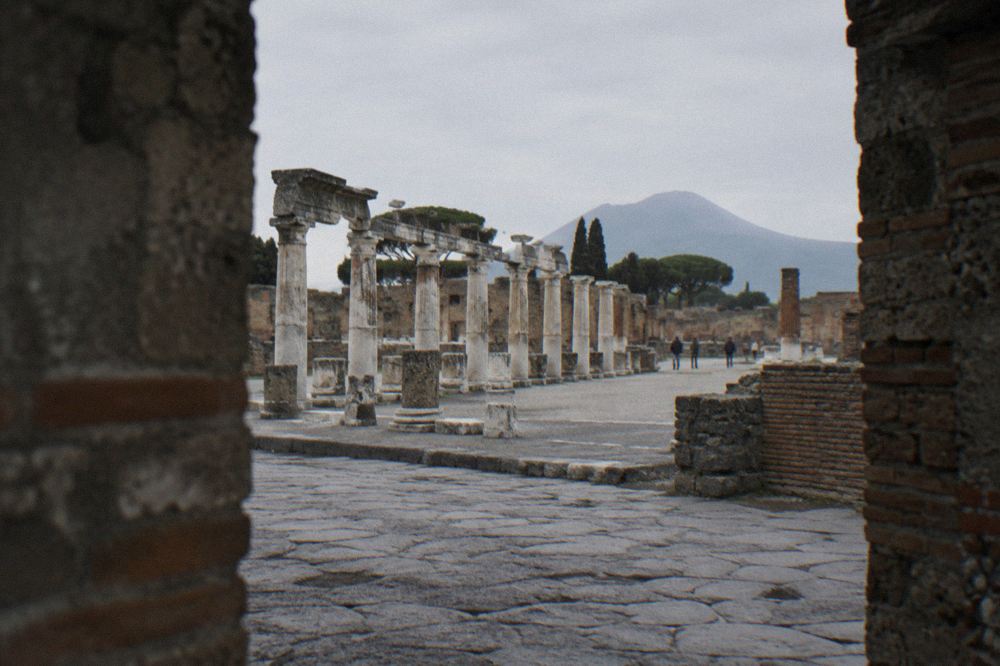
A reasonable related worry is the walk itself rather than the volcano. The page How Long Is The Walk Up Vesuvius covers the actual exertion, and the trail's seasonal access hours are below.
| Months | Gran Cono Access Hours |
|---|---|
| January, February, November, December | 09:00-15:00 |
| March and October | 09:00-16:00 |
| April, May, June, September | 09:00-17:00 |
| July and August | 09:00-18:00 |
What An Eruption Would Mean For Modern Pompei
Any future eruption would be managed as a civil-protection event for the whole Vesuvian area, not as a visitor problem. The towns around the volcano, including modern Pompei beside the ancient site, sit within planned evacuation zones drawn by regional authorities, and the excavation sites themselves would close. The honest statement is that plans exist and dates do not.
It helps to separate the ancient catastrophe from the modern reality. The AD 79 eruption buried Pompeii and Herculaneum because neither town had warning systems, evacuation plans or an observatory. The modern region has all three. The eruption that destroyed the cities was a once-in-millennia event in its scale, and the mountain's behaviour since, including the 1944 eruption, has been far smaller. Neither fact makes a future eruption impossible, and neither makes it imminent.
For readers curious about whether the ancient inhabitants saw it coming, the evidence for what Pompeii's residents knew of the danger is examined on the page Did Pompeii Know Vesuvius Was Going To Erupt.
The last eruption's human cost, in 1944, is a separate story with its own page, How Many People Died When Mount Vesuvius Erupted In 1944, and it is a useful corrective to imagining that every Vesuvius eruption looks like the one that buried Pompeii.
Planning A Visit While The Volcano Sleeps
The practical takeaway is that a dormant, monitored Vesuvius is a destination, not a hazard to be timed. Book the crater trail as a timed online slot, expect a walk of about two to three hours return depending on the route, and treat weather as the only closure risk. Pair the volcano with Pompeii itself, and let the excavations carry the day. The mountain's geological future is nobody's itinerary problem.
Visitors building a combined day will find a ready-made structure on the itinerary page Pompeii And Vesuvius In One Day, and those with more time can spread the region's sites across the plan on Two Days Pompeii Herculaneum Vesuvius. The question of whether the summit view justifies the climb has its own honest answer on Is It Worth Going Up Mount Vesuvius.
The volcano's darker role in history is what draws travellers to this stretch of Campania in the first place, and the full story of why the mountain looms so large in the imagination is told on the page Why Is Vesuvius So Famous. For everything practical about the archaeological park at its foot, the site's own Pompeii Travel Guide homepage is the starting point, and the wine grown on those same volcanic slopes has its own guide at Pompeii Wine And Vesuvius Wine Tasting.
Common Questions About Vesuvius Erupting Again
Is Vesuvius ever going to erupt again?
Yes. Vesuvius is an active volcano with a live magma system and a long record of eruptions, most recently in 1944, and scientists expect it to erupt again at some point. No timetable exists, and no published prediction gives a year, a decade or a window. The volcano is continuously monitored, so a future eruption would be preceded by measurable signals rather than arriving unannounced.
Is Vesuvius still active or dormant?
Both words apply, depending on definition. Vesuvius is active in the technical sense that its magma system is capable of future eruptions, and dormant in the everyday sense that nothing has happened since 1944. It is not extinct: the crater still shows fumarolic activity, and the mountain is under permanent instrumental watch.
Is it dangerous to visit Pompeii because of the volcano?
No. Pompeii, the archaeological park beside modern Pompei in Campania, operates as a normal ticketed attraction and recorded 4,000,090 visitors in 2025. The site's everyday risks are heat, uneven Roman paving and crowding, not the volcano. Any volcanic threat would appear in monitoring data long before it affected a visit, and the site would close first.
Can scientists predict when Vesuvius will erupt?
No. Volcanology can detect precursors such as earthquakes, ground deformation and gas changes, which support warnings on a scale of days to weeks, but it cannot forecast a distant eruption date. No scientist or observatory publishes a prediction for Vesuvius, and any claim of a specific future date should be treated as fiction.
What would happen to the towns around Vesuvius if it erupted?
Regional civil-protection authorities maintain evacuation plans for the municipalities on the volcano's slopes. A future eruption would be managed as a civil-protection event, with monitored warnings, closures and evacuations.
Vesuvius will erupt again, on a timescale measured in decades or centuries that nobody can read. What a traveller can read is the mountain itself: a monitored, ticketed, weather-closed national park above an ancient city that four million people a year come to walk. The science says go, and the trail is open.