Is There A Dress Code For Pompeii?
No official dress code applies at Pompeii, but the archaeological park in Campania, Italy bans bare chests and caps bag sizes. Here is what to wear for stone streets, sun and season.
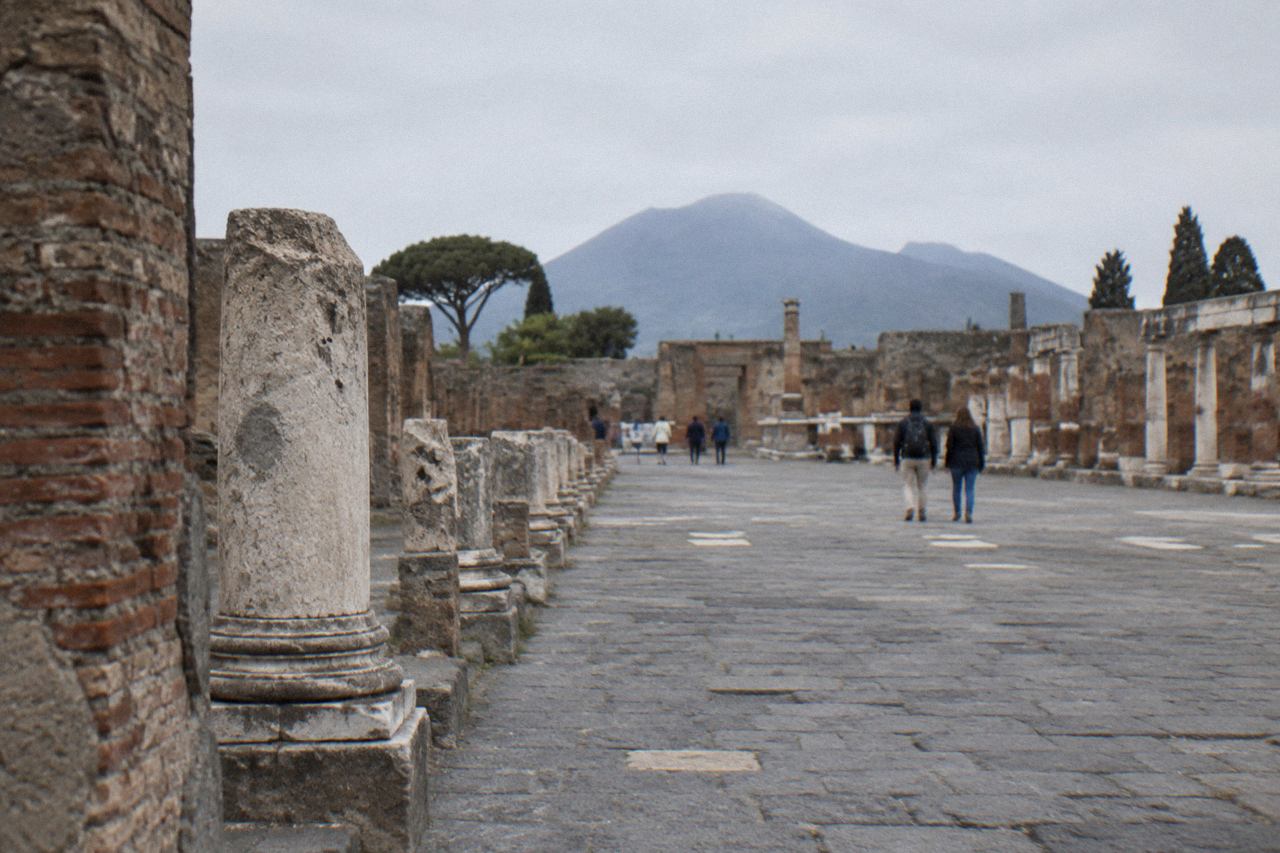
The ancient Roman city of Pompeii, buried by the eruption of Mount Vesuvius in AD 79 and now an archaeological park in Campania, southern Italy, sits beside the modern town of Pompei about 24 km south-east of Naples. Unlike a cathedral or a state palace, it imposes no dress code on visitors: there is no covered-shoulders rule, no long-trousers rule and no check at the gate for modest hemlines. The park's published visitor regulations mention clothing exactly once, and it is not about modesty, it is about not walking around bare chested.
Is There A Dress Code For Pompeii?
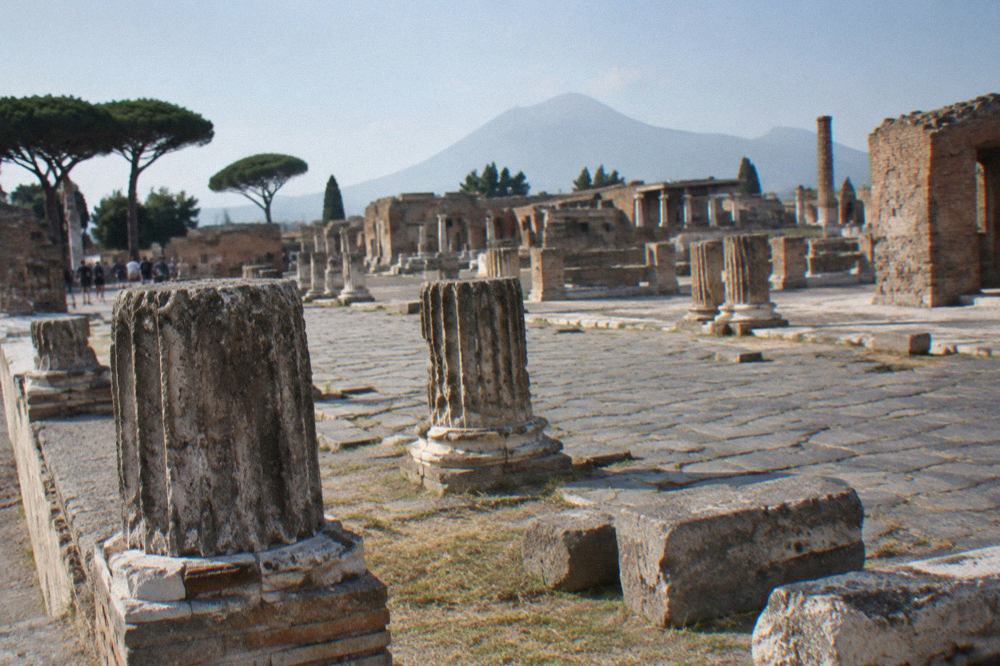
No, Pompeii has no dress code in the way a church or fine restaurant does; the official visitor regulations on pompeiisites.org contain a single clothing rule, banning bare chests. There is no requirement to cover shoulders, knees or hair, no restriction on shorts, skirts or sleeveless tops, and no entry check on fabric or fit, so the real constraints are hard uneven stone, exposed sun, and the bag size limit.
That single clothing rule sits inside a regulations page that is mostly about tickets, identification and prohibited items. Drones need authorisation, bags above the stated size of 30 x 30 x 15 cm go to left luggage, and tickets are nominative, in the visitor's own name, non-transferable and non-refundable except for an extraordinary closure, with ID checkable at every entry since 15 November 2024. Clothing barely registers. A visitor in a t-shirt and training shoes fits the regulations exactly as well as a visitor in linen and leather sandals.
This often surprises travellers who have come from Rome or Naples, where the churches enforce strict cover-up rules and the habit carries over. Pompeii is an open-air ruin, not a place of active worship, and the park treats it accordingly. That said, the site does contain shrines, altars and temples from the ancient city, and some visitors choose out of respect to avoid beachwear beyond the bare-chest rule; that is a personal choice, not a regulation.
If the goal is simply to be comfortable and compliant, the planning question shifts from "what is allowed" to "what works on basalt in July". The rest of this page works through that question season by season, because the answer changes dramatically between a February morning at about 6.5 degrees mean minimum and an August afternoon at about 29.4 degrees mean daily maximum, according to the 1991-2020 climate normals for the Pompei grid point.
What The Park Rules Actually Say About Clothing And Bags
The park's regulations name one clothing rule, bare chests prohibited, and one size rule that indirectly affects clothing: bags larger than 30 x 30 x 15 cm must go to left luggage rather than through the turnstiles. Drones are banned without authorisation. There is no rule about hats, sunglasses, colours, footwear, head coverings or religious dress of any kind. The same page sets the identification rules, nominative tickets checked against ID at every entrance, and the closure dates, 25 December and 1 January unless otherwise communicated.
The bag limit deserves a moment of thought because it interacts with clothing more than any dress rule does. A small daypack or cross-body bag within the size limit travels with you; a beach tote or a large rucksack does not. On a hot day that pushes the sensible choice toward clothing with pockets, a light layer tied at the waist, and a small bag holding only water, sunscreen and a hat. The limit exists for conservation and security reasons across the whole 44-hectare excavated area, and it applies at the three ticket offices at Porta Marina, Piazza Esedra and Piazza Anfiteatro alike.
| Park rule (2026 regulations) | What it means for clothing | Applies to |
|---|---|---|
| Bare chests prohibited | Wear at least a top; no shirtlessness | All visitors, all entrances |
| Bags max 30 x 30 x 15 cm | Small daypack only; larger bags to left luggage | Porta Marina, Piazza Esedra, Piazza Anfiteatro |
| Drones prohibited without authorisation | No camera-carrying apparel tricks; leave the drone | Whole park |
| Nominative tickets, ID check | Named holder must be present, dressed or not | Every entry point |
| Closed 25 Dec and 1 Jan | Plan around the two annual closures | Whole park |
None of this adds up to a dress code. It adds up to a short list of prohibitions aimed at conservation, security and crowd flow, under the daily cap of 20,000 visitors in force since 15 November 2024. If the question behind the question is whether anything you own will get you turned away, the honest answer is that only a bare chest and an oversized bag will.
For travellers weighing whether a guided visit adds anything, the choice of tour matters more than the wardrobe. A private guide, for instance, lets one group set its own pace in the shade order that suits the weather; Check availability on the operator's live listing, and see also our longer piece on choosing the best tour for Pompeii.
What To Wear To Pompeii In Summer Heat
Summer at Pompeii means about 28.7 to 29.4 degrees mean daily maximum in July and August, almost no rain, about 16 to 22 mm per month, and long stretches of exposed stone with limited shade. Loose, light-coloured, breathable clothing works best: a wide-brimmed hat, a covering for the shoulders and neck, sunglasses and high-factor sunscreen. There is no rule against shorts or vests, but uncovered skin burns on the site, and the stone radiates heat back upward through the whole visit.
The climate record for the Pompei grid point, computed from the 1991-2020 ERA5 reanalysis archive rather than a weather station, so figures are approximate, shows how sharply the year divides. July is the driest month at about 16 mm of rain; November is the wettest at about 180 mm. Between May and September the mean daily maximum runs from about 21.6 to 29.4 degrees, and the excavated city offers stone, not trees. Planning around that reality is the difference between a four-hour visit and a one-hour retreat, a theme expanded in our guide on the park's ticket options and timing.
| Month (Pompei normals, 1991-2020) | Mean daily max | Mean daily min | Rain | Sensible clothing approach |
|---|---|---|---|---|
| Jun | about 25.8 C | about 18.2 C | about 30 mm | Light layers, hat, water |
| Jul | about 28.7 C | about 21.1 C | about 16 mm | Loose cotton or linen, covered shoulders |
| Aug | about 29.4 C | about 21.8 C | about 22 mm | As July, plus midday shade breaks |
| Sep | about 25.3 C | about 18.6 C | about 90 mm | Light layers, pack a light rain layer |
| Nov | about 16.9 C | about 11.5 C | about 180 mm | Warm layer, waterproof, grippy shoes |
| Feb | about 12.6 C | about 6.5 C | about 103 mm | Warm jacket, layers, waterproof |
Two details from the site itself compound the heat. First, the paving, ancient basalt and lava stone, absorbs sun all day and gives it back through shoes and reflected light. Second, the time-slot system pushes entries into defined windows, 09:00-13:00 with up to 15,000 entries and 13:00-17:30 with up to 5,000 in the 16 March to 14 October period, so an afternoon ticket in August means walking the hottest stones at their hottest. The free first Sundays, which the park reports drawing more than 36,000 visitors on a single day, add crowds to the heat; dress for both.
Which Shoes Work On Pompeii's Stone Streets
Closed, sturdy, grippy footwear with a sole thick enough to insulate against hot stone is the single most important clothing decision at Pompeii. The ancient streets are paved with irregular basalt blocks, crossed by high stepping stones, rutted by two millennia of wear, and unforgiving on thin soles. Flip-flops, smooth-soled dress shoes and brand-new leather sandals all fail here in different ways. Trainers, walking shoes or broken-in hiking sandals with tread handle the surface, the uneven edges and the standing time that a visit demands.
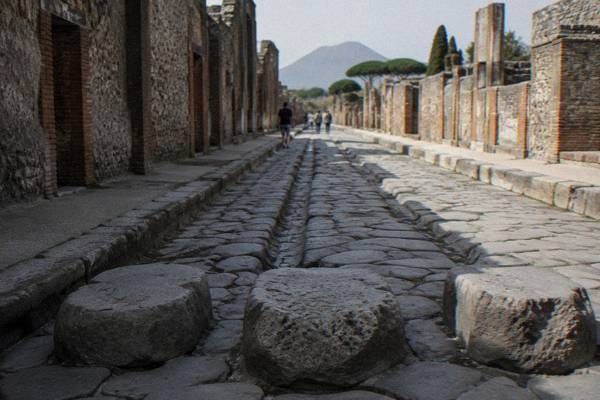
The surface is genuinely old. These are the original Roman paving stones of streets like the Via dell'Abbondanza, polished and broken in places, with deep cart ruts and raised crossing stones that were designed for ancient foot traffic, not modern comfort. Add loose gravel in excavated areas and dust in summer, and the case for real shoes makes itself. Our companion answer on how difficult it is to walk in Pompeii covers the terrain in detail; the short version for clothing purposes is that footwear determines how far into the 44 excavated hectares a visit comfortably reaches.
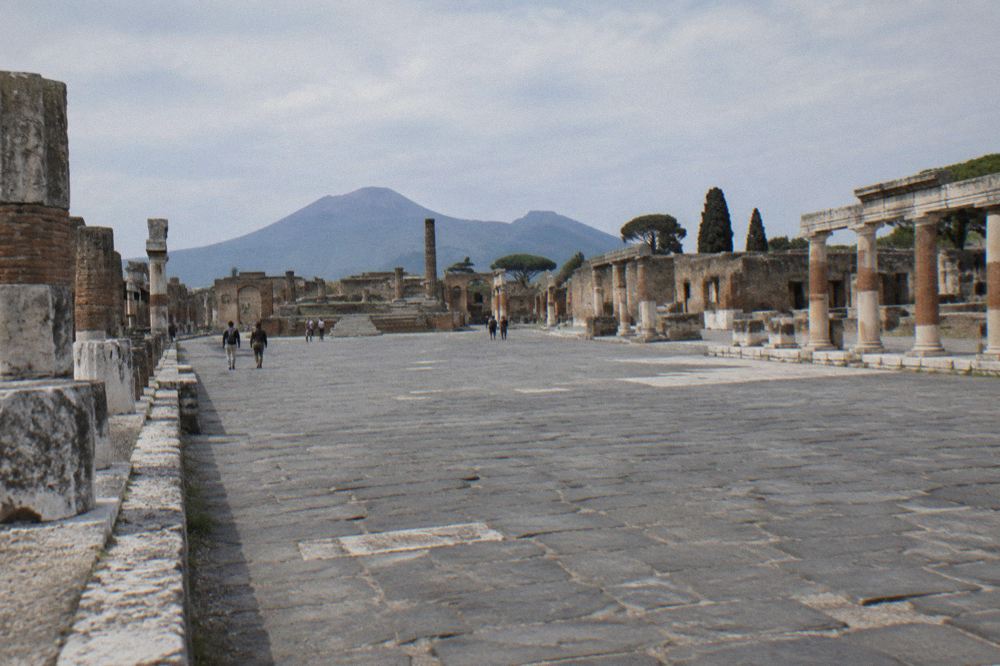
One seasonal footnote: in the coldest months, February shows a mean daily minimum of about 6.5 degrees, wet stone becomes slick stone, and November's roughly 180 mm of rain makes tread matter as much as insulation. The footwear answer barely changes across the year. Only its reason does, heat insulation in summer, grip in winter.
Travellers combining the park with the volcano face a second surface entirely, the Gran Cono trail on Vesuvius, where the excursion runs 2 hours return on the shortest route to 3 hours on the longest, according to the national park's own trail page. A combined day trip that pairs the ruins with the crater, lunch included, is one way to do both surfaces in one wardrobe; Check availability for current dates and pricing.
Do You Need Modest Dress For Temples Or Special Areas?
No area of Pompeii enforces a modesty dress code, including the temples, shrines and domestic shrines within the excavated city. Unlike active churches in nearby Naples and Rome, the park's religious structures are ruins without functioning congregations, and no sign, regulation or ticket condition asks visitors to cover shoulders, knees or hair anywhere inside. Religious head coverings and dress of any tradition are equally unproblematic, since nothing in the regulations restricts them, and the only clothing prohibition in force remains the park-wide bare chest ban.
Visitors coming from Rome's basilicas often arrive with a scarf "just in case", and it does no harm, but it serves no compliance purpose here. The distinction is worth stating plainly because several popular travel forums conflate Italian church dress codes with archaeological sites generally. Pompeii's own regulations page, the same document that lists the bag size, the drone ban and the identification rules, is the governing text, and clothing appears once in it.
The one genuinely special-access consideration is not about modesty but mobility: the "Pompeii for All" route admits visitors with mobility difficulties at Piazza Anfiteatro, with exit options at Piazza Anfiteatro or Piazza Esedra via the Antiquarium lift, per the park's regulations page. Practical clothing for that route follows the same logic as the rest of the site, sun protection and steady footwear, with no separate dress conditions attached.
Should You Cover Up Out Of Respect At All?
Whether to cover up out of respect is your call, since the park asks only that chests be covered, but many travellers choose ordinary summer clothing anyway. Pompeii was a living city where thousands died in the eruption traditionally dated to 24 August AD 79, and plaster casts of some victims are displayed on site, so some visitors feel that beachwear sits oddly against that history.
The eruption date itself, incidentally, is a live scholarly question: the traditional manuscript date is 24 August, while the park's own e-journal states the 24 October alternative has no evidentiary basis and stems from a 1929 misreading, without settling on either. That debate has no bearing on clothing, but it is a reminder that this is a grave site as well as a monument, which is the real substance behind most people's instinct to dress a notch above the beach.
Practical comforts round out the packing picture. Water fountains and toilets exist inside the park, a topic covered in our answer on whether there are toilets in Pompeii, and a hat plus sunscreen do more for visitor welfare than any fabric choice. In cooler months, from 15 October the park closes earlier, last entrance 15:30 and gates shut at 17:00, which shortens the window in which layers must stay on rather than come off.
A Season-By-Season Clothing Table For Pompeii
The table below condenses the whole clothing question into one packing reference, built from the 1991-2020 climate normals for Pompei and the park's published rules. It assumes a walking visit of several hours on stone streets, with the bag limit and the bare chest ban as the only fixed regulations. Seasons divide roughly into hot and dry from May to September, mild and showery in spring and autumn, and cool and wettest from late October through February.
| Season at Pompeii | Conditions (approx. normals) | Clothing that works | Clothing that fails |
|---|---|---|---|
| Summer, Jun to Aug | 25.8 to 29.4 C mean max, 16 to 30 mm rain | Loose linen or cotton, hat, covered shoulders, trainers | Heavy denim, dark colours, flip-flops, bare chest (banned) |
| Early autumn, Sep to Oct | 21.3 to 25.3 C mean max, 90 to 129 mm rain | Light layers plus a packable rain layer, grippy shoes | Single thick layer, smooth-soled sandals |
| Winter, Nov to Feb | 12.2 to 16.9 C mean max, 103 to 180 mm rain | Warm layers, waterproof jacket, insulated walking shoes | Thin canvas shoes, umbrellas in wind-prone streets |
| Spring, Mar to May | 14.9 to 21.6 C mean max, 59 to 104 mm rain | Layered clothing, light rain layer, sturdy shoes | Beachwear outside high summer, slippery dress soles |
One regulation to keep in mind while packing: the 30 x 30 x 15 cm bag limit means a bulky spare outfit stays at the hotel. Layers you can wear, tied at the waist or stuffed in pockets beat layers you have to carry in an oversized bag that left luggage will hold anyway.
Independent travellers planning the whole day rather than just the outfit may find our answer on touring Pompeii on your own useful, and the wider context, including whether to book entry in advance, sits in our piece on buying Pompeii tickets ahead. For everything else about the destination, the Pompeii Travel Guide homepage collects the site's planning pages in one place.
Day-trippers from the capital face one further wardrobe wrinkle: Rome's churches enforce the covered shoulders and knees rule that Pompeii does not, so a scarf packed for the basilicas earns its place even though the archaeological park will never ask for it. A long day from Rome that folds in the volcano and lunch, with all transfers arranged, suits a single practical outfit; Check availability for the current schedule.
Common Questions About Dressing For Pompeii
Is there a dress code for Pompeii?
No. The archaeological park of Pompeii in Campania, Italy, enforces no dress code beyond a ban on bare chests. There is no covered-shoulders or covered-knees requirement anywhere in the excavated city, including at the temples.
Can I wear shorts and a vest top in Pompeii?
Yes. Shorts, vests, skirts and sleeveless tops are all permitted, and the regulations say nothing about hemlines or sleeves. Sun protection matters more than modesty in summer, when the mean daily maximum reaches about 29.4 degrees in August.
Are flip-flops allowed in Pompeii?
Allowed, yes, but they are a poor choice. The streets are original Roman basalt paving with high stepping stones, deep ruts and loose gravel, which is why closed, grippy, thick-soled shoes are the recommendation for every season.
Do I need to cover my shoulders for Pompeii's temples?
No. Pompeii's temples are ancient ruins, not active places of worship, and no sign or regulation asks for covered shoulders, knees or hair anywhere inside the park. The covered-dress rules you may know from Rome's churches do not apply here.
What size bag can I bring into Pompeii?
Bags up to 30 x 30 x 15 cm enter with you; anything larger goes to left luggage. This limit, not any clothing rule, is what usually shapes what visitors wear and carry for the day.
Dress for the stone and the sun rather than for a rulebook, and Pompeii rewards the preparation with hours of comfortable exploring through one of the most complete ancient cities surviving anywhere.