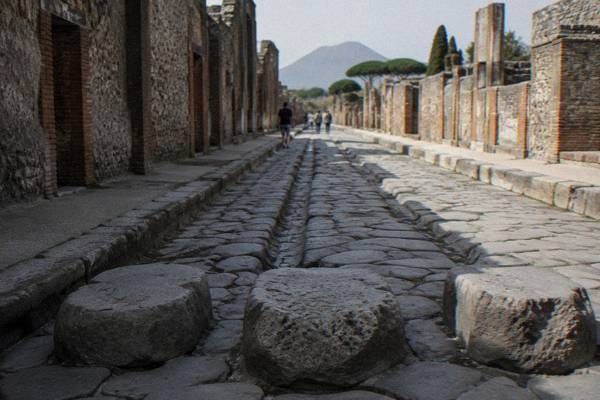
How Many People Died In Pompeii Exactly?
No exact death toll for Pompeii survives. This page explains what the archaeological record of the AD 79 eruption actually shows, why no count exists, and how to visit the site today.
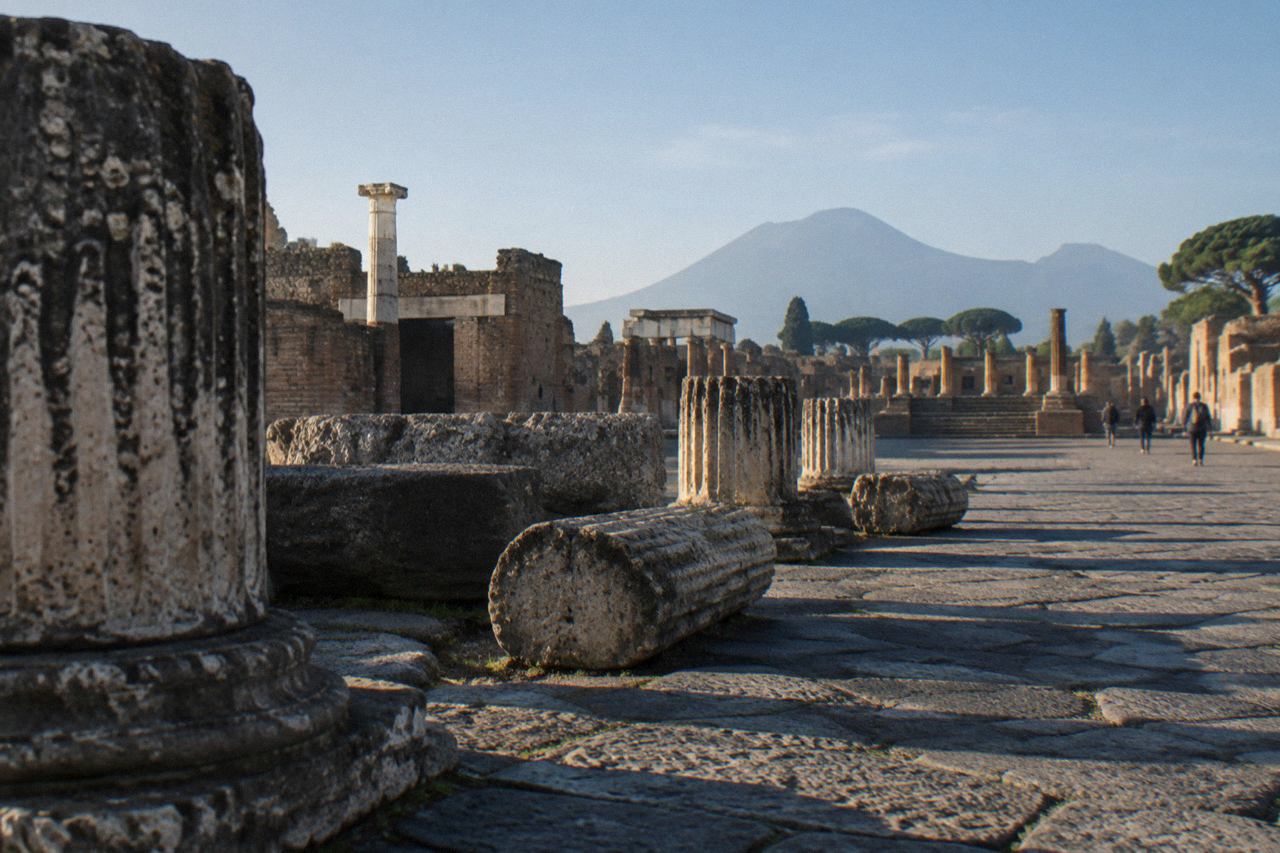
The ancient city of Pompeii, in Campania, southern Italy, about 24 km by road south-east of Naples, was buried by the eruption of Mount Vesuvius in AD 79, an event traditionally dated to 24 August. One question dominates every search about the disaster, and it deserves a straight answer rather than a confident invented figure: no exact death toll for Pompeii has ever been established. Neither the eyewitness account of Pliny the Younger, nor long decades of excavation at the archaeological park beside the modern town of Pompei, has produced a verified count of the people who died there. This page sets out what is actually known, what can never be known, and how to see the evidence for yourself.
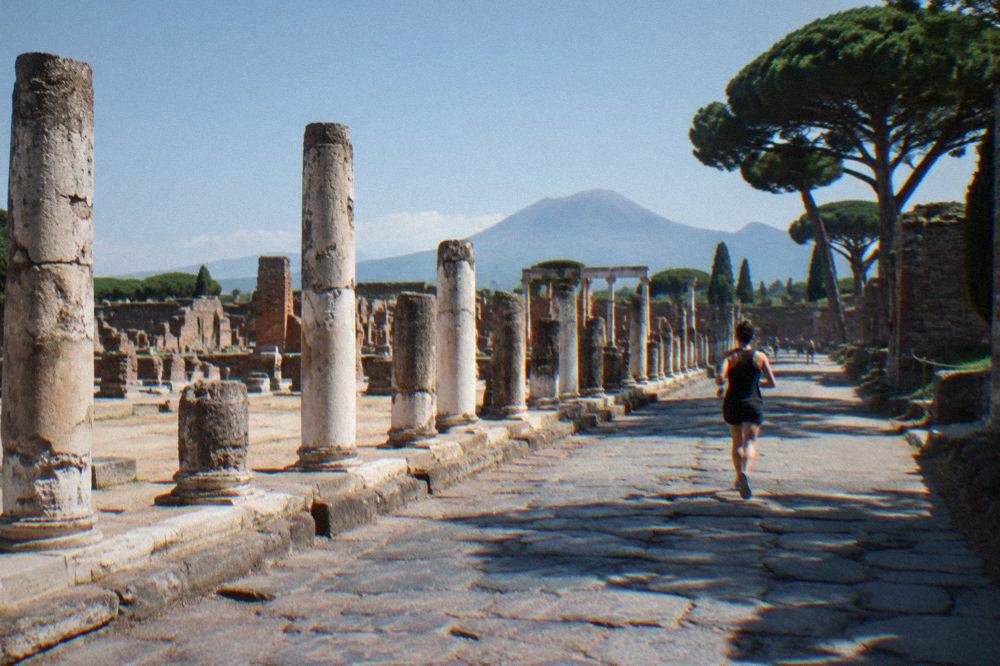
How Many People Died In Pompeii Exactly?
No exact number exists, and any page that prints one is guessing. Neither the ancient sources nor the archaeological park has ever published a verified death toll for Pompeii, and the park's own published records hold no such figure. What is certain is that people died in the city during the AD 79 eruption of Mount Vesuvius, that their remains moved archaeologists to develop plaster casting, and that the true total can never be recovered from a site that is only partly excavated.
The confusion starts with the way numbers travel online. A figure gets printed on one content farm, repeated by a second, and by the tenth repetition it carries the ring of authority. The archaeological park of Pompeii, the institution that manages the site and publishes its visitor data and excavation communications, has never issued a count of the dead. The only hard numbers in the park's own tables concern living visitors: 4,069,377 people visited Pompeii in 2024, and 4,000,090 in 2025.
Why can the dead not simply be counted? Because the evidence is partial in three separate ways. The excavated area of the ancient city covers 44 hectares, while the UNESCO-inscribed property that includes Pompeii, Herculaneum and Torre Annunziata covers 98 hectares, and a substantial share of the ancient city has never been dug at all. Whatever lies in the unexcavated ground, no one can count it. On top of that, many bodies that were once preserved will have been lost, destroyed or never recorded during the earliest, poorly documented diggings. For the fuller treatment of this question, the site's dedicated guide on how many people died in Pompeii works through the same evidence at greater length.
Why No Verified Count Of Pompeii's Dead Exists
Three gaps block any exact figure: the city is only partly excavated, with 44 hectares dug inside a 98-hectare inscribed property shared with Herculaneum and Torre Annunziata; early excavations did not record every find; and the eruption's victims outside the city walls, on roads and farms and along the coast, belonged to no census that survived. Any total would have to guess all three.
The 44-hectare figure deserves a moment of attention, because it is the one size number confirmed on the UNESCO listing for the property. It means that even a perfectly recorded excavation of the dug area would still describe only part of the ancient city. Beyond Pompeii's walls the eruption killed across the whole southern flank of Vesuvius, and deaths in the surrounding countryside were never tallied in any document that has come down to us. Pliny the Younger, whose letters are the only eyewitness account, describes the destruction but gives no count of the dead.
Then there is the loss inside the record itself. Digging at Pompeii began long before modern archaeological standards existed, and material from the earliest trenches was not always kept or documented. A number assembled from what survives would be a floor, not a total, and even the floor cannot be assembled honestly from what the park has published.
What The Buried City Actually Shows Visitors
What Pompeii preserves is not a count but individuals: voids left in the hardened volcanic deposit by bodies that decayed, which excavators filled with plaster to create the casts visitors see discussed today. Each cast is one confirmed death at one spot, and together they are the closest thing to evidence the question has. No published tally of the casts exists in the park's verified records.
The casts are the emotional core of any Pompeii visit, and they are also the best illustration of why the exact question has no answer. A cast proves one person died at that place. It says nothing about the people who died and left no void, the people who died in the unexcavated quarter, or the people who escaped the city and died on the road.
Visitors who want the evidence read to them on the ground have a clear option. A private tour with an archaeologist guide walks the excavated streets with a trained archaeologist, and the tour's own page carries the current price and availability. For travellers weighing that against going alone, the comparison in can you tour Pompeii on your own sets out the trade-offs honestly.
Was Everyone In Pompeii Killed By The Eruption?
No, and the evidence points the other way: the city that excavators uncovered shows signs of organised evacuation, with portable valuables removed and many bodies found clustered near gates and roads, which suggests people who delayed rather than people who never tried to leave. Some residents and visitors certainly escaped, and some returned to the ruins afterwards, but the park's records hold no figures for survivors either.
Pliny the Younger himself is the proof that survival was possible: he was across the bay at Misenum during the eruption and lived to write the letters that are the source of nearly everything known about the event. His uncle, Pliny the Elder, sailed toward the disaster and died there, a death covered in its own right on the page about what famous person died at Pompeii. The pattern of finds inside the city, with remains concentrated near exits and in sheltered corners, fits a population that mostly attempted flight once the ash began to fall in earnest.
This is also why the comparison with Herculaneum matters. Herculaneum, the neighbouring site at modern Ercolano, was buried more deeply and by different volcanic material, and the pattern of its finds differs accordingly, including the boat sheds where remains were found together. The wider story, including the 1944 eruption, is covered in the page on how many people died when Mount Vesuvius erupted in 1944, which keeps a clear separation between the ancient and modern disasters.
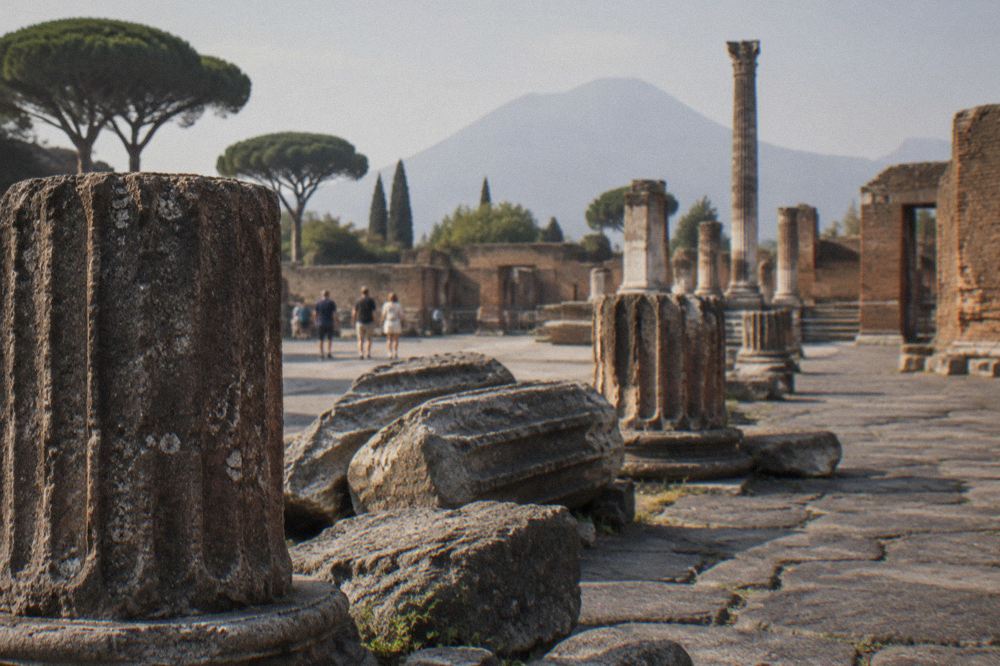
When Did Vesuvius Erupt And Kill Pompeii's People?
The eruption is traditionally dated to 24 August AD 79, from the oldest manuscripts of Pliny the Younger's letters, but the date is an open scholarly question: the park's own e-journal states that the rival 24 October date has zero evidentiary basis and stems from a 1929 misreading, while adding that 24 August is not necessarily correct either. No settled date exists.
The debate matters to the death toll question because a later autumn date implies a different population in the city, seasonal visitors and traders included, which would shift any hypothetical count. Anyone writing a firm date, in either direction, is going past the evidence.
What is not debated is the mechanism. The city was struck by falling pumice and then by the lethal surges and flows that preserved it, and the conditions of that burial are precisely why the site survived at all. The Vesuvius crater trail guide walks through what the volcano looks like today, and how its national park manages visits to the rim.
How Today's Visitor Numbers Compare With The Ancient City
Today, this site receives far more visitors each year than the ancient city itself is thought to have housed even at its height, so on a crowded modern day you can experience something close to the bustle its original inhabitants knew, with tourists standing in for the residents, traders and pilgrims who once filled these streets.
| Year | Pompeii site visitors |
|---|---|
| 2022 | 2,972,159 |
| 2023 | 3,985,424 |
| 2024 | 4,069,377 |
| 2025 | 4,000,090 |
| Month (2024) | Visitors | Month (2024) | Visitors |
|---|---|---|---|
| January | 112,121 | July | 449,162 |
| February | 142,648 | August | 421,255 |
| March | 272,723 | September | 468,340 |
| April | 466,344 | October | 481,255 |
| May | 516,923 | November | 189,866 |
| June | 410,712 | December | 138,028 |
Crowd strategy follows directly from these numbers. Booking ahead matters, and the question of whether to buy Pompeii tickets in advance is answered in its own page, while the practicalities of the park's nominative tickets, time slots and the 20,000 daily cap are covered by the Pompeii tickets guide. For orientation once inside, the Pompeii map page shows the entrances, Porta Marina, Piazza Esedra and Piazza Anfiteatro, and how the streets connect.
Planning A Visit Around The Evidence
The rewarding way to visit Pompeii is with the limits of the evidence in mind: see the excavated 44 hectares for what they are, a partial window on one morning of AD 79, and let a guide or a good route put the casts, the gates and the escape roads into context rather than chasing a number that does not exist. A half day covers the core, a full day lets the story breathe.
The site's own itineraries make the planning straightforward. The Pompeii in one day route strings the major buildings together, the half day highlights route serves tighter schedules, and the two days Pompeii Herculaneum Vesuvius plan adds the volcano and the neighbouring buried city. Cruisers should read the Pompeii cruise ship day guide, which works around port times rather than museum hours.
The question this page opened with tends to follow visitors home. Standing on the Street of Abundance, or in front of a cast in the archaeologists' care, the absence of a number feels less like a gap and more like the truth: the eruption killed people whose names and totals the world lost in a single day, and Pompeii's power lies exactly there, in how much of them survives anyway.
Common Questions About Pompeii's Death Toll
How many people died in Pompeii exactly?
No exact figure exists. Neither the ancient sources nor the archaeological park has published a verified death toll, and the partly excavated site, at 44 hectares dug within a 98-hectare inscribed property, makes any total permanently unknowable.
Was anyone in Pompeii able to escape the eruption?
Yes. Pliny the Younger survived the disaster from across the bay, and the pattern of finds in the city, with remains clustered near gates and roads, is consistent with an attempted evacuation in which some people got out and others delayed too long.
On what date did Vesuvius destroy Pompeii?
Traditionally 24 August AD 79, from the oldest manuscripts of Pliny the Younger. The park's own e-journal says the 24 October alternative has zero evidentiary basis and arises from a 1929 misreading, while noting 24 August is not necessarily correct either.
Where can the remains and casts be seen today?
Casts and human remains from the excavations are held and displayed by the archaeological park, with related material at the National Archaeological Museum in Naples, which the site's own guide to the museum covers in detail.
For anyone deciding between touring styles before committing, the site's broader comparison in what is the best tour for Pompeii matches guide formats to travel parties, and Pompeii Travel Guide holds the full library of routes, ticket explainers and site histories for the rest of the trip.