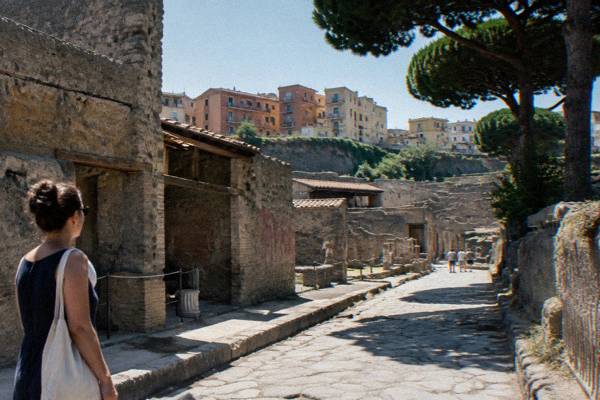
Is 2 Hours Enough For Herculaneum?
Two hours is a workable minimum for Herculaneum if you plan a tight route. Here is what fits, what does not, and how to time a short visit to the buried city.
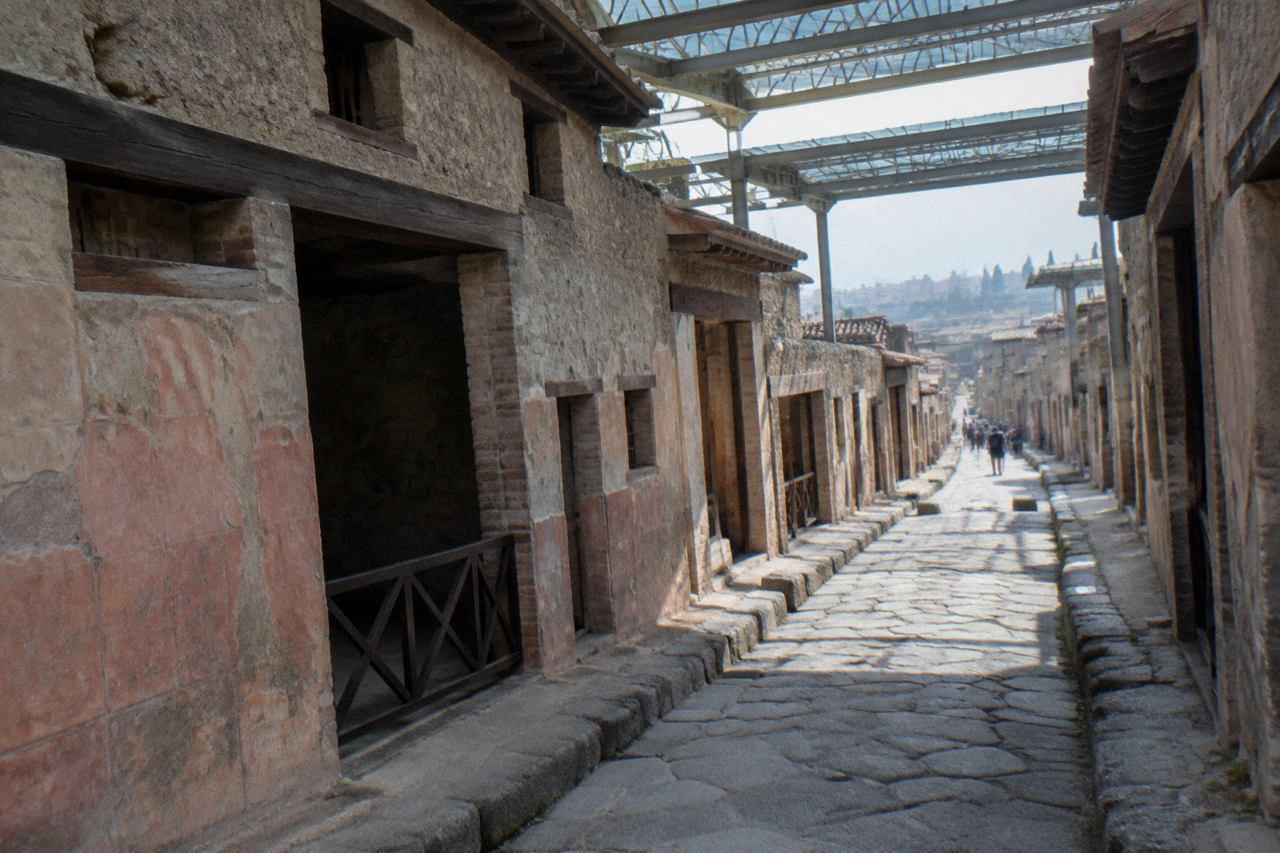
The question of whether two hours is enough matters here more than at Pompeii, because Herculaneum is a far smaller excavation, yet two of its headline sights, the Villa dei Papiri and the Ancient Theatre, are closed for works until further notice. The honest answer is that two hours is enough for the open part of the site if the visit is planned, and tight rather than relaxed.
Is 2 Hours Enough For Herculaneum?
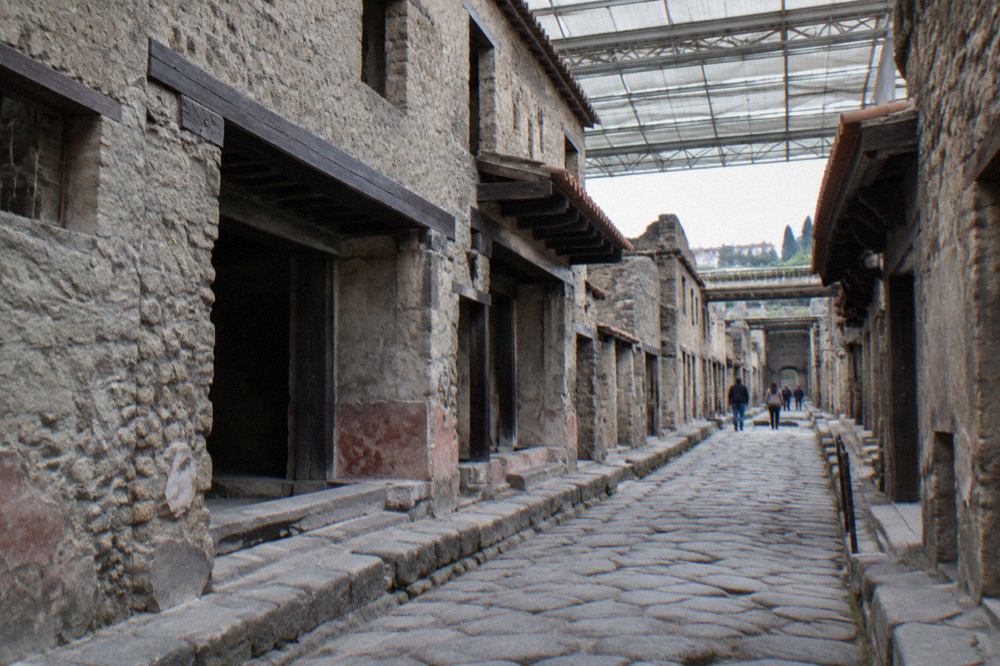
Yes, two hours is enough to see the open core of Herculaneum, provided you follow a direct route from the ticket office down the Decumanus Maximus to the boat sheds and back up through two or three domus. It is not enough for a leisurely visit with the site's museum spaces, a long pause at the terraces, or any attempt to see the Villa dei Papiri, which is closed for works, and the Ancient Theatre, also closed until further notice. Plan a route and two hours works.
That conclusion rests on the site's own shape. The excavated part of Herculaneum is a compact depression, roughly a third of the ancient town, boxed in by the modern streets of Ercolano above it. Where Pompeii demands route choices, Herculaneum funnels nearly every visitor down one main axis. The drop from the entrance terrace to the ancient street level is dramatic, and the walk back up takes a few minutes that a tight schedule should account for.
The hours matter as much as the route. From 16 March to 14 October the site opens at 08:30 and takes its last entry at 18:00, closing at 19:30. From 15 October to 15 March it opens at 08:30, takes its last entry at 15:30 and closes at 17:00. Arriving at opening time gives a two-hour visitor the quietest streets and the coolest stone, and October mornings in particular reward the early start.
| Season | Opens | Last entry | Closes |
|---|---|---|---|
| 16 March to 14 October | 08:30 | 18:00 | 19:30 |
| 15 October to 15 March | 08:30 | 15:30 | 17:00 |
A full ticket costs EUR 16, with a EUR 2 reduced rate for visitors aged 18 to 25, and entry is free on the first Sunday of each month plus 25 April, 2 June and 4 November, with tickets collected on the day at the office. Details and timing strategies for the entry itself are covered on the Herculaneum tickets and hours guide, which keeps this page focused on the clock.
What Does A Two-Hour Herculaneum Route Look Like?
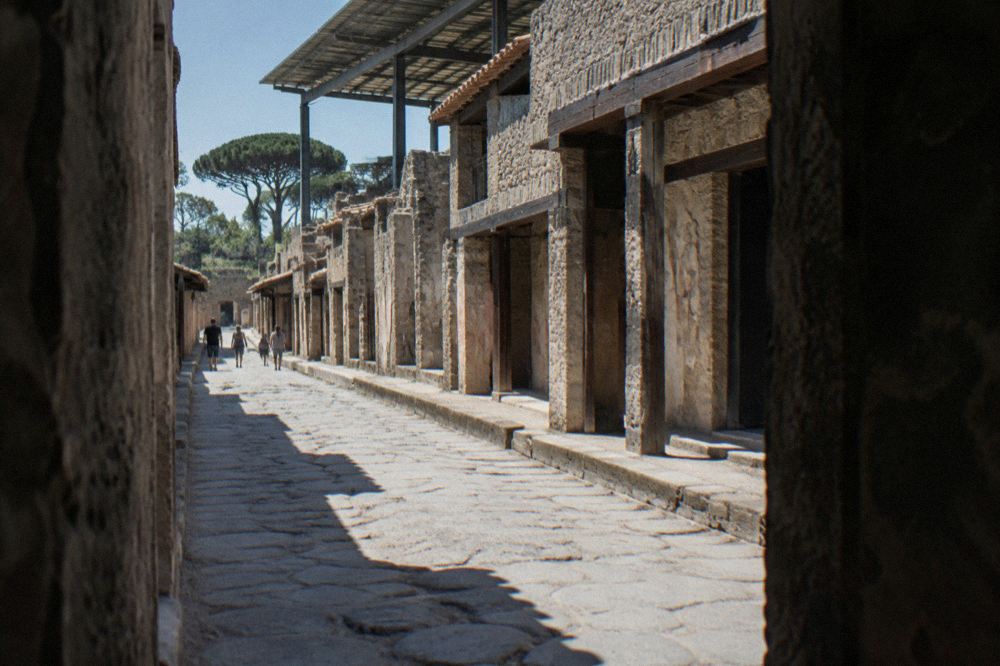
A realistic two-hour route spends about fifteen minutes on the entrance terrace surveying the site, forty-five minutes walking the Decumanus Maximus and Cardo III with stops at the House of the Neptune and Amphitrite and the House of the Deer, twenty minutes at the boat sheds along the ancient shoreline, and thirty minutes returning through one or two more domus, leaving a buffer for the walk back up. It favours depth on a handful of houses over coverage of everything open.
The terrace view is not a throwaway. From the upper walkway the whole excavation sits below like a model, and the geometry of the ancient streets becomes obvious before you descend. Guides use this stop precisely because it saves time later: once you have seen the layout from above, the route below needs less guesswork.
The heart of the short visit is the Decumanus Maximus, the east-west main street, and the side streets that run off it toward the ancient shoreline. Herculaneum's houses are smaller and richer than Pompeii's, many with second storeys and carbonised wooden doors, window frames and beams still in place, because the volcanic material that sealed the town preserved organic material that Pompeii's ash destroyed.
The boat sheds at the old waterfront, where skeletons of shelter seekers were found beneath the arches, are the emotional core of a short visit and deserve unhurried minutes. Their story, and why the deaths at Herculaneum differ so sharply from those at Pompeii, is told in full on why no bodies were found in Herculaneum and are the Herculaneum skeletons real or fake, questions this page only touches.
| Route stage | Time to allow | What you get |
|---|---|---|
| Entrance terrace overview | 15 min | Site layout, the shape of the excavation, photo of the whole town |
| Decumanus Maximus and Cardo III | 45 min | House fronts, carbonised wood, mosaics at the Neptune and Amphitrite |
| Boat sheds and ancient shoreline | 20 min | The arches, the skeletons' story, the sea wall |
| Return via one or two domus | 30 min | A single house seen properly, such as the House of the Deer |
| Ascent and exit buffer | 10 min | The climb back to the entrance level |
For travellers fitting Herculaneum into a bigger Vesuvian day, a guided small-group option led by an archaeologist covers the site's key stops without route planning on your part; you can Check availability on the operator's live listing.
Is Two Hours At Herculaneum Different From Two Hours At Pompeii?
Yes, and the difference favours Herculaneum. Two hours at Herculaneum covers the site's open core with room to breathe, while two hours at Pompeii covers only a thin slice of a 44-hectare excavated city and forces hard route choices. Pompeii's scale makes a short visit feel rushed in a way Herculaneum's compact grid does not, which is why the two-hour question has different answers at the two sites.
The comparison is worth making carefully because travellers often book both. Pompeii's excavated area covers 44 hectares, and its headline buildings sit far apart; Herculaneum's excavation is a fraction of that, with the main sights strung along two streets. A visitor who found two hours thin at Pompeii will find two hours comfortable at Herculaneum, and a visitor combining both in one day, a route many attempt from Naples, usually gives Pompeii the longer slot.
The closure situation also differs. At Pompeii, the Praedia of Julia Felix has been closed to the public since 7 September 2026 for maintenance, but the rest of that vast site absorbs it. At Herculaneum the closed buildings, the Villa dei Papiri and the Ancient Theatre, both shut for works with the theatre listed as closed until further notice, were headline sights, and their absence genuinely shortens the ideal visit. A two-hour budget now fits the open site better than it did before the closures.
The full head-to-head, including what each site does better, lives on the Pompeii versus Herculaneum comparison. For combining both towns in a single day, the practical timing is laid out in can you do Herculaneum and Pompeii in one day, which is a different question from this one.
When Is Two Hours Not Enough At Herculaneum?
Two hours stops being enough when you want a guided tour with questions and pauses, when you plan to sketch or photograph the carbonised wood in detail, when travelling with children whose pace is slower, or when the site is crowded enough that the terrace and the boat sheds queue. It is also not enough for anyone who believed the Villa dei Papiri or the Ancient Theatre would be on the itinerary, since both are closed for works.
Guided tours change the arithmetic. A guide-led walk spends longer at each stop because context is the point, and the questions of a group stretch five-minute stops into ten. That is not an argument against a guide, it is an argument against booking a guided experience and expecting it to finish inside a two-hour window; the operator's listing states the format, and the small-group archaeologist walk on this page is a natural fit for a first visit.
Crowds move the clock too. On free entry days, the first Sunday of each month plus 25 April, 2 June and 4 November, the site draws heavier numbers, and the narrow upper walkway bottlenecks at opening. In the summer months the July and August afternoon heat, with mean daily maxima around 28.7 and 29.4 degrees respectively in the Pompei area, slows every walker on unshaded ancient stone, and the midday two hours cost more effort than the morning two hours.
Accessibility also alters the budget. The descent to the ancient streets is steep, and the return climb is the part a tight schedule most often forgets. Visitors with mobility difficulties should treat the two-hour estimate as generous rather than tight, and the site's own visitor regulations are the authority on what assistance is available on the day.
Do You Need A Guide To Use Two Hours Well?
A guide is not required, and a well-planned independent two hours at Herculaneum works, but a guide converts the same two hours into far more understanding per minute. Herculaneum's houses reward explanation, since the carbonised wood, the second storeys and the shoreline skeletons tell their story far better with context than from a laminated map. Independent visitors should at minimum read one deep source before arriving.
The case for guidance is stronger at Herculaneum than at Pompeii precisely because the site is small. On a compact route a knowledgeable guide loses no time walking between sights and spends every saved minute explaining them, and an archaeologist-led small group is the format that fits. Readers weighing that trade-off in full will find the general arguments in is it worth getting a guided tour of Pompeii, which applies with adjustments here.
Independent visitors are not stranded. The site is genuinely legible on its own, the route described above needs no permission or booking beyond the entry ticket, and the modern town of Ercolano around the excavation, covered on the Ercolano area guide, supplies food and shade before and after. What solo visitors lose is depth, not access.
For the fullest picture of the buried town's afterlife and its modern name, what Herculaneum is called today is a quick read that pairs well with the train ride in.
How To Time A Two-Hour Herculaneum Visit Around Travel?
Arrive before opening at 08:30, spend two hours inside until about 10:30, and you leave before both the crowds and the heat build. The Circumvesuviana line serves Ercolano from Naples and from the Pompei Scavi-Villa dei Misteri direction, and the walk from the Ercolano station down to the entrance should be counted inside the morning plan, not discovered on arrival. Two timed hours inside the site is the goal, not two hours door to door.
The train is the practical spine of any Vesuvian itinerary, and travellers already staying in Naples or moving between sites should read the dedicated Circumvesuviana and Naples to Pompeii transport guidance rather than relying on second-hand timings. The Campania Express service is suspended since 1 October 2026 until further notice, so any plan built on that train needs rebuilding around the standard Circumvesuviana service.
Pairing Herculaneum with a second site changes the morning. A common pattern is Herculaneum first at opening, then the Circumvesuviana to Pompei Scavi for the afternoon inside Pompeii's longer hours, which run to a last entry of 17:30 in the summer season against Herculaneum's 18:00. That order is deliberate: the smaller site benefits from the earliest, emptiest hour, while the larger one absorbs the midday crowds across its spread. The full reasoning and the station choices are on the Pompeii and Herculaneum one-day itinerary.
| Timing choice | Why it helps a two-hour visit |
|---|---|
| Arrive by 08:20 | Enter with the first wave, empty terrace photos, quiet domus |
| Two hours inside, 08:30-10:30 | Finish before tour groups arrive and before midday heat |
| Herculaneum before Pompeii | The compact site uses the early hour better; Pompeii absorbs crowds |
| Count the station walk | The descent from Ercolano station to the entrance is part of the clock |
| Free first Sundays | Budget extra minutes for heavier numbers at entry |
For orientation once inside the wider region, the Pompeii Travel Guide homepage carries the site's full planning coverage, from tickets and entrances to day trips across Campania.
Common Questions About Two Hours At Herculaneum
Is 2 hours enough for Herculaneum?
Yes, two hours covers the open core of Herculaneum on a planned route, including the boat sheds and two or three houses. It does not allow a leisurely pace, and the Villa dei Papiri and Ancient Theatre are closed for works, so they are not part of any itinerary.
Can you see Herculaneum in less than two hours?
A fast one-hour walk down the Decumanus Maximus and back is possible, but it reduces the visit to a corridor. Two hours is the sensible floor for a visit that includes the boat sheds and at least one house seen properly.
Is Herculaneum smaller than Pompeii?
Yes. Pompeii's excavated area covers 44 hectares, while Herculaneum's excavation is a compact fraction of its ancient town, which is why short visits work better there. The trade-offs are compared in this site's Pompeii versus Herculaneum guide.
What is closed at Herculaneum?
The Villa dei Papiri is closed for works and the Ancient Theatre is closed until further notice, per the official ticketing page. Both were headline sights, so check the park's own communications before travelling.
When does Herculaneum open and close?
From 16 March to 14 October it opens 08:30 with last entry at 18:00 and closes 19:30. From 15 October to 15 March it opens 08:30 with last entry at 15:30 and closes 17:00. It is closed on 1 January and 25 December.
Is Herculaneum good for a short day trip from Naples?
Yes, and two hours inside the site is the core of a comfortable half-day trip by the Circumvesuviana, with time in Ercolano on either side of the visit.
Two hours, planned around the opening hour and the straight route from terrace to shoreline, gives Herculaneum its due for a first visit, and the closures currently on site mean the open core fits that window more closely than at any time in recent memory.