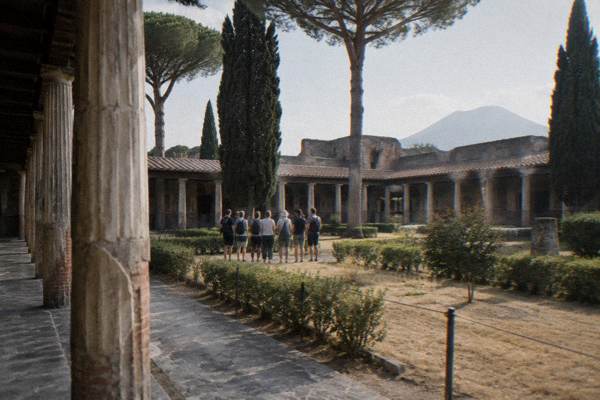
Paestum
Paestum is an ancient Greek city in Campania, southern Italy, south of Salerno, famous for three Doric temples that still stand to their full height. This guide covers what it is, how it fits a Pompeii trip, and what to plan for.
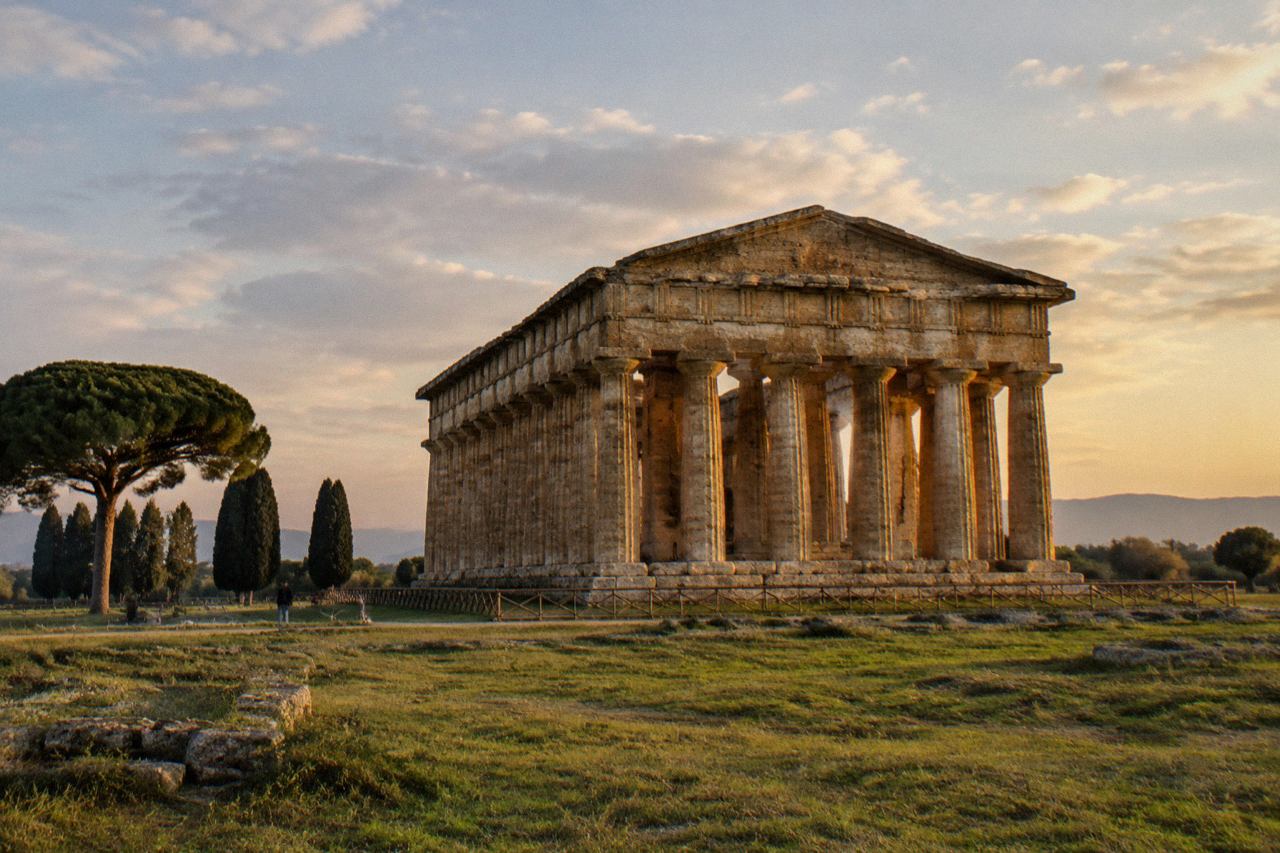
Short answer
Paestum is an ancient Greek archaeological site in Campania, southern Italy, about 31 km by road from Salerno and reachable as a long day trip from Pompei or Naples. Three standing Doric temples and a museum form the core visit. Combine it with Salerno rather than trying to pair it with Pompeii and the Amalfi Coast on the same day.
Paestum is an ancient Greek city in Campania, southern Italy, standing on a coastal plain south of Salerno, and it is one of the few places in the Mediterranean where a row of Greek temples still rises to full height in open ground. Travellers who come to this region for Pompeii Travel Guide territory, the buried Roman city beside the modern town of Pompei about 24 km from Naples, often add Paestum as a second or third day. This guide explains what Paestum is, how the two sites differ, what a realistic day there looks like, and how to plan transport and timing around the facts that matter.
Where Is Paestum And What Kind Of Site Is It?
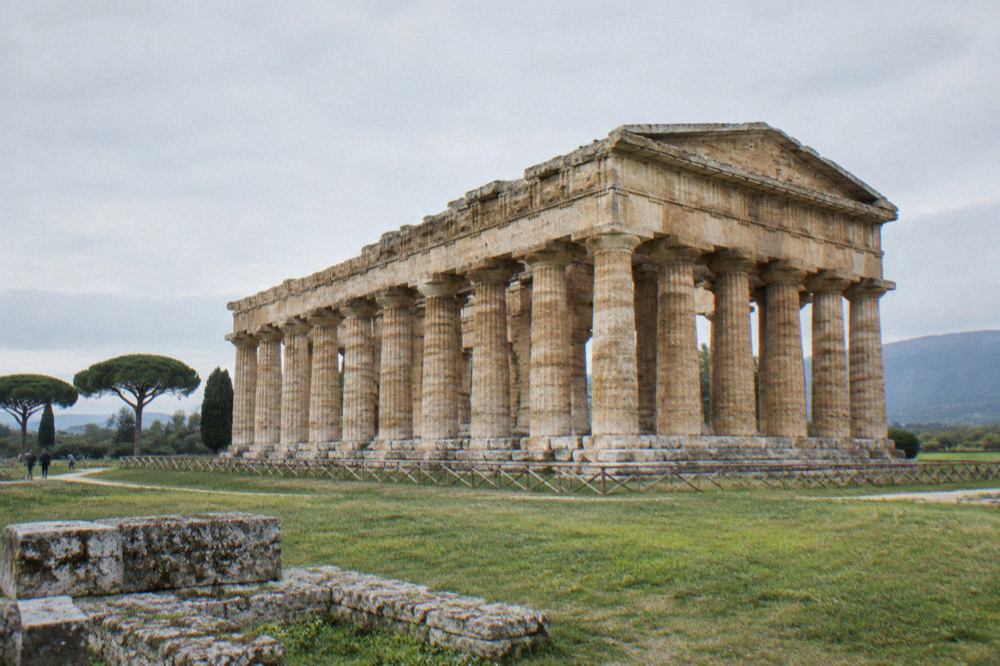
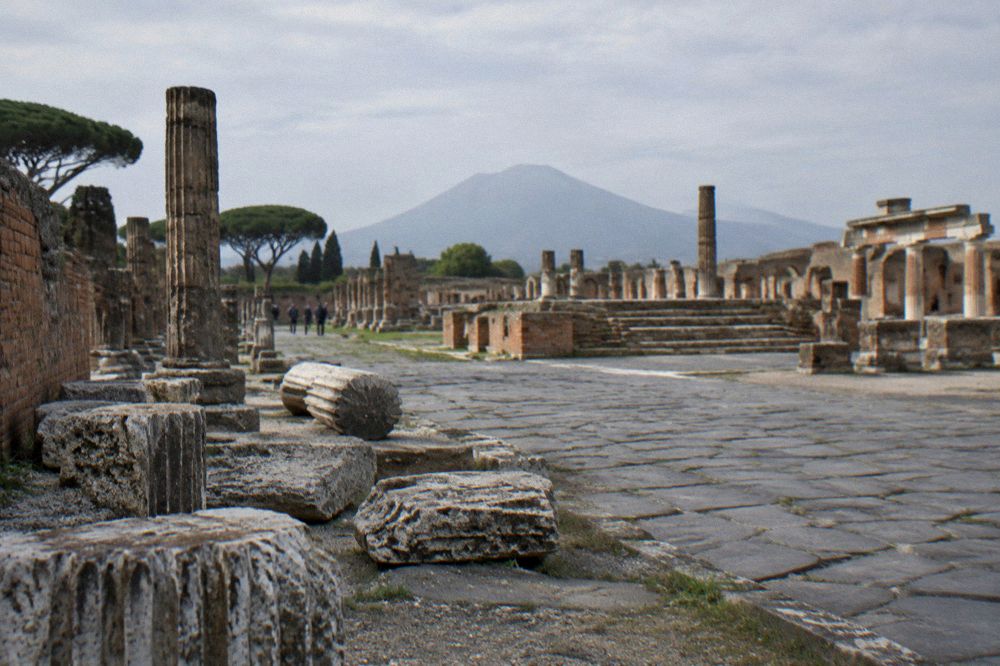
Paestum is an archaeological park on the Tyrrhenian coastal plain of Campania, southern Italy, south-east of the modern town of the same name in the province of Salerno. It preserves the walls, street grid, forum area and three standing Doric temples of a Greek colonial city later occupied by Romans. It belongs to the same broader region as Pompeii, Herculaneum, Oplontis and Stabiae, but it is Greek in origin rather than Roman, and it was abandoned rather than buried by a volcano.
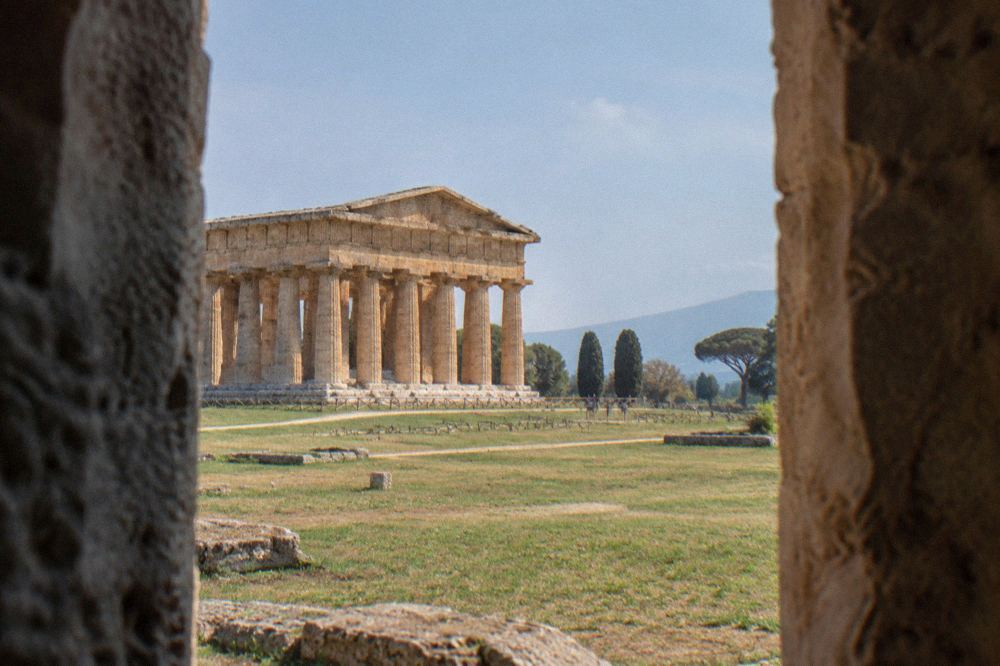
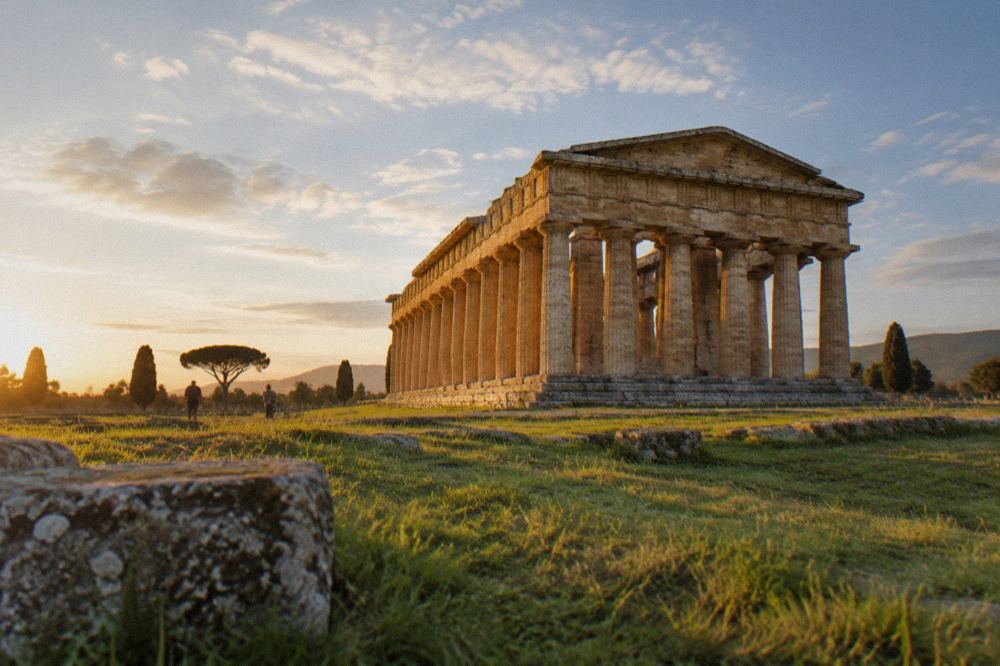
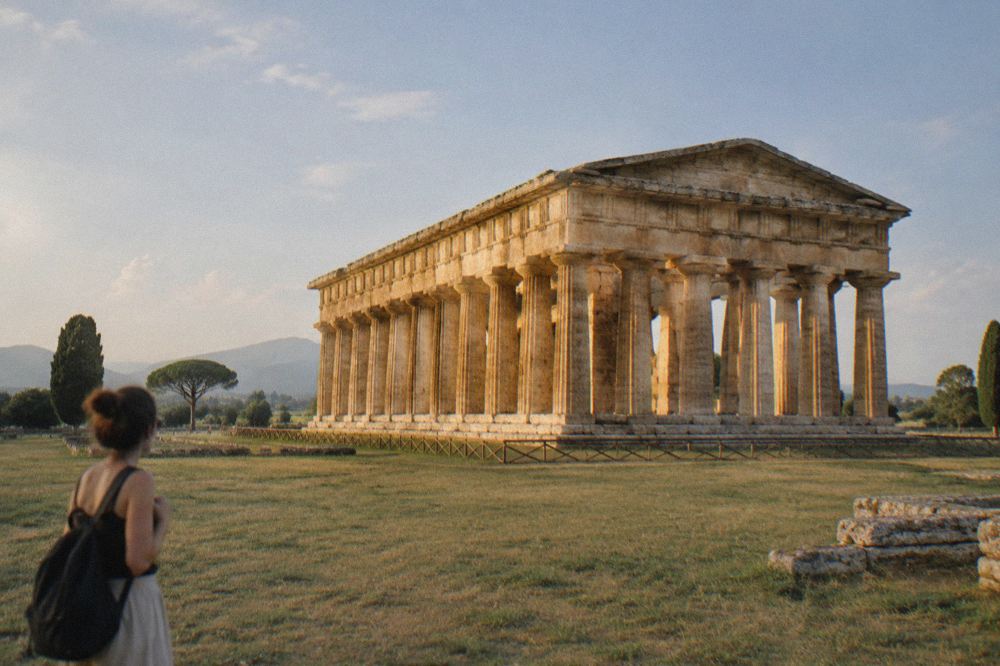
The three temples are the reason people go. They are built in the Doric order, the heavy-columned Greek style, and they still stand to the top of their entablature, which is rare for Greek architecture of any period anywhere in the world. The site also keeps long stretches of its ancient defensive walls and a number of Lucanian tombs whose painted slabs, including the well known diver fresco, are displayed in the on-site archaeological museum. For a visitor coming from Pompeii the contrast is the point: Pompeii is a Roman city frozen mid-life by the eruption of Vesuvius in AD 79, traditionally dated to 24 August, while Paestum is a slow accumulation of Greek and Roman phases that later silted up, malarial and abandoned, until road builders cut through the overgrowth and travellers rediscovered the temples.
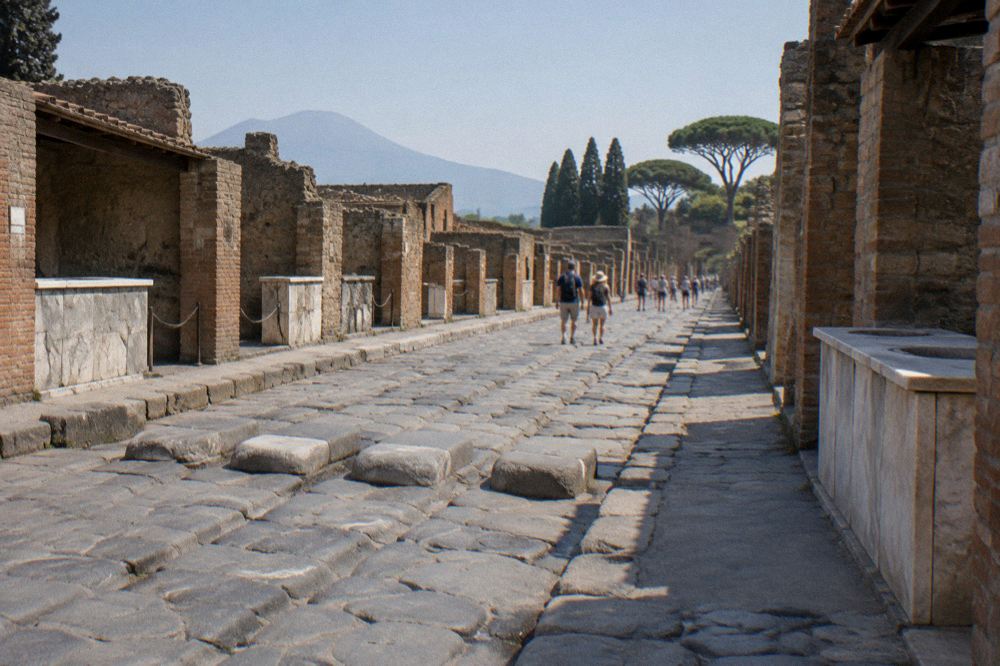
Neither site substitutes for the other. Pompeii answers the question of how Romans lived, shopped, ate and died in a working city; Paestum answers a question about Greek religious architecture and town planning on the Italian peninsula. Readers planning the Roman side of the trip should start with the Pompeii ticket options explained and the site map and layout before turning back to the Greek day.
How Do You Get To Paestum From Pompei, Naples Or Sorrento?
Paestum is a Salerno-direction day, not a Vesuvian one. By rail, the Circumvesuviana line runs from Napoli Garibaldi to Pompei Scavi-Villa dei Misteri in 29 to 35 minutes, but Paestum is not on that line: it sits south of Salerno, and the onward connection is the national rail line along the coast. By road from the Pompei Scavi area, Salerno is 31 km, about 30 minutes, from where Paestum is a further run south on the coastal plain.
What that means in practice is that the figures you can rely on all belong to the Vesuvian corridor: the 24 km to Naples in about 22 minutes, the 26 km to Sorrento in about 37 minutes, the 31 km to Salerno in about 30 minutes. No drive time or train time in the record covers Salerno to Paestum itself, so treat any figure you read elsewhere with caution and check the operator's timetable by name before locking a plan. The Circumvesuviana station you need for the Pompeii side is Pompei Scavi-Villa dei Misteri, stop 6049, and the full route from Naples to Sorrento is the line's route 1.
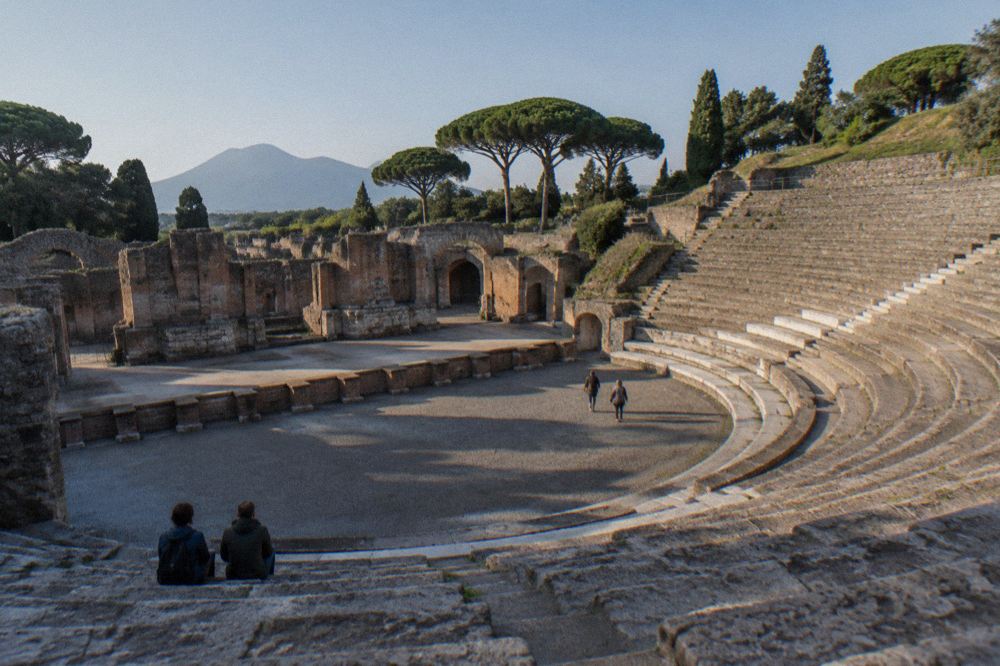
One dated fact matters before you plan any rail day in this region: the Campania Express, the semi-premium coastal service, has been suspended since 1 October 2026 until further notice. Do not build a schedule around it. The operator, EAV, announced new trains and a new Vesuvian-lines timetable on 16 September 2026, but the specific run figures from that announcement are unconfirmed, so the working method is to check EAV's own open-data timetable for the Circumvesuviana side and the national operator's timetable for the Salerno to Paestum leg.
| Leg | Figure | Source basis |
|---|---|---|
| Napoli Garibaldi to Pompei Scavi-Villa dei Misteri | 29 to 35 min, median 29 | EAV GTFS schedule, feed dated 2026-09-30 |
| Pompei Scavi to Sorrento | 34 to 40 min | EAV GTFS schedule |
| Napoli Garibaldi to Sorrento | 64 to 75 min, median 69 | EAV GTFS schedule |
| Pompei Scavi area to Naples by road | 24 km, about 22 min | OSRM routing on OpenStreetMap |
| Pompei Scavi area to Sorrento by road | 26 km, about 37 min | OSRM routing on OpenStreetMap |
| Pompei Scavi area to Salerno by road | 31 km, about 30 min | OSRM routing on OpenStreetMap |
If the Pompeii half of your trip is what needs booking rather than the transport, the selection below covers the three angles travellers usually weigh: a full-day guided option from Rome, a short express tour by train from Sorrento, and a shore excursion for cruise passengers docking at Naples.
The express-by-train format suits anyone already sleeping in Sorrento who wants the ruins with a guide and the rail leg handled. The day-trip-from-Rome format is for travellers who have not committed to basing in Campania at all and want Pompeii, with Vesuvius and lunch as optional add-ons, in one booked package. Cruisers have the tightest clock of anyone, and the shore-excursion format exists precisely for that constraint.
What Do You Actually See At Paestum In Half A Day?
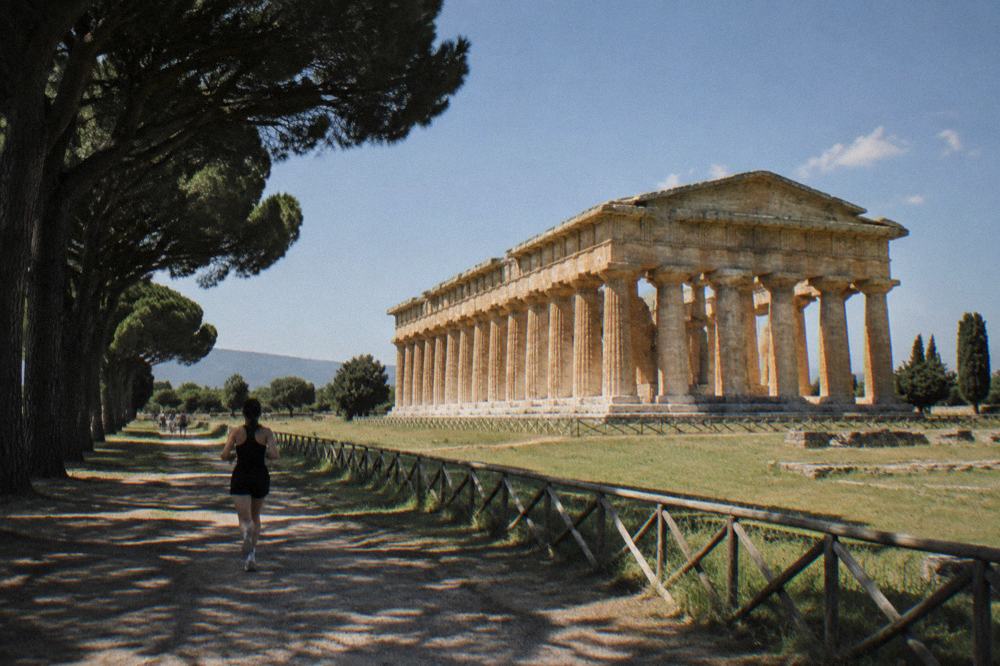
A half-day circuit covers the three temples, stretches of the city walls, the Roman forum area and the archaeological museum, roughly in that order, ending with the painted tomb slabs in the museum. The temples stand in an open, almost treeless field, so the visit is a walking circuit on ancient paving and grass rather than the shaded street-canyon walk of Pompeii. The scale is compact, which is why half a day is the standard shape of a Paestum visit.
The classic sequence is logical. You enter, take the long view of all three temples together from the southern end of the sacred area, then walk the line of them one by one, reading the differences in column proportion and masonry that mark the centuries between their construction. After the temples, the forum and the surrounding Roman civic remains show what the city became after Rome absorbed the region, and the wall circuit, among the longest surviving ancient defences in Italy, frames walks along the perimeter. The museum, last, holds the painted Lucanian tomb slabs, including the diver, a small panel showing a young man plunging through the air toward water, one of the most discussed images from any ancient tomb in southern Italy.
| Stop | What it is | Time to allow |
|---|---|---|
| Temple of Hera (the oldest of the three) | Doric temple, the largest at the site, standing to full height | 20-30 min |
| Second temple (often called the temple of Neptune) | The most complete and most photographed of the three | 20-30 min |
| Third temple (smaller, at the far end) | Doric temple with later Roman modifications nearby | 15-20 min |
| Forum and civic area | Roman-period remains over the Greek street grid | 30-40 min |
| City walls and gates | Long perimeter circuit, walkable in sections | 20-40 min depending on route |
| Archaeological museum | Painted tomb slabs, pottery, the diver fresco | 45-60 min |
Two practical notes that come from the region's climate rather than the site itself. Open-Meteo's 1991-2020 normals for the nearby Pompei grid point show mean daily maxima of about 29.4 C in August and 28.7 C in July, against about 12.2 C in January, with November the wettest month at about 180 mm of rain and July the driest at about 16 mm. Paestum's plain is, if anything, more exposed: there is little shade on the temple field, and the same summer-heat planning that applies to Pompeii applies here with less cover. Water, a hat and the morning hours are the standard advice for a summer visit.
Paestum Or Pompeii: Which Site Deserves Your Day?
If you have one day in Campania and no strong prior interest in Greek architecture, Pompeii is the site with the broader story, the famous names and the denser remains, and it is the one the whole region is organised around. Paestum earns the day when you have already seen Pompeii, or when architecture matters more to you than daily Roman life: the temples are the draw, and nothing at Pompeii stands the way they stand. The honest comparison is not which is better but which question you want answered.
| Dimension | Pompeii | Paestum |
|---|---|---|
| Origin | Roman city, buried by Vesuvius in AD 79, traditionally dated 24 August | Greek colonial city, later Roman, abandoned over time |
| Signature sight | Streets, houses, frescoed rooms, casts of victims | Three Doric temples standing to full height |
| Excavated scale | 44 ha excavated within a 98 ha inscribed property | Compact walled city, walked in half a day |
| 2026 entry (from the park's ticketing) | Express EUR 20, Pompeii+ EUR 25, 3-day EUR 30, until 31 Dec 2026 | Not in this site's record: check the official museum portal before travelling |
| Shade and cover | Streets with some shaded corners, buildings to step into | Open field, minimal shade, museum only at the end |
| Best fit | First Campania trip, history of Roman daily life | Second or third day, Greek architecture interest |
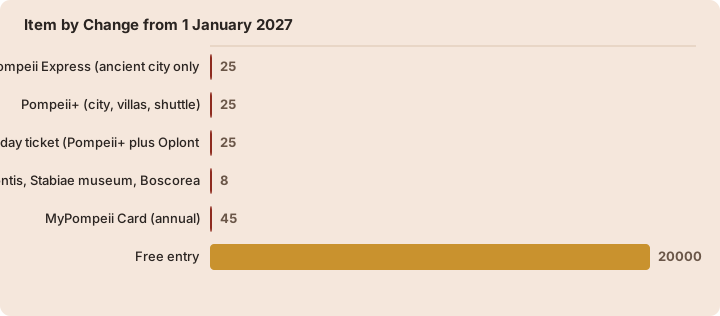
Pompeii's 2026 ticket structure changes on 1 January 2027, when a single EUR 25 ticket valid 30 days across all park sites replaces the Express and Pompeii+ split, with the three smaller sites, Oplontis, the Stabiae museum and Boscoreale, still EUR 8 individually and the MyPompeii Card still EUR 45. Entry is free for under-18s and for everyone on the first Sunday of the month, and EU citizens aged 18 to under 25 pay EUR 2 reduced. None of that applies to Paestum, which is run by a different museum authority; whatever you read about a combined Campania pass, verify it on the official pages before you budget for it.
How Much Time Do You Need At Paestum?
Half a day on site is the realistic minimum and the standard visit: the temples, forum and museum fit a morning or an afternoon without rushing, and the museum alone deserves the best part of an hour. A full day only makes sense if you plan to walk the whole wall circuit at leisure. Travellers pairing Paestum with Pompeii should treat them as separate days, because the transport runs through Salerno and the two sites pull in opposite directions.
The arithmetic is unforgiving. Pompeii's own summer schedule runs 9:00 to 19:00 with last entrance at 17:30 (16 March to 14 October), and winter hours from 15 October run 9:00 to 17:00 with last entrance at 15:30. Paestum's hours are not in this site's record, so check the official portal, but any sensible plan gives Pompeii the better part of a day on its own and Paestum the better part of another. Attempting both in one day means arriving at each site already behind, and the practical route between them, south through Salerno, eats the middle of the day.
For travellers who must compress, the honest order is: Pompeii first, on a guided two-hour core with an early start, and Paestum as the unhurried second day. A good comparison of the compressed formats, guided versus independent, is in guided tour or self-guided at Pompeii, and the short-route options are laid out in Pompeii in two hours for anyone genuinely time-boxed.
The day-from-Rome format deserves a specific word here. The related tour on this page handles that chain in one product, a Pompeii day trip from Rome with optional Vesuvius and lunch, and its live listing carries the current price and departure detail.
For anyone weighing it against the train-and-ticket route, the operator's listing shows the full itinerary, and the inline link lets you check availability on the same page: Check availability.
What Should You Combine Paestum With On A Longer Trip?
Paestum pairs naturally with Salerno and with the southern stretch of the coast, not with the Vesuvian sites, because it sits on the far side of the region's transport hub. A sensible Campania sequence is Pompeii and Herculaneum in the Vesuvian corridor first, then Salerno and Paestum on the southern leg, with the Amalfi Coast as the drive or boat between them. Capri and the northern islands pull from Sorrento and Naples, so they belong to the first half of the trip.
Think of the region as two loops from Naples. The western and northern loop holds Pompeii, Herculaneum, Oplontis, Stabiae and Boscoreale, all of them Vesuvian sites described in this site's Herculaneum guide and the Vesuvius pages, plus the Amalfi Coast and its towns. On a five-day trip, giving the southern loop one full day is the common shape; on anything shorter, Paestum is usually the thing that gives way, which is exactly why it rewards the traveller who plans it deliberately rather than squeezing it in.
| Trip length | Vesuvian corridor | Southern leg (Salerno direction) |
|---|---|---|
| 2 days | Pompeii full day; Herculaneum half day | Skip Paestum, or swap it for Pompeii day two |
| 3 days | Pompeii; Herculaneum; Vesuvius crater | Day three: Salerno and Paestum, full day |
| 4 days | Pompeii; Herculaneum; Vesuvius; a coast day | One full Paestum day plus travel buffer |
| 5 days or more | All of the above, unhurried | Paestum plus the southern coast, unhurried |
Other far-flung options that sit outside the Vesuvian sites, the Royal Palace of Caserta, Capri and Naples underground, compete for the same spare day, so decide by interest: Greek temples, Bourbon grandeur, an island or the city's underbelly. The deeper comparison of whether Paestum earns its travel time is treated from the traveller's-decision angle in is Paestum in Italy worth visiting.
What Are The Practical Rules And Costs On The Pompeii Side Of The Trip?
Pompeii's 2026 prices are Express EUR 20, Pompeii+ EUR 25 and the 3-day ticket EUR 30, with Oplontis, the Stabiae museum and Boscoreale at EUR 8 each and the MyPompeii Card at EUR 45, and all of these end on 31 December 2026, when a single EUR 25 ticket covering every park site starts on 1 January 2027. Tickets are nominative, with a 20,000 visitors per day cap, and identity documents can be checked at entry. Bags are limited to 30x30x15 cm.
Those are the numbers that shape a multi-day plan, because the 3-day ticket at EUR 30 is the one that covers Pompeii plus Oplontis, the Stabiae villas and Boscoreale, the satellite sites around the region that a Paestum-and-Pompeii traveller is already moving between. The 20,000 daily cap has been in place since 15 November 2024. Express holders can add the suburban villas route for EUR 8, card payment only, at the Porta Ercolano / Street of the Tombs entrance. The three ticket offices at Pompeii itself are Porta Marina, Piazza Esedra and Piazza Anfiteatro, and time-slot capacity between 16 March and 14 October splits at 13:00, with 9:00 to 13:00 capped at 15,000 entries and 13:00 to 17:30 at 5,000.
| Item | 2026 price or rule | Change from 1 January 2027 |
|---|---|---|
| Pompeii Express (ancient city only) | EUR 20 | Replaced by the single EUR 25 ticket |
| Pompeii+ (city, villas, shuttle) | EUR 25 | Replaced by the single EUR 25 ticket |
| 3-day ticket (Pompeii+ plus Oplontis, Stabiae, Boscoreale) | EUR 30 | Replaced by the single EUR 25 ticket, valid 30 days, one entry per site |
| Oplontis, Stabiae museum, Boscoreale | EUR 8 each | Still EUR 8 individually |
| MyPompeii Card (annual) | EUR 45, EUR 10 reduced | Stays EUR 45 |
| Free entry | Under 18s; everyone on the first Sunday of the month | Retained, with nominative tickets and the 20,000 daily cap |
The 2024 visitor table shows why slots matter in high season. May 2024 was the park's biggest month of that year at 516,923 visitors, with September at 468,340 and October at 481,255, against 112,121 in January. The annual totals ran 2,972,159 in 2022, 3,985,424 in 2023, 4,069,377 in 2024 and 4,000,090 in 2025. One free first Sunday drew more than 36,000 people in a single day, so if your Paestum day falls on a first Sunday, expect the Pompeii side of the region to be at its fullest and consider shifting days. A fuller treatment of the annual rhythm is in Pompeii weather and the best time to visit.
For travellers arriving by sea, the cruiser constraint is different again: the shore-excursion format bundles transfer and guide because port time is measured in hours. The related option below is the cruise-market counterpart to the land-based tours above, with the ticket included.
And for the Sorrento-based traveller who wants Paestum on day two and a first taste of the ruins on day one, the express tour by train is the compact version of that first day, running two hours on site with a guide.
What Should You Not Do When Planning A Paestum Day?
Do not pair Paestum with Pompeii and the Amalfi Coast on the same day, do not build a plan around the Campania Express, which has been suspended since 1 October 2026, and do not budget from Paestum prices, hours or drive times that no primary source you have checked confirms. Also do not assume a combined Campania ticket exists across both museum authorities; Pompeii's tickets cover Pompeii park sites, and Paestum is run separately.
Each of the three anchors deserves its own half-day minimum, the roads between them are coastal and slow, and the reward for cutting the chain is arriving everywhere late. The second error is quieter: travellers read a price or an opening hour for Paestum on an aggregator page, print it, and budget around a figure that may be years old. The method this site holds to is to print only figures from the record and to send you to the official portal by name for everything else. The third is seasonal: November is the wettest month in the regional normals at about 180 mm of rain, and the temple field in steady rain is a long walk with little shelter, so shoulder months reward a weather check the day before.
Finally, keep the spelling straight across the region, because the names collide: "Pompeii" for the ancient city and site, "Pompei" for the modern town and the Circumvesuviana station Pompei Scavi-Villa dei Misteri, "Herculaneum" in English for the site at modern Ercolano, and Paestum for the Greek city on the Salerno plain, a distinct site with its own authority, its own hours and its own story. Getting those four right is the difference between a plan and a puzzle. Whichever days you choose, the selection below gathers the three tour formats this page has discussed, the Rome full day, the Sorrento express and the Naples shore excursion, for a final side-by-side check.
Common Questions About Paestum
Where is Paestum?
Paestum is in Campania, southern Italy, on a coastal plain south-east of Salerno and south of the Amalfi Coast. It is an ancient Greek archaeological site, distinct from Pompeii, which lies about 24 km by road from Naples in the Vesuvian corridor to the north.
Can you visit Paestum and Pompeii on the same day?
It is not the recommended plan. Pompeii alone fills the better part of a day, and Paestum sits on the far side of Salerno, pulling your travel in the opposite direction from the Vesuvian sites. Treat them as separate days on any trip longer than a weekend.
What is Paestum famous for?
Paestum is famous for three Greek Doric temples that still stand to full height in an open field, for long surviving stretches of its city walls, and for the painted Lucanian tomb slabs in the site museum, including the diver fresco.
Is Paestum Greek or Roman?
Both, in sequence. It was founded as a Greek colonial city, later absorbed into the Roman world, and eventually abandoned, which is why the site holds Greek temples alongside Roman civic remains. Pompeii, by contrast, is a Roman city destroyed by the eruption of Vesuvius in AD 79.
How long do you need at Paestum?
Half a day covers the temples, forum, wall sections and museum at a reasonable pace, with about an hour in the museum alone. A full day only pays off if you plan to walk the complete wall circuit or combine the park with the surrounding plain.
Does the Pompeii ticket cover Paestum?
No. Paestum is run by a separate museum authority and needs its own entry. From 1 January 2027 the single EUR 25 Pompeii ticket still covers only the Pompeii park sites.
Whether Paestum becomes your second day or your reason to come back to Campania, the plan is the same: give Pompeii its own full day in the Vesuvian corridor, give Paestum a morning on the southern plain, and let Salerno be the hinge between them rather than a dash through it.