Is Pompeii Safe
Pompeii, the ancient Roman city buried by Vesuvius in AD 79 and now an archaeological park beside the modern town of Pompei in southern Italy, is a safe destination for the ordinary traveller, and the risks that matter are heat, uneven stone and pickpocketing rather than violent crime.
Short answer
Yes. Pompeii in Campania, Italy, is a safe place to visit: it is a state archaeological park with staffed entrances, named ticket offices and a 20,000 visitors per day cap in force since 15 November 2024. The real risks are sun, dehydration, uneven Roman paving and opportunistic theft at crowded spots, all manageable with preparation described below.
Pompeii, the ancient Roman city buried by the eruption of Mount Vesuvius in AD 79 and now a state archaeological park in Campania, southern Italy, sits beside the modern town of Pompei about 24 km by road from Naples. It welcomed 4,000,090 visitors in 2025 according to the park's own visitor-data table, which makes it one of the busiest archaeological sites in Europe. That volume is the honest starting point for any safety question: a site this crowded has the safety profile of a busy pedestrian attraction, not of a wilderness or a risky city district. For the short version of the question, see the site's answer page is it safe to visit Pompeii now; this guide covers the detail, including the scams and pressure tactics that circle every major Italian attraction.
Is Pompeii Safe To Visit Overall?
Yes, Pompeii is safe to visit. The archaeological park is a staffed Italian state site with three named ticket offices at Porta Marina, Piazza Esedra and Piazza Anfiteatro, identity checks possible at every entry, and a daily cap of 20,000 visitors in force since 15 November 2024. Violent crime against visitors is not part of the site's risk picture; the injuries and losses that do occur come from heat, uneven ancient paving and opportunistic theft in crowds.
The park's own regulations page sets the tone for what is actually policed: bags are limited to 30x30x15 cm, drones need authorisation, bare chests are not allowed, and tickets are nominative, non-transferable and non-refundable except in extraordinary closure. Those are the rules the staff enforce. Nothing in the park's public material treats visitor security as a headline concern, and the site publishes no crime statistics, so this guide gives general, unnumbered advice only.
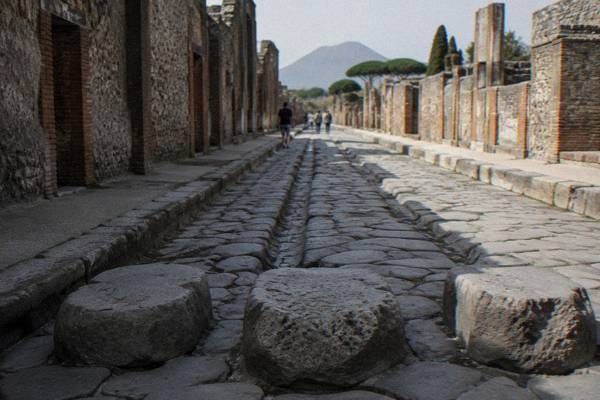
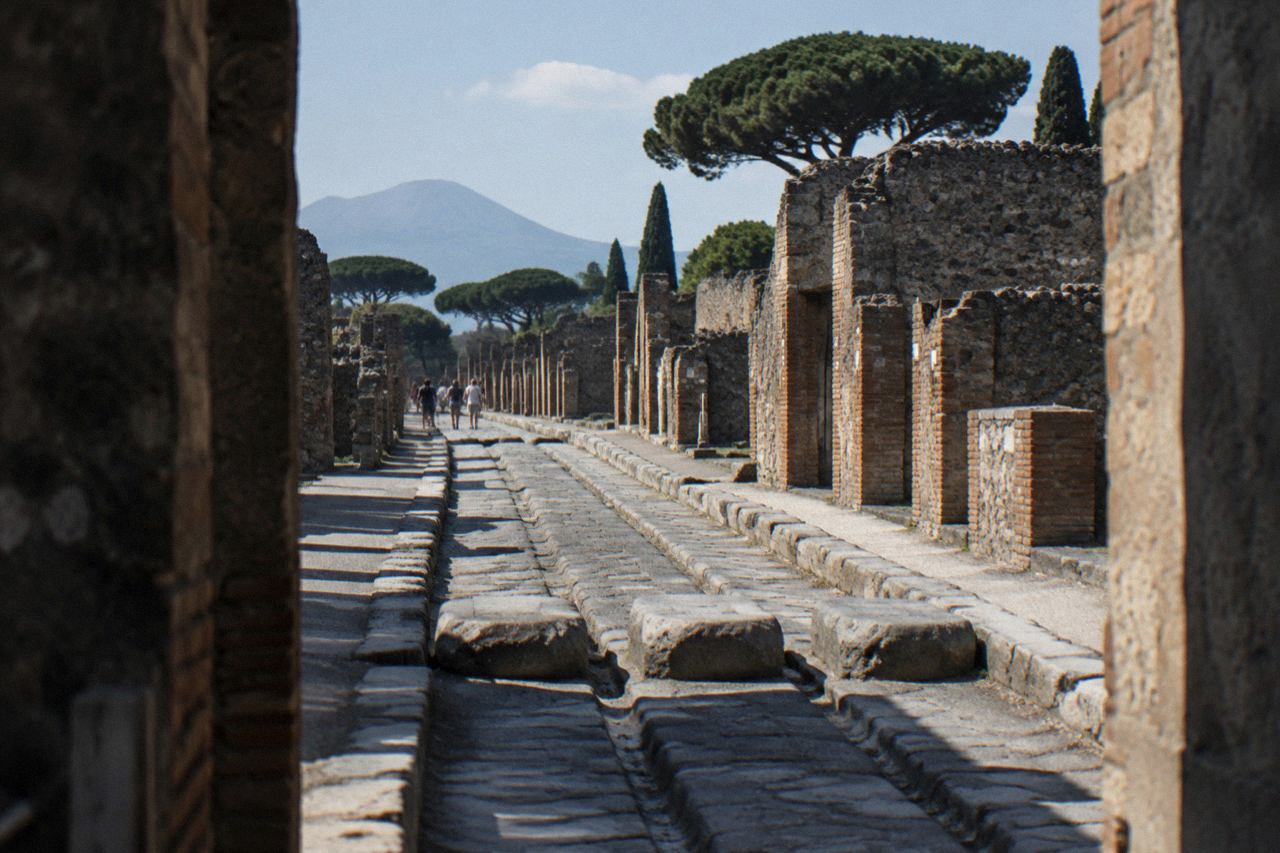
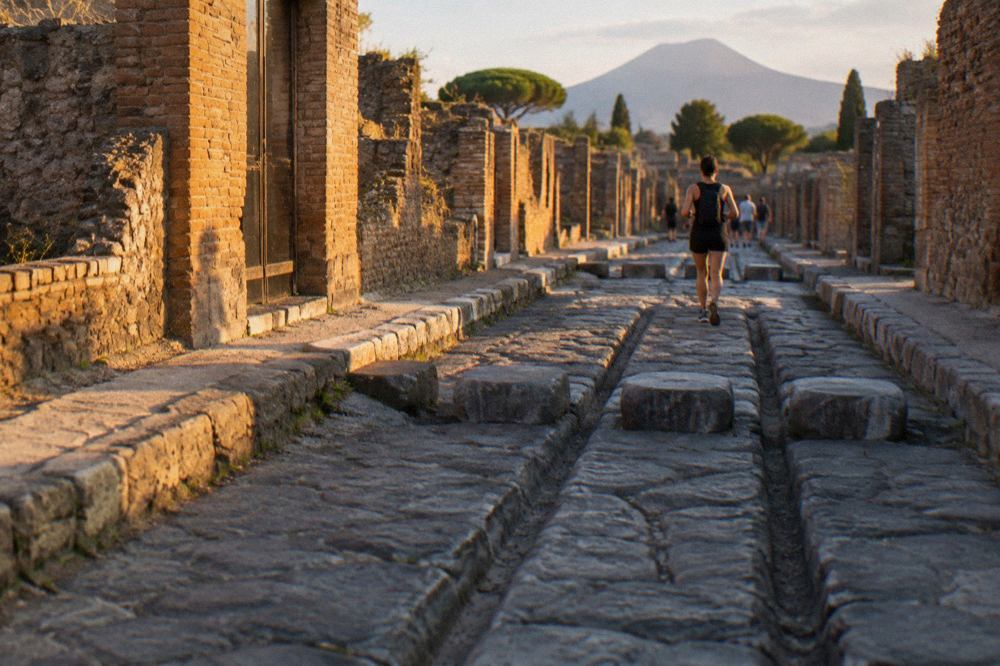
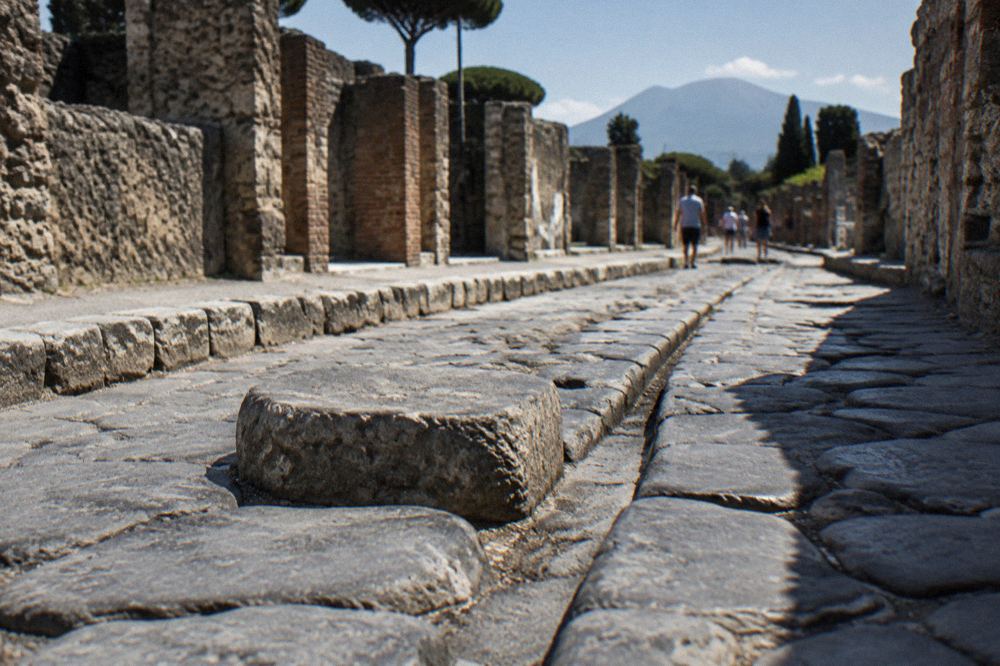
What genuinely catches visitors out is physical. The excavated area covers 44 hectares of original Roman streets, with deep wheel ruts, raised stepping stones and exposed stone that turns slippery in rain. Combined with summer heat, August mean daily maxima of about 29.4 C at the Pompei grid point in the 1991-2020 normals, this terrain is where twisted ankles and exhaustion happen. The planning pages on Pompeii weather and the best time to visit and what to wear to Pompeii cover the preparation in depth.
What Are The Real Safety Risks Inside The Archaeological Park?
The four risks that actually affect visitors inside Pompeii are heat and dehydration, trips and falls on original Roman paving, sun exposure in a largely shadeless site, and petty theft at pinch points such as ticket queues and the Forum. None of these is exotic, and each is managed with water, sensible footwear, sun cover and basic crowd awareness. The park supplements this with staffed entrances, left luggage for oversize bags and a dedicated accessible route.
Heat is the first item for a reason. The 1991-2020 climate normals for the Pompei grid point, computed from the Open-Meteo historical archive, show about 28.7 C mean daily maxima in July and about 29.4 C in August, with only 16 mm and 22 mm of rain in those months, so midsummer visitors walk hot stone streets with little natural shade. Carry more water than feels reasonable, refill at the fountains and taps in the park, and plan the outdoor walking for the morning: in the 16 March to 14 October season the site opens at 9:00 and last entrance is 17:30.
The paving is the second. Roman streets were built with deep stepping stones and ruts for cart wheels, and two millennia of wear has left surfaces that punish thin soles and hurried steps. Ankles turn here every day in season. Closed shoes with grip matter more than almost anything else you pack, and the same logic applies around the Villa of the Mysteries at the edge of the site, reached by a longer stretch of exposed road.
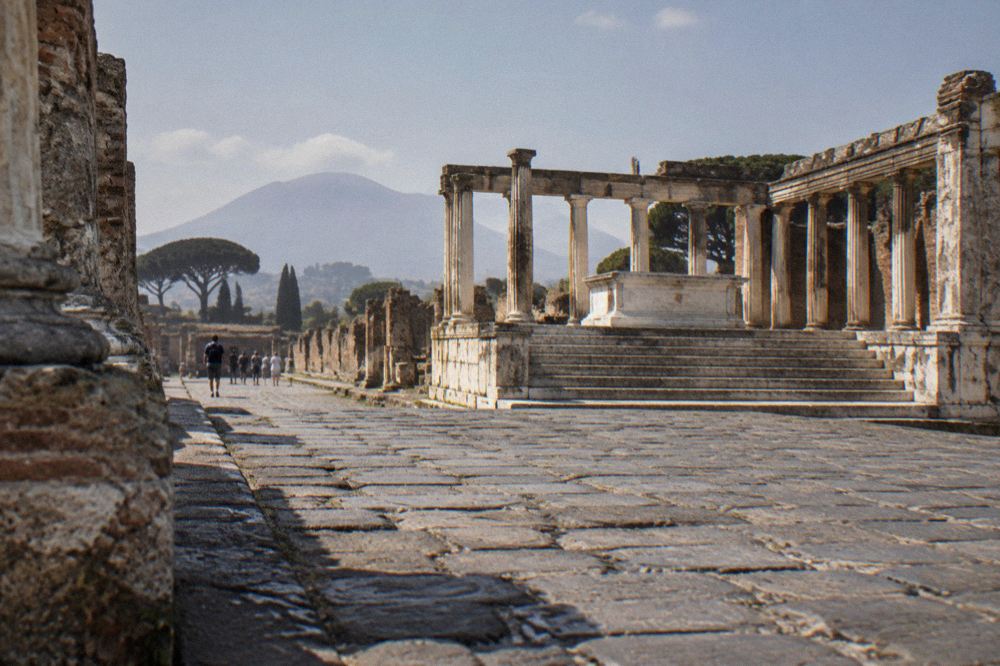
Theft is the third, and it is ordinary pickpocketing rather than anything more organised. Crowds form at the three ticket offices, at the entrance turnstiles and in front of the famous houses, and that is where lifted bags and dropped wallets happen. Front pockets, zipped bags worn in front, and nothing valuable in a back pocket solve nearly all of it.
| Risk | Where It Bites | Realistic Severity | Main Mitigation |
|---|---|---|---|
| Heat and dehydration | Shadeless streets, July and August afternoons | High, medical cases every summer | Water, hat, morning visit, rest in shaded areas |
| Trips on ancient paving | Stepping stones, cart ruts, uneven basalt | Moderate to high for ankles | Closed grip shoes, slow walking, watch the ground |
| Sun exposure | Whole site, limited shade | Moderate | Sunscreen, cover, breaks indoors at the Antiquarium |
| Pickpocketing | Ticket queues, turnstiles, crowded houses | Low to moderate, loss not violence | Zipped front-worn bag, minimal valuables |
| Oversize bag problems | All entrances | Administrative, not dangerous | Bag limit 30x30x15 cm, use left luggage |
The accessible "Pompeii for All" route deserves a mention under safety too: visitors with mobility difficulties enter at Piazza Anfiteatro and may exit at Piazza Anfiteatro or Piazza Esedra via the Antiquarium lift, per the park's regulations page. For anyone anxious about footing, that route removes the worst of the stepped and rutted streets, and the detail is on the site's Pompeii accessibility guide.
Which Scams And Pressure Tactics Target Visitors Around Pompeii?
The scams around Pompeii are the standard Italian-attraction set: unofficial guides offering tours at the entrances, fake or overpriced skip-the-line promises, friendship bracelet and rose pressure tactics in tourist spots, padded restaurant bills, and unlicensed parking attendants demanding cash near the entrances. None involves violence. Firm refusals, booked tickets in your own name and card payments at fixed-price venues handle nearly every case.
Unofficial guides are the most persistent. People approach the queue at Porta Marina and the other entrances offering immediate tours, sometimes at prices that sound reasonable until the group turns out to be enormous or the ticket is not included. The park's tickets are nominative since 15 November 2024 and identity can be checked at every entry, so a third party arranging tickets in someone else's name is a genuine problem, not a formality. Booking a licensed guide in advance, or an archaeologist-led small-group option such as the small group tour with an archaeologist, removes the whole interaction.
The bracelet-and-rose routine is the classic: a friendly hand fastens something on your wrist or hands over a flower, then payment is demanded loudly. It is annoying rather than dangerous, and a calm "no, thank you" while keeping walking ends it. The same applies to anyone insisting the site is closed today and offering an alternative trip: the park's own timetable page is the authority, and it shows the site open daily in both seasons, closed only 25 December and 1 January unless otherwise communicated.
Restaurant and shop padding is the quiet one. Establishments around the entrances and near the station have been known to add a cover charge that was not mentioned, or to quote a price per 100 grams that lands far above expectation. Menus in Italy must display prices; read them, photograph one if helpful, and pay by card where possible to leave a record. The site's own where to eat in Pompeii guide lists the in-park options, which removes the roadside lottery entirely on a short visit.
Parking touts round out the set at the car entrances, waving drivers into spots and then demanding a fee. Use the official parking areas associated with each entrance, confirm the price before leaving the car, and pay by card or get a receipt. If someone claims a flat is closed for maintenance, check the park's own comunicati page before changing plans: real closures, such as the Praedia of Julia Felix closure in force since 7 September 2026, are announced there officially.
| Tactic | Where | What Happens | Counter |
|---|---|---|---|
| Unofficial guide offer | Entrance queues | Immediate tour at unclear price, ticket not included | Book licensed guide or small-group tour in advance |
| Fake closure claim | Streets near entrances | Site said to be closed, alternative offered | Check the park's official timetable page |
| Bracelet or rose gift | Tourist pinch points | Item pressed on you, payment demanded | Decline and keep walking |
| Bill padding | Restaurants near entrances | Unstated cover charge, per-100g pricing | Read displayed menu, pay by card |
| Parking tout | Car entrances | Wave-in, cash demand on return | Official parking, agree price first, get receipt |
| Resold ticket offer | Online and around entrances | Nominative ticket fails ID check at entry | Buy from the official channels only |
Is The Area Around Pompei Scavi Station Safe?
The area around the Pompei Scavi-Villa dei Misteri station is safe in the sense that matters, no violence, but it is a scruffy transport node where pickpocketing and overpriced food are the realistic risks. The station is small, the walk from it to the Porta Marina entrance is short, and ordinary city caution covers it: watch bags on the platform, ignore taxi and tour touts, and buy nothing you have not priced first.
The station sits at stop 6049 on the Circumvesuviana Napoli-Pompei Scavi-Sorrento line, with scheduled run times computed from the operator's own published timetable data of 29 to 35 minutes from Napoli Garibaldi. Those trains get packed in high season, and a packed regional train is the classic pickpocket environment: bags in front, wallets out of back pockets, and phone not in an open jacket pocket. The same caution applies on the Sorrento direction, 34 to 40 minutes from Pompei Scavi. The Circumvesuviana train guide covers the practicalities; note the fare itself is set by the operator and is best checked on its own timetable and fare pages.
One transport fact needs a dated warning here: the Campania Express, the premium alternative on the Vesuvian lines, has been suspended since 1 October 2026 until further notice, with refunds through the operator's complaints form. The Naples to Pompeii and Sorrento to Pompeii guides carry the current route options.
Around the station itself, the pressure is commercial: tour offers, taxi offers, food at prices calibrated for people with nowhere else to go. It is a five-minute-level walk from the station to the Porta Marina entrance, so there is no need to accept a ride. Walking that stretch with a wheeled bag on uneven pavements is mildly annoying but not unsafe, and the can you walk from Pompeii train station to the ruins question is covered in its own article.
How Do You Avoid Ticket Scams At Pompeii?
Buy only from the official sales channel named on the park's own ticketing page, because Pompeii's tickets are nominative, tied to your identity and checkable at every entry. In 2026 the Express ticket is EUR 20, Pompeii+ is EUR 25 and the 3-day ticket is EUR 30, prices that end on 31 December 2026 when a single EUR 25 ticket for all park sites begins on 1 January 2027. Any reseller quoting wildly different numbers is a red flag.
The nominative rule is your best defence. Since 15 November 2024 every ticket carries a name, and staff may check ID at the gate, so a tout cannot simply hand you a cheap stack of tickets, and a resold ticket can fail at the turnstile. Buy from the operator's official channel, arrive with the ticket on your own phone, and carry the ID it was bought with.
Free and reduced rules are also worth knowing because they get mis-sold. Entry is free for under 18s, free for everyone on the first Sunday of the month, and EUR 2 reduced for EU citizens aged 18 to under 25. Nobody should be selling you a "free Sunday pass" or a "student discount ticket": those exist only at the official office on the day. The detail lives in the site's Pompeii tickets guide.
| 2026 Ticket | Price | Covers | Notes |
|---|---|---|---|
| Pompeii Express | EUR 20 | Ancient city only | Suburban villas route addable for EUR 8, card only, at Porta Ercolano / Street of the Tombs |
| Pompeii+ | EUR 25 | City, villas of Mysteries and Diomedes, Villa Regina, Antiquarium Boscoreale, shuttle | Mid-range option for one full day |
| 3-day ticket | EUR 30 | Pompeii+ plus Oplontis, Villa Arianna, Villa San Marco, Stabiae museum, Boscoreale | For a multi-day Vesuvian itinerary |
| Other park sites individually | EUR 8 | Oplontis, Stabiae museum, Boscoreale | Sold separately |
| My Pompeii Card | EUR 45 | Annual pass (EUR 10 reduced) | Stays EUR 45 after the 2027 change |
| From 1 January 2027 | EUR 25 | Single ticket, all park sites, 30 days, one entry per site | Replaces the structure above; smaller sites stay EUR 8 |
Two practical cautions complete the picture. Express holders can add the suburban villas route for EUR 8 only by card and only at the Porta Ercolano / Street of the Tombs entrance, so anyone selling that add-on "anywhere" is not selling the park's product. And time-slot crowding is real: in the current 16 March to 14 October split the site admits up to 15,000 people in the 9:00-13:00 band and up to 5,000 from 13:00 to 17:30, which is why the should you buy Pompeii tickets in advance question usually answers itself in high season. An archaeologist-led entry tour such as the entry ticket and guided tour option bundles the ticket legitimately; check its live listing for the current terms.
Is It Safe To Visit Pompeii Alone Or With Kids?
Yes, Pompeii is safe for solo visitors and for families, with the same three caveats for both: the site is enormous and largely shadeless, the paving punishes strollers and tired legs, and children can drift away from you in a crowd at a famous house. The park has staff at the named entrances, water points inside, and an accessible route from Piazza Anfiteatro that also suits strollers better than the stone streets.
Solo visitors face no specific safety issue beyond ordinary theft caution; the site is busy through the middle of the day in season, and the 20,000-visitor daily cap keeps it from becoming dangerous crush rather than discomfort. The one solo-specific advice worth giving is honest fatigue management: 44 excavated hectares with limited shade is a serious walk, and the exit gates are not always close when legs give out. Plan an exit route, and read how long to spend in Pompeii before committing to a whole-day solo push.
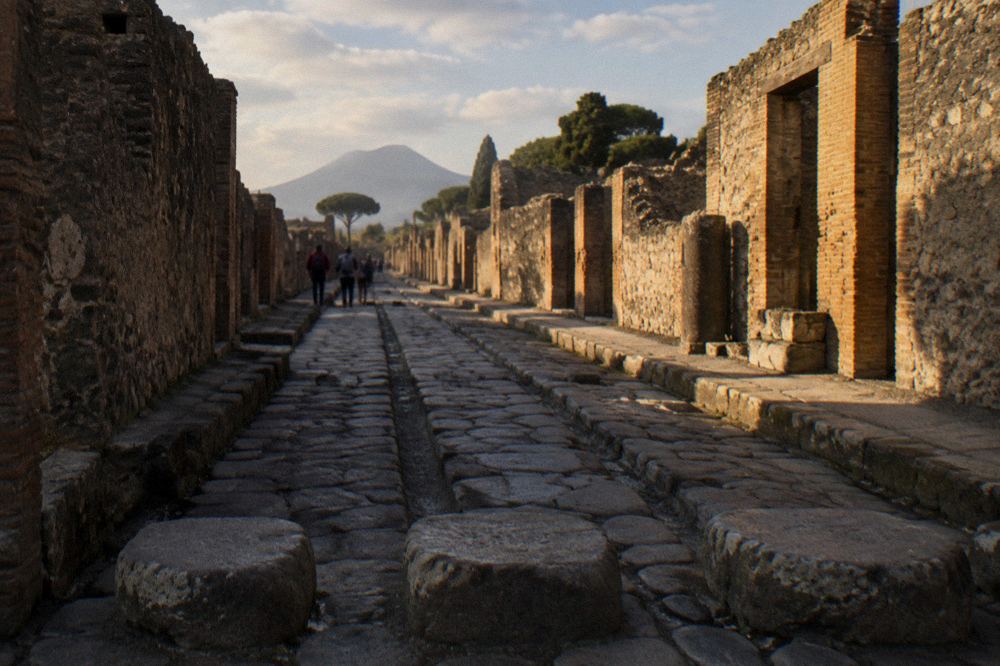
With kids, the risks are physical and logistical rather than criminal. Deep ruts and stepping stones are genuinely hard for small feet and stroller wheels; the "Pompeii for All" route from Piazza Anfiteatro, with the Antiquarium lift exit at Piazza Esedra, is the practical answer. Agree a meeting point at an entrance in case of separation, and note that the plaster casts, covered in the site's Pompeii body casts guide, can be intense for younger children, so preview that content rather than being surprised. The Pompeii with kids itinerary builds a family day around all of this.
For cruisers on a tight clock, the same advice sharpens: shore days compress arrival, visit and return into a few hours, and the temptation to accept a station-side tour tout grows exactly when you have the least time to fix a mistake. A pre-booked shore excursion with the ticket handled, such as the Naples shore excursion for cruisers, removes that pressure; its live listing shows the current inclusions.
| Visitor Type | Main Concern | Best Preparation |
|---|---|---|
| Solo traveller | Fatigue, isolation in a huge site | Route plan, morning start, water, offline map from the /map/ page |
| Family with young kids | Paving, strollers, separation | Pompeii for All route from Piazza Anfiteatro, agreed meeting point |
| Cruiser on a clock | Time pressure inviting touts | Pre-booked excursion, ticket included |
| Older or less mobile visitor | Steps, ruts, long distances | Accessible route and Antiquarium lift, shorter itinerary |
| Summer visitor | Heat, about 29 C mean daily maxima in August | Early entry at 9:00, shade breaks, refill bottles |
Heat, Terrain And Health: What Actually Hurts Visitors At Pompeii?
Heat-related illness and lower-limb injuries are the two health problems Pompeii actually produces, in that order. Summer mean daily maxima at the Pompei grid point run about 25.8 C in June, 28.7 C in July and 29.4 C in August in the 1991-2020 normals, on shadeless stone, with rainfall of just 30, 16 and 22 mm in those months. Water, salt, covered shoulders, grip shoes and a 9:00 start are the working protections.
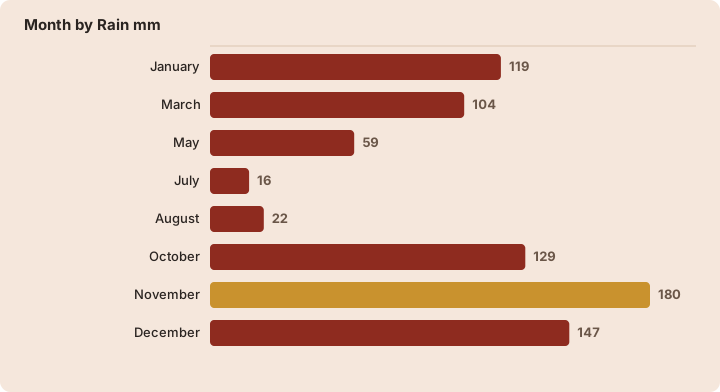
The climate context is worth seeing in full, because it also answers the "when should I go" safety question. These are 30-year averages for the Pompei grid point computed from the Open-Meteo historical archive, an ERA5 reanalysis grid rather than a weather station, so every figure carries an "about":
| Month | About Tmax C | About Tmin C | Rain mm |
|---|---|---|---|
| January | 12.2 | 6.6 | 119 |
| March | 14.9 | 8.1 | 104 |
| May | 21.6 | 14.1 | 59 |
| July | 28.7 | 21.1 | 16 |
| August | 29.4 | 21.8 | 22 |
| October | 21.3 | 15.1 | 129 |
| November | 16.9 | 11.5 | 180 |
| December | 13.2 | 8.0 | 147 |
November is the wettest month at about 180 mm and July the driest at about 16 mm, and that matters for safety too: wet basalt after autumn rain is as much a slip hazard as dry stone is a heat sink. Whichever month you choose, the best time to visit Pompeii guide weighs comfort against crowds, and the park's monthly visitor table shows May and October, 516,923 and 481,255 visitors respectively in 2024, as the heaviest shoulder months, so comfort season and quiet season do not coincide.
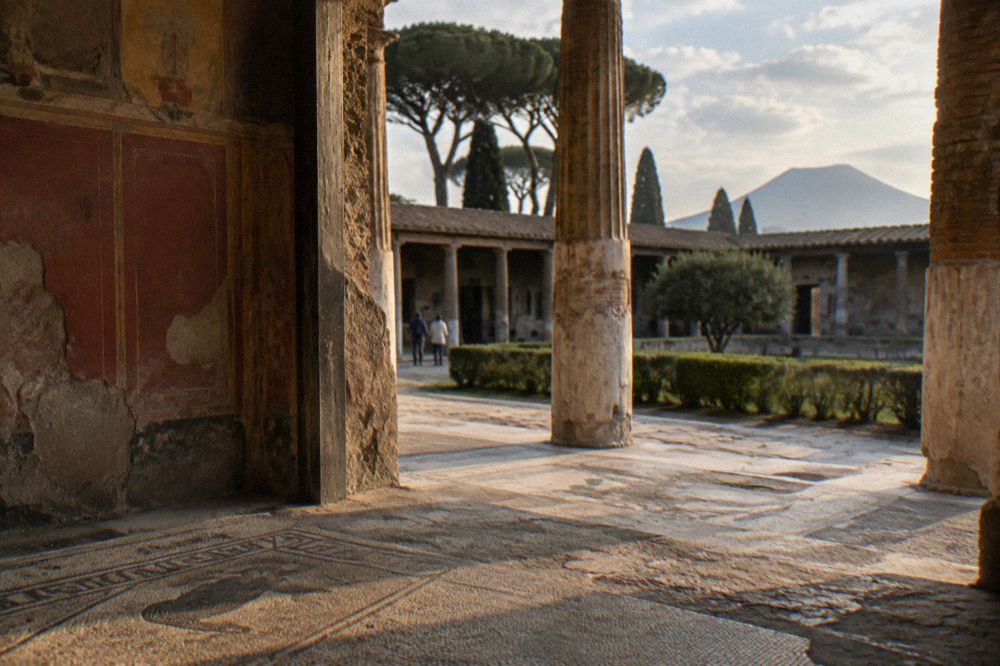
Practical health notes are few and unglamorous. Fill bottles at the park's water points rather than carrying the day's supply from Naples. Eat something salty at lunch; the site's food options are covered in the food in the park guide. Toilets exist but are spread out, so the site's toilets and facilities article is worth a skim before a visit with children. And if a member of your party has a condition that heat aggravates, treat a July or August afternoon inside the walls as a genuinely demanding environment, not a stroll.
Is It Safe To Get To Pompeii From Naples, Sorrento Or Rome?
**Yes, and the journeys carry the same low-level risks as any Italian regional travel: pickpocketing on busy trains and motorway service-station stops on long coach days. Driving distances to Pompei Scavi, measured on OpenStreetMap routing, run about 24 km and 22 minutes from Naples, 26 km and 37 minutes from Sorrento, 31 km and 30 minutes from Salerno and 234 km and 159 minutes from Rome.
The train is the everyday route and needs only ordinary caution, front-worn bags on the Circumvesuviana, which the site's dedicated guide covers alongside the suspended Campania Express. For the Rome end of the journey, the Rome to Pompeii day trip and Rome to Pompeii by train guides lay out the options, and a booked day-trip product with transport handled, such as the Sorrento and Amalfi Coast day trip from Rome, trades a little flexibility for the removal of every station-decision risk. Long coach days run to 12 or 13 hours, so factor fatigue into the safety equation for children and older travellers.
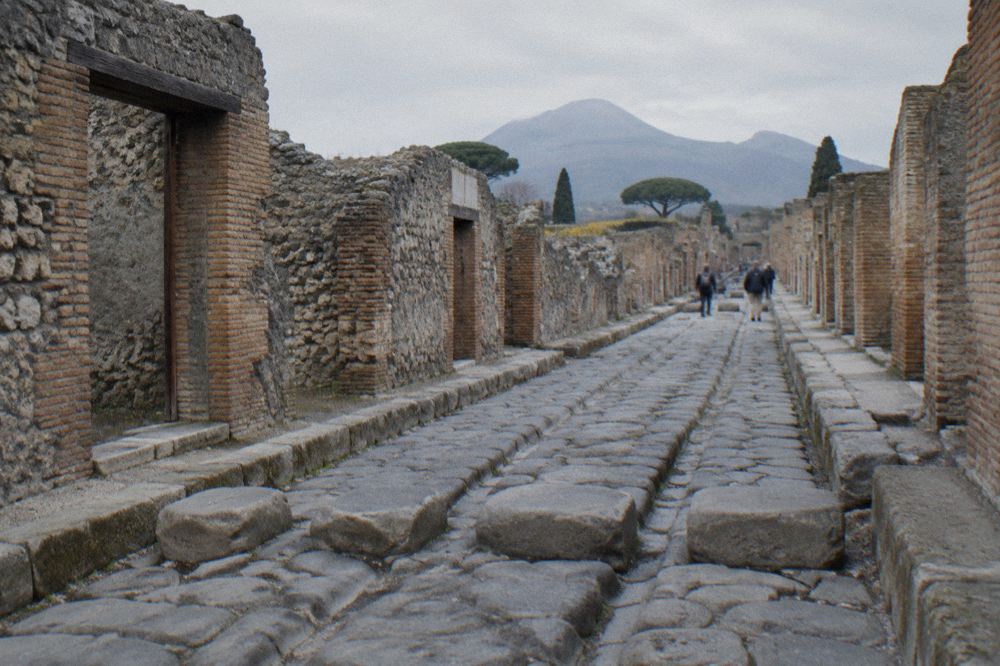
For visitors combining Pompeii with the wider region, the same rules travel: the Amalfi Coast to Pompeii route involves winding roads where the driver's attention matters more than crime, and the Naples base versus Sorrento base comparison affects how late you are travelling back.
| Route To Pompei Scavi | Road Distance | Driving Time (OSM Routing) | Journey Caution |
|---|---|---|---|
| From Naples | 24 km | About 22 min | City traffic at both ends, unlicensed parking touts |
| From Sorrento | 26 km | About 37 min | Winding sections, summer congestion |
| From Salerno | 31 km | About 30 min | Motorway exits, service-station crowds |
| From Rome | 234 km | About 159 min | Fatigue on long coach days, station pickpockets |
Guided Tour Or On Your Own: Which Is Safer At Pompeii?
A guided small-group tour is marginally the safer format, not because the site is dangerous alone, but because a guide keeps you on a sensible route, paces the heat exposure, stops you wandering into the site's remoter stone streets with empty water bottles, and removes every tout interaction at the entrances. Self-guiding is entirely viable and safe with good preparation, and the honest trade-off is convenience and pacing against cost and freedom.
The detailed argument lives in the guided tour versus self-guided comparison, but the safety angle is specific: guides know where the shade, water and toilets are, they know which stretches of paving are worst, and their groups move through pinch points quickly rather than lingering with wallets exposed. A licensed guide is also the clean answer to the unofficial-guide problem, since a pre-booked archaeologist-led group means nobody at the gate has anything to sell you.
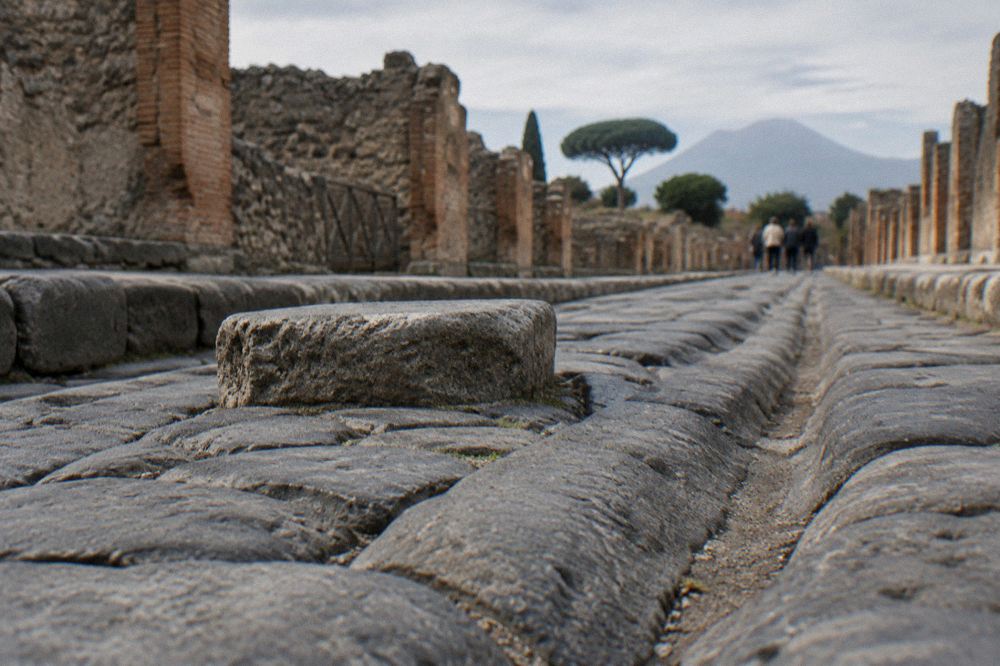
For visitors who prefer their own pace, the self-guided safety kit is short: the offline map from the Pompeii map resource, tickets bought in your own name, water, grip shoes and an early start. Whether a group or your own feet carry you, the underlying answer to this whole page does not change. Pompeii is a well-managed state park in Campania, Italy, whose genuine hazards, heat, stone and petty theft, are the hazards of any crowded Mediterranean attraction, and preparation beats fear every time.
For everything else this site covers, from the practical Pompeii tips collection to the deeper history in Pompeii history, start from the Pompeii Travel Guide homepage and plan with the ticket, transport and climate facts in hand rather than with worry.
Common Questions About Safety At Pompeii
Is Pompeii safe for tourists?
Yes. The archaeological park of Pompeii in Campania, Italy, is a staffed state site with a 20,000 visitors per day cap since 15 November 2024, identity checks possible at entry and left luggage facilities. The realistic risks are heat, uneven ancient paving and pickpocketing at crowded pinch points, all manageable with water, grip shoes and a front-worn bag.
Are there pickpockets at Pompeii?
Pickpocketing occurs at the crowded spots, chiefly the ticket queues at Porta Marina, Piazza Esedra and Piazza Anfiteatro, the turnstiles and the famous houses, and on packed Circumvesuviana trains to the Pompei Scavi-Villa dei Misteri station. The published data holds no crime statistics, so treat this as standard crowded-attraction caution: zipped bag in front, nothing in back pockets.
Can you walk around Pompeii on your own safely?
Yes. Self-guiding is safe with the right kit: tickets bought officially in your own name, an offline map, closed shoes with grip for the cart ruts and stepping stones, water for a largely shadeless 44-hectare site, and an early start in the summer months.
What scams should I watch for at Pompeii?
The standard set: unofficial guides at the entrances, claims that the site is closed, friendship-bracelet and rose pressure tactics, padded restaurant bills near the entrances and unlicensed parking attendants. None involves violence. Book tickets and tours officially, decline gifts firmly and read displayed menus, and every one of these collapses.
Is Pompeii safe in extreme heat?
Only with preparation. August mean daily maxima at the Pompei grid point run about 29.4 C on exposed stone with roughly 22 mm of rain in the month, so enter at 9:00, carry and refill water, cover your head and shoulders, and take shade breaks at indoor spots such as the Antiquarium.
The short version of this whole guide fits in one sentence: go early, wear real shoes, buy your own ticket, keep your bag in front, and treat the heat with more respect than the touts, and Pompeii will be one of the safest big attractions you visit in Italy.