Vesuvius Wine Tasting
The same volcano that buried Pompeii in AD 79 left behind black volcanic soil that winemakers on its slopes still work today. Here is how Vesuvius wine tasting works, from the ruins to the vineyards and back.
Short answer
Vesuvius wine tasting means visiting wineries inside the Mount Vesuvius National Park and beside the archaeological park of Pompeii in Campania, Italy. Tastings pair local lava-soil wines with lunch, and several tours combine them with Pompeii or the crater in a single day. The 2026 park ticket is EUR 20 for the ancient city; from 1 January 2027 it becomes a single EUR 25 ticket for all park sites.
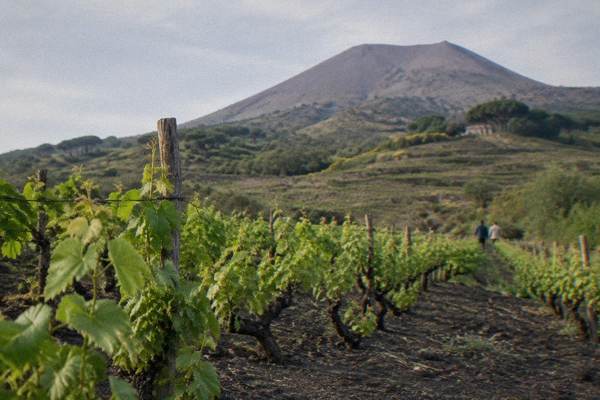
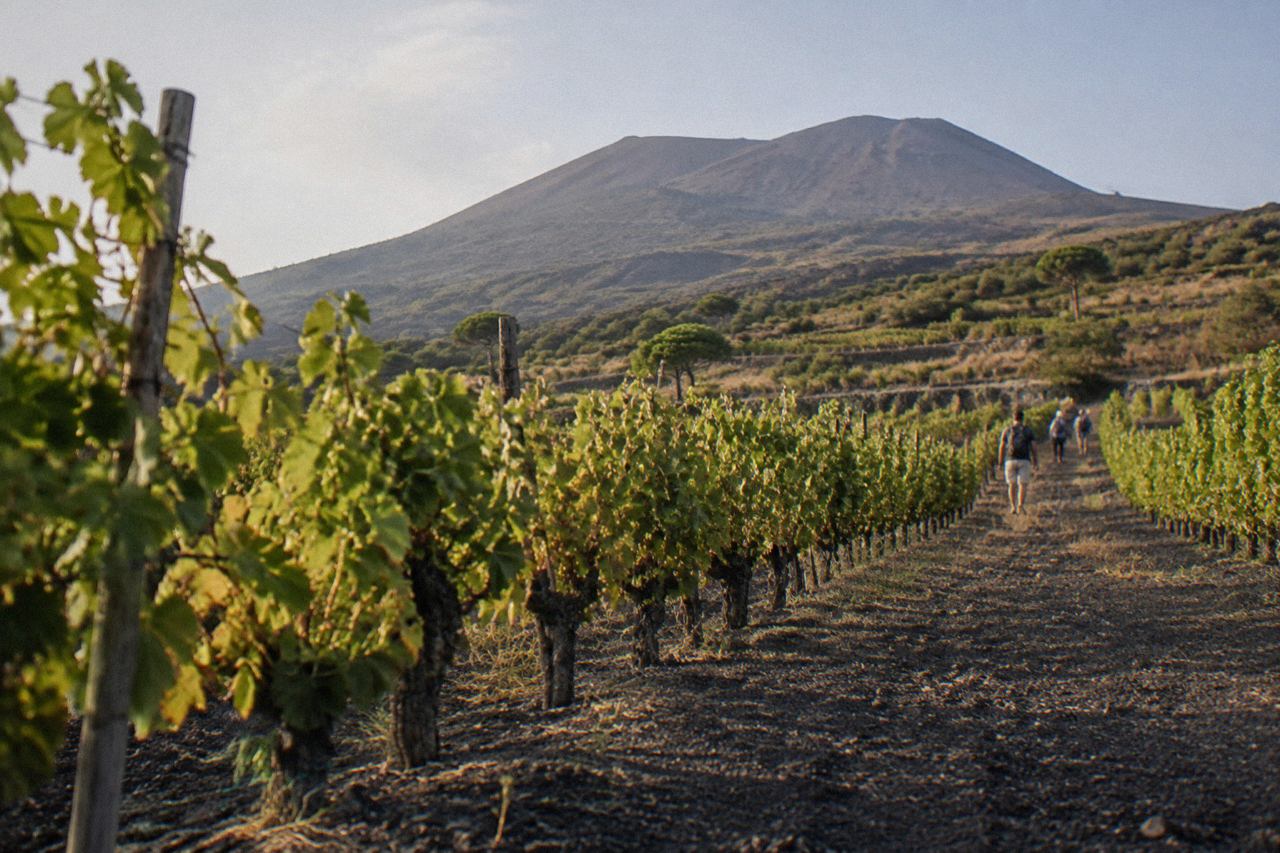
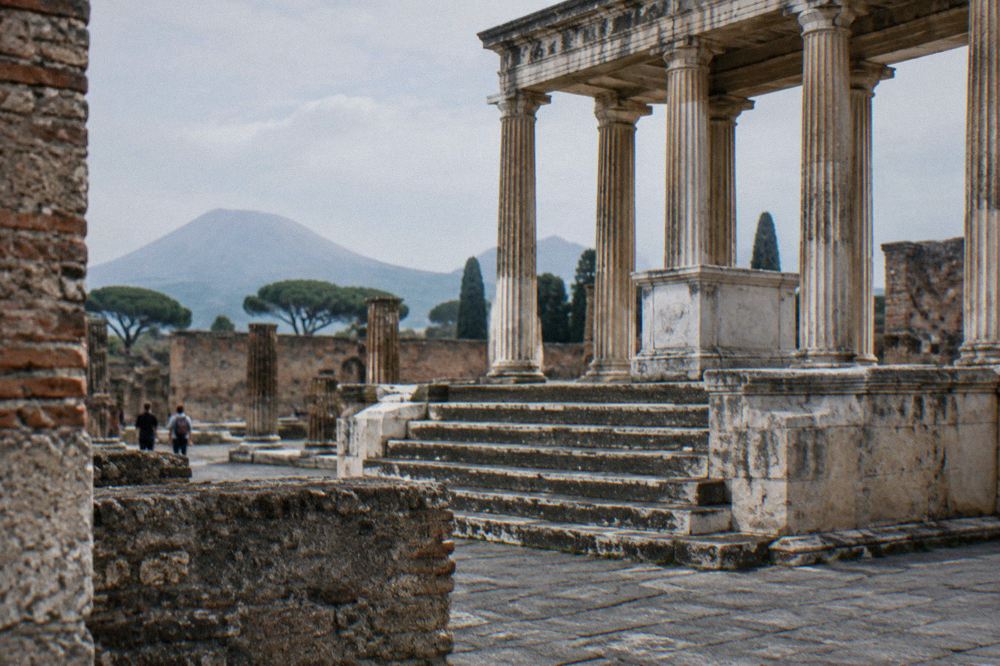
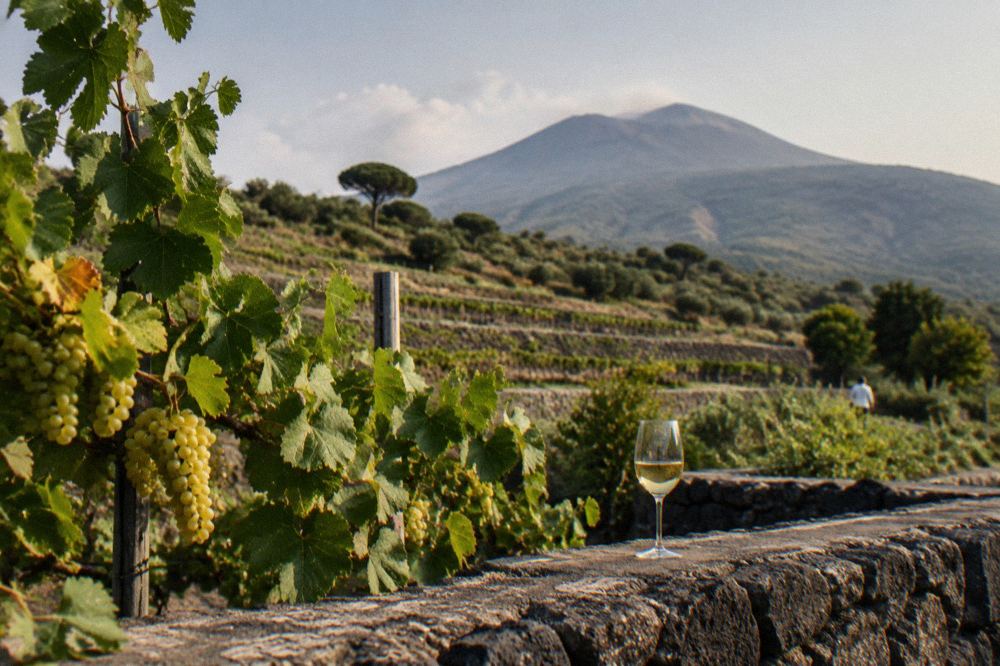
The vineyards of Mount Vesuvius grow in soil the volcano itself made. Pompeii, the ancient Roman city in Campania, southern Italy, was buried by Vesuvius in AD 79, and the eruption that destroyed it also spread ash and lava across the surrounding slopes of the Bay of Naples. Today those same slopes and a short hop from the modern town of Pompei, carry working vineyards inside the Mount Vesuvius National Park. Wine has been made here since long before the eruption, and the lava-rich earth still shapes every bottle poured at a Vesuvius wine tasting.
What Makes Wine From The Slopes Of Vesuvius Different?
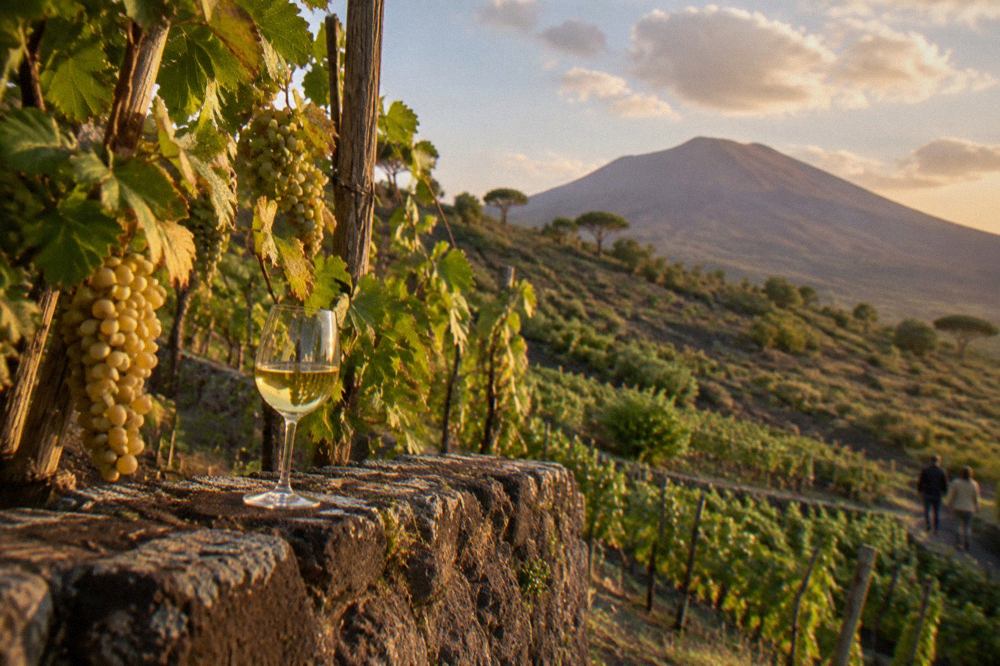
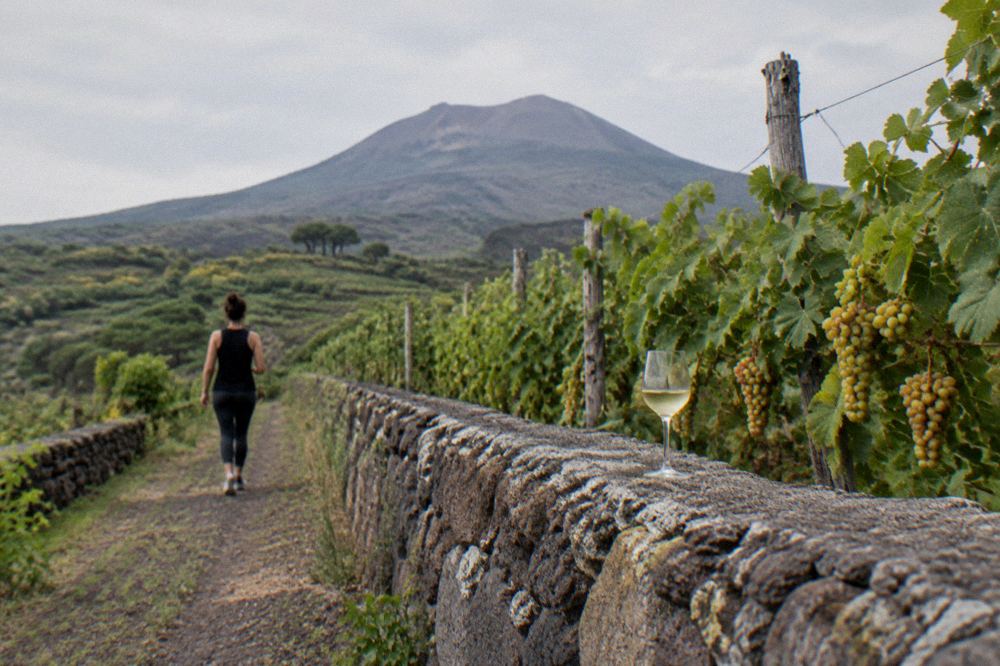
Wine from the Vesuvius slopes grows in black volcanic soil, the product of the same eruptions that shaped the whole Bay of Naples, inside a national park that rings the volcano above Pompeii and the modern town of Pompei in Campania, southern Italy. The lava and ash layers give the local vines a mineral character that the region's winemakers treat as their signature, and one that no other wine zone in Italy can copy. Viticulture here predates the AD 79 eruption that buried Pompeii, and the terraced vineyards on the volcano's flanks survive because families kept working them through centuries of eruptions, including the most recent in 1944. The result is a small, distinct wine zone that exists because of, not despite, the volcano.
The park around the volcano protects both the crater trail and the agricultural belt below it. Wineries sit inside this belt, generally reached by road rather than rail, which is why nearly every wine-tasting visit is either a drive, an organised tour or a taxi from the Circumvesuviana stations at Pompei. The volcano's destructive history is the point: the 1944 eruption, which killed people across these same communities, is covered in how many people died when Mount Vesuvius erupted in 1944, and the geological story continues in is Vesuvius ever going to erupt again.
What you taste at the wineries is a direct expression of that geology. The grapes are grown on deep ash beds and old lava flows, and the producers pour them alongside food grown on the same slopes: vegetables, olives, hazelnuts and the tomatoes the area is known for. Naples survived the eruption that destroyed Pompeii, a question explored in why wasn't Naples destroyed by Vesuvius, and its food culture grew up intertwined with this countryside. A tasting lunch here is really a tasting of the whole volcanic terroir.
Where Can You Do A Vesuvius Wine Tasting Near Pompeii?
The tastings happen at wineries inside the Mount Vesuvius National Park and at agriturismo farms between the crater road and the coast, all reached from Naples, Pompei or Sorrento rather than inside the excavations themselves, and none of them are inside the archaeological park. You cannot taste wine among the ruins; the cellars sit on the volcano's slopes above and beside the ancient city. Some products keep the day simple with just lunch and a tasting at the winery, others bolt on the Pompeii ruins or the crater trail, and one contrasts sharply on price because it is only a shuttle bus. Choosing between them is a matter of how much of the day you want filled.
The featured option on this site is the Pompeii and Vesuvius Elite tour from Naples, a combined day that pairs the ruins with the volcano and a lunch or wine tasting stop, an eight-hour format from Naples. Its figures, price, rating and duration, render on its own card below rather than in this prose. For readers who want the wine to lead, there is a dedicated Naples-departing tasting day, and for independent travellers the round-trip shuttle bus to Pompeii remains the budget route to the ruins, from which a taxi reaches the wineries.
The roster below compares the wine-side options on this site by what they are and where they start.
| Experience | Kind | Starts From | What It Centres On |
|---|---|---|---|
| Lunch and wine tasting in the national park | Wine tasting | Pompei area | Organic lunch and tasting at the winery |
| Pompeii tour and lunch with wine tasting | Wine tasting | Pompei area | Ruins walk followed by a tasting lunch |
| Vesuvius and Pompeii signature tour | Wine tasting | Naples | Crater or ruins with light lunch and wine |
| Horse riding on Vesuvius with tasting and dinner | Wine tasting | Pompei area | Ride on the slopes, then tasting and dinner |
| Pompeii tour and Vesuvius wine tasting with lunch | Wine tasting | Naples | Full day, ruins plus winery lunch |
If you would rather assemble the day yourself, the decisions are which park ticket to hold, how to reach the slopes and whether the crater walk fits before or after lunch. The combined-days question is covered in is it better to do Pompeii or Vesuvius first, and the full two-site plan is laid out in Pompeii and Vesuvius in one day.
How Much Does A Vesuvius Wine Tasting Day Cost?
A tasting day has two cost layers: the bookable experience, whose price renders only on its own listing, and the separate park entry fees, which in 2026 run EUR 20 for the Pompeii Express ticket and EUR 8 for each of the smaller park sites, with a single EUR 25 all-sites ticket replacing the structure on 1 January 2027. The tour layer covers transport, the guide and usually lunch with the wines. The ticket layer is set by the archaeological park itself, and those figures change on a published schedule you should read before budgeting.
The park's own 2026 prices, in force since 12 January 2026 and ending 31 December 2026, are listed below. The 2027 change was announced by the park on 14 September 2026: one EUR 25 ticket for all park sites, valid 30 days, one entry per site, with Oplontis, the Stabiae site and Boscoreale staying EUR 8 individually and the MyPompeii Card staying EUR 45. Nothing in that release removes the nominative ticket rule or the 20,000 visitors-per-day cap introduced on 15 November 2024.
| Park Ticket (2026, Ends 31 Dec 2026) | Price | Covers |
|---|---|---|
| Pompeii Express | EUR 20 | The ancient city only |
| Pompeii+ | EUR 25 | City, suburban villas, Boscoreale and shuttle |
| 3-Day Ticket | EUR 30 | Pompeii+ plus Oplontis, Stabiae villas and museum, Boscoreale |
| Other Sites Individually | EUR 8 | Boscoreale, Oplontis or the Stabiae museum |
| MyPompeii Card (Annual) | EUR 45 | Annual pass, EUR 10 reduced |
Reduced entry of EUR 2 applies to EU citizens aged 18 to under 25, and entry is free for under-18s and for everyone on the first Sunday of the month. The full ticket mechanics, including the villas add-on at the Porta Ercolano entrance, are explained in the site's Pompeii tickets guide.
The featured combined day from Naples is worth a look here, since it folds the ticket question and the lunch question into one booking. You can check its live listing directly, and the operator's listing carries the cancellation terms before you pay.
Can You Combine Pompeii, The Crater And A Tasting In One Day?
Yes, and it is the format most of the wine products on this site are built around: a morning in the excavations, an early-afternoon walk up the Gran Cono trail, and a late lunch with tasting at a winery on the slopes, all achievable inside a single day from Naples or Sorrento. The crater adds its own rules. Gran Cono tickets are online only, issued as timed slots, and the trail closes automatically when an orange weather alert is issued, with an automatic refund. The walk takes about two hours return by the shortest route, up to three by the longest.
The crater's access hours shift by month: 09:00-15:00 in January, February, November and December, 09:00-16:00 in March and October, 09:00-17:00 in April, May, June and September, and 09:00-18:00 in July and August. Daily caps run from 2,160 to 3,240 visitors, released as 50 tickets per 10-minute slot up to 30 days ahead plus 10 last-minute nominative tickets per slot from 30 minutes before, a rule in force since 11 April 2026. What the ticket costs is covered plainly in how much does it cost to go up Mount Vesuvius, and the walk itself in how long is the walk up Vesuvius.
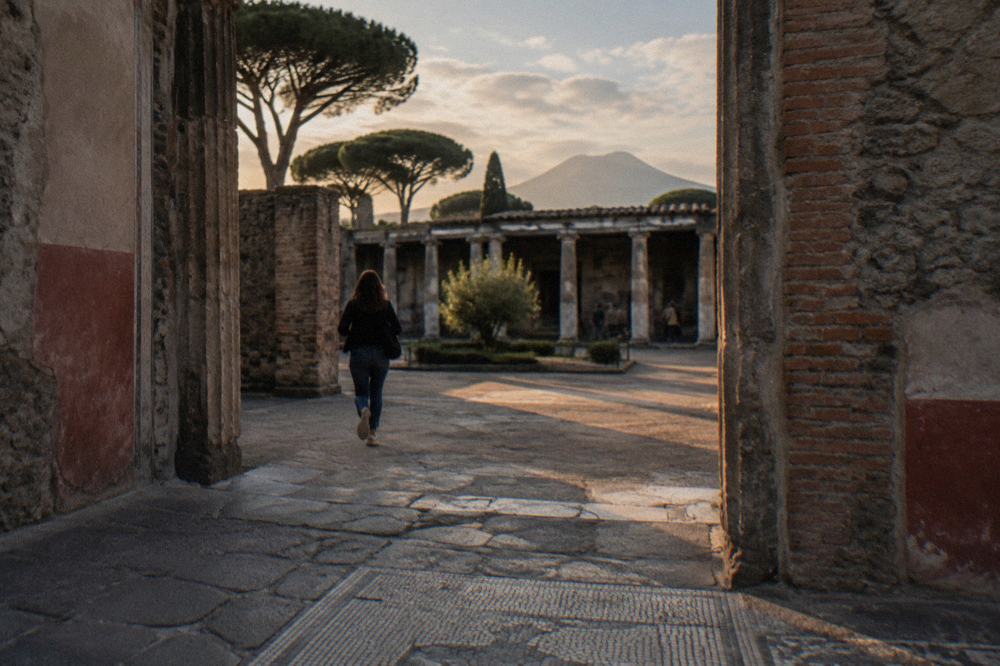
A wine-centred alternative skips the crater entirely and gives the volcano's soil to you through the glass instead. One Pompeii-area product pairs the ruins walk with a long tasting lunch, a five-hour format; another keeps everything on the farm with an organic lunch and tasting. The five-hour ruins-plus-lunch option suits travellers who want archaeology and wine in equal measure without the climb.
The order of the day matters less than the gaps. The last entrance to Pompeii is 17:30 in the summer season and 15:30 from 15 October, and the wineries serve late lunches happily, so a crater-first morning with a 14:00 table works as well as ruins-first. The two-day version, which spreads Pompeii, Herculaneum and Vesuvius across a slower itinerary, is set out in two days around Pompeii, Herculaneum and Vesuvius.
When Is The Best Time Of Year For Wine Tasting At Vesuvius?
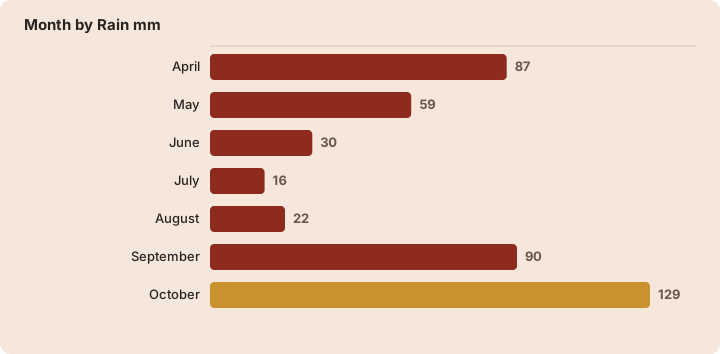
The tasting season runs longest on either side of summer: May, June, September and October combine workable crater hours, warm tables on the winery terraces and fewer cruise crowds than July and August, while the harvest itself falls in September and October when the vines are heavy. Climate normals for the Pompei grid point, computed from the Open-Meteo 1991-2020 archive, put September at about 25.3 C daily maximum and 90 mm of rain, October at about 21.3 C and 129 mm. August is the hottest month at about 29.4 C, but it is also the most crowded at the ruins.
| Month | About Tmax C | About Tmin C | Rain mm |
|---|---|---|---|
| April | 17.7 | 10.4 | 87 |
| May | 21.6 | 14.1 | 59 |
| June | 25.8 | 18.2 | 30 |
| July | 28.7 | 21.1 | 16 |
| August | 29.4 | 21.8 | 22 |
| September | 25.3 | 18.6 | 90 |
| October | 21.3 | 15.1 | 129 |
Rain concentrates in the cold months: November averages about 180 mm and December about 147 mm, against July's 16 mm. Winter tasting is still possible, since the wineries are working farms, but the crater window narrows to 09:00-15:00 from November, and a cold summit is a real consideration, as is it cold at the top of Vesuvius explains. The park's own monthly visitor counts show why timing matters at the ruins next door: May 2024 counted 516,923 visitors and October 481,255, against 142,648 in February.
Its card carries the figures; what matters in prose is that it removes the timing puzzle above by fixing the sequence for you.
How Do You Get To The Vesuvius Wineries?
You reach the wineries by road from Pompei, Naples or Sorrento: the Circumvesuviana railway serves Pompei Scavi-Villa dei Misteri station beside the excavations, scheduled journeys from Napoli Garibaldi take 29 to 35 minutes, and from the station the vineyards are a taxi or tour-vehicle ride up the slopes. The wineries are not on a rail line, so a hire, a taxi or an organised day is the practical answer, and this is the main reason wine days here are usually booked as products rather than improvised.
The railway facts that are published: EAV's own timetable data, from the operator's open-data feed dated 30 September 2026, gives the scheduled Napoli Garibaldi to Pompei Scavi-Villa dei Misteri journey as 29 to 35 minutes, with the median at 29, and the onward leg from Pompei Scavi to Sorrento at 34 to 40 minutes.
| Rail or Road Journey | Published Figure |
|---|---|
| Napoli Garibaldi to Pompei Scavi (scheduled) | 29-35 minutes |
| Pompei Scavi to Sorrento (scheduled) | 34-40 minutes |
| Naples to Pompei Scavi by road | 24 km, about 22 minutes |
| Sorrento to Pompei Scavi by road | 26 km, about 37 minutes |
| Salerno to Pompei Scavi by road | 31 km, about 30 minutes |
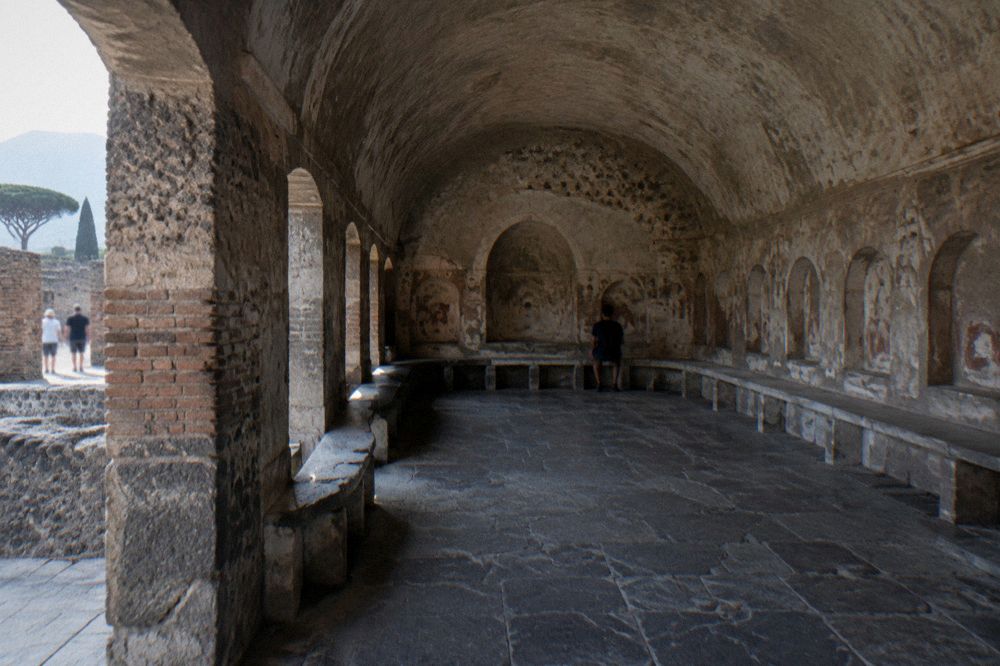
Driving is covered in can I drive up Mount Vesuvius, and the summit access rules in how to visit Mount Vesuvius. One further caution for the crater leg: taking stones is prohibited, as can I take a rock from Mount Vesuvius makes clear, and the rule applies equally to vineyard land.
What Should You Know Before Booking A Vesuvius Wine Tour?
Read three things on the live listing before you book: what the price includes (park entry, lunch, transport), where the day starts, and the cancellation terms, because wine days run in all but orange-alert weather and the crater leg can close automatically at short notice. A tour does not replace the park's own ticket rules; nominative tickets, the bag limit of 30x30x15 cm and ID checks at entry apply to everyone, tour guest or not. Where a product's entry includes a park ticket, its roster entry says so, and that is the only place the inclusion can be confirmed.
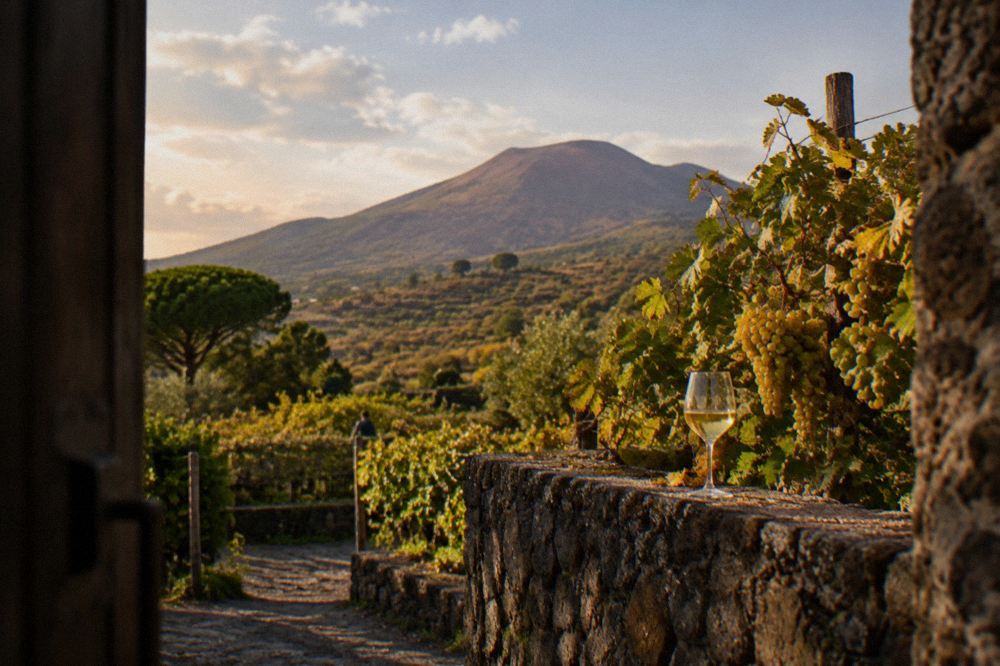
The tasting itself is generous but paced. Tables at the wineries run long, several courses with a flight of the estate's wines, and the afternoon usually ends with the volcano in front of you rather than behind you. Visitors with mobility difficulties should note that the "Pompeii for All" route enters at Piazza Anfiteatro, and that the crater trail is a mountain path, so the winery lunch is the most accessible half of the day. Family groups are well served: under-18s enter Pompeii free, and children under 6 enter the Gran Cono free, though wine is obviously for the adults.
| Planning Item | The Rule as Published |
|---|---|
| Pompeii ticket (2026) | EUR 20 Express, EUR 25 Pompeii+, EUR 30 three-day |
| From 1 Jan 2027 | Single EUR 25 ticket, all park sites, 30 days, one entry per site |
| Free and reduced entry | Under-18s free; EUR 2 for EU citizens 18 to under 25; first Sunday free |
| Daily cap at Pompeii | 20,000 visitors per day, nominative tickets since 15 Nov 2024 |
| Bags at Pompeii | Maximum 30x30x15 cm, larger bags to left luggage |
| Vesuvius Gran Cono | Online-only timed tickets, 50 per 10-minute slot, bookable 30 days ahead |
| Crater closure rule | Automatic closure on orange weather alert, automatic refund |
A more unusual evening format pairs a horse ride on the volcano's slopes with a wine tasting and dinner, a Pompeii-area product that flips the usual order: the tasting comes at the end of the day rather than the middle. Like every product on this site, its price, rating and review count render on its card.
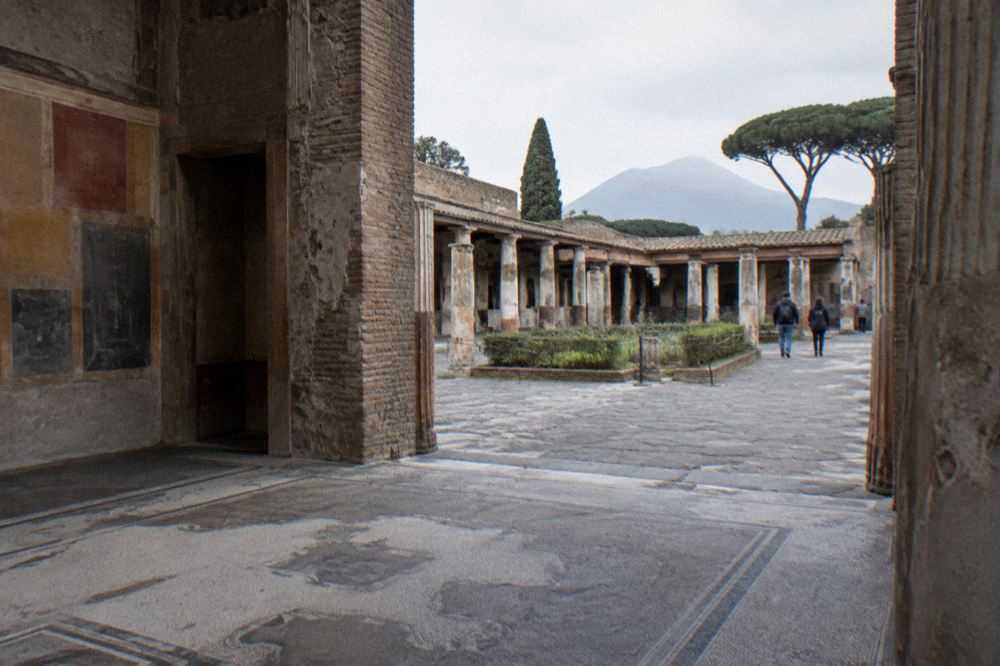
For the deeper background, the Mount Vesuvius hike guide, the Vesuvius crater trail page and the site's Vesuvius travel map cover the walking side, while the eruption history that created this soil begins with when did Vesuvius erupt. Whether Vesuvius or Etna is the bigger volcano is answered in which is bigger, Vesuvius or Etna. This Pompeii Travel Guide page keeps the wine day separate from the geology, but the two are the same story.
Common Questions About Vesuvius Wine Tasting
Can you do a Vesuvius wine tasting from Pompeii itself?
Yes. Several wine experiences start in the Pompei area, a short drive from the excavations, and one combines the ruins walk with a tasting lunch in a five-hour format. The wineries sit inside the national park on the volcano's slopes, reached by road from the modern town, so a taxi, hire car or booked tour is needed for the final leg.
How much does a Vesuvius wine tasting cost?
Prices render on each product's live listing rather than in this guide, since they change with season and availability.
Is wine tasting at Vesuvius combined with the crater walk?
Some products combine the Gran Cono crater trail with a winery lunch on the same day.
What is the best month for Vesuvius wine tasting?
September and October, when the harvest is on and the climate normals show about 25.3 C and 21.3 C daily maximums respectively.
Do children pay for Pompeii on a wine tour day?
Under-18s enter the archaeological park free, and children under 6 enter the Vesuvius Gran Cono free, while under-25s get reduced crater pricing.
However you build the day, the wine on this volcano is inseparable from its history: the soil in the glass is the same material that sealed Pompeii in AD 79, and the families pouring it farm the slope that produced it. Choose the format that matches your energy, book the crater slot early if the climb is on the list, and give the lunch table the long end of the afternoon.