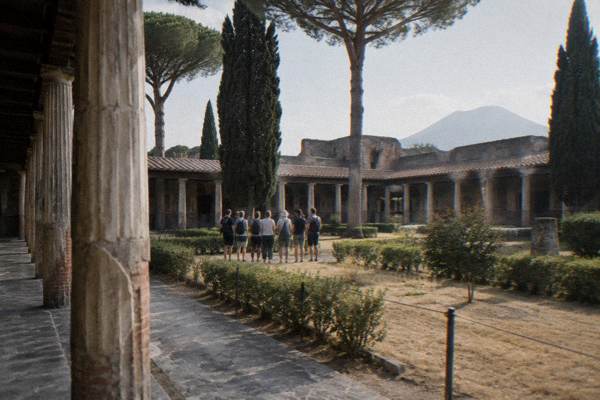
Castellammare Di Stabiae
Castellammare di Stabiae sits on the Bay of Naples in Campania, southern Italy, between Pompeii and Sorrento, and holds the Roman villa sites of ancient Stabiae, which belong to the same archaeological park as Pompeii.
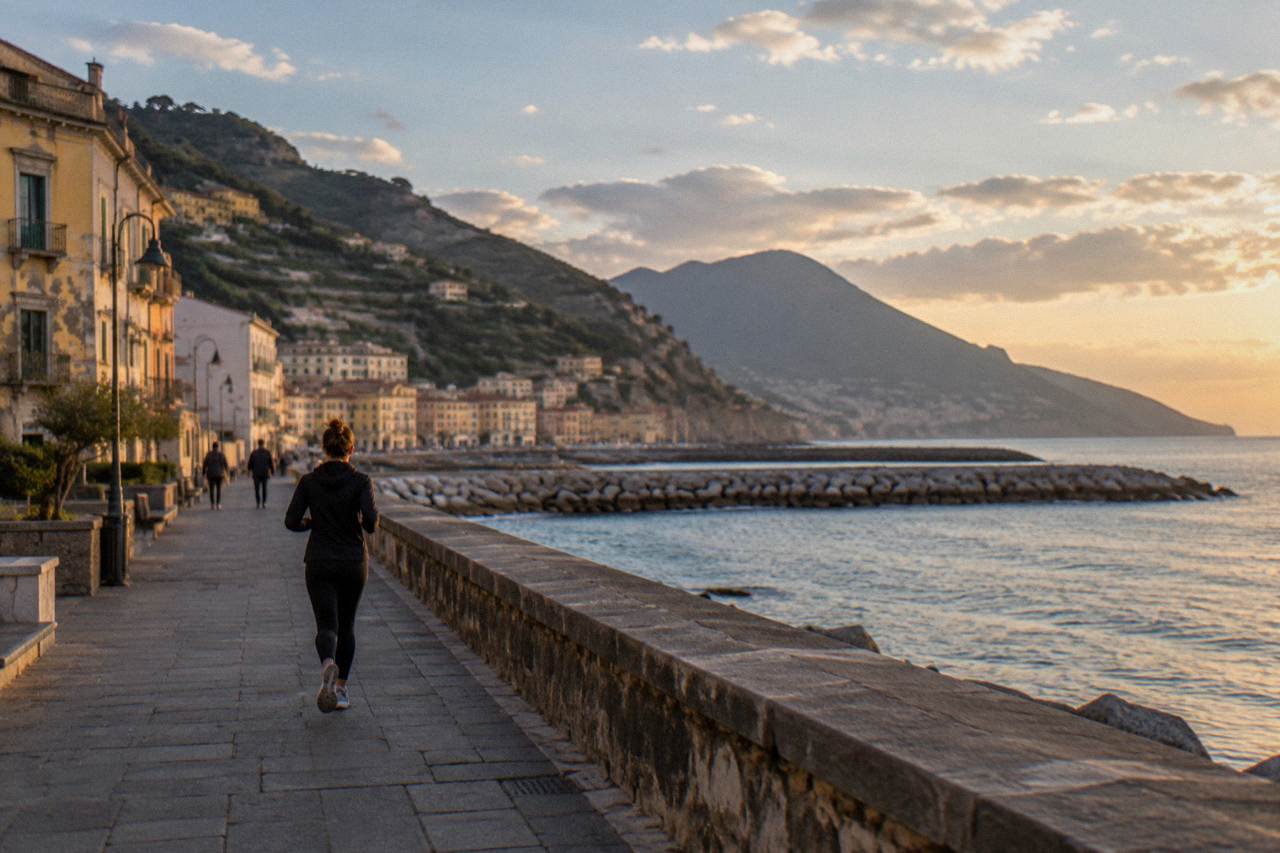
Short answer
Castellammare di Stabiae is a coastal town in Campania, southern Italy. Its archaeological sites, the Villa Arianna, the Villa San Marco and the Stabiae museum, cost EUR 8 each in 2026, are closed on Tuesdays, and join the single EUR 25 park ticket from 1 January 2027.
Castellammare di Stabiae is a working port and spa town on the Bay of Naples in Campania, southern Italy, standing between the ancient city of Pompeii and the Sorrento peninsula. The modern town, known locally for its thermal springs and its shipyard, is built across the remains of ancient Stabiae, a Roman resort town destroyed by the same eruption of Mount Vesuvius in AD 79 that buried Pompeii and Herculaneum. Where Pompeii was a full city, Stabiae was a ridge of seafront villas owned by the Roman elite, and two of those villas, plus a small museum, are open today under the management of the Parco Archeologico di Pompei. This guide covers what is actually visible at Stabiae, how tickets work in 2026 and from 2027, how to reach the town, and how to fold it into a wider Vesuvian itinerary.
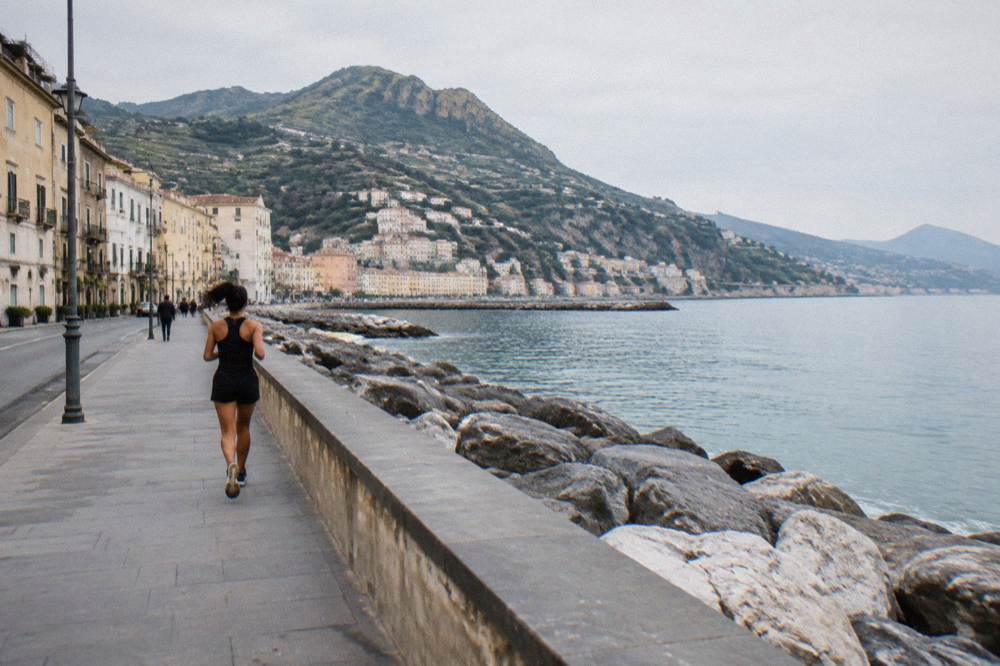
Where Is Castellammare Di Stabiae And What Is Stabiae?
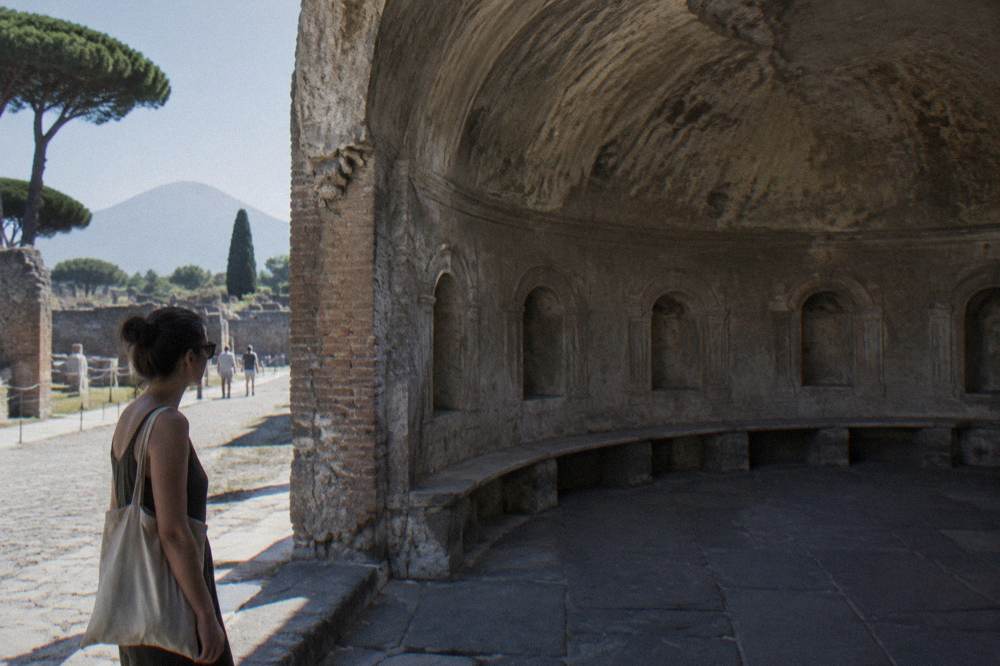
Castellammare di Stabiae lies on the northern shore of the Sorrento peninsula in Campania, southern Italy, at the point where the Lattari mountains drop into the Bay of Naples. The town sits directly across the bay from Naples itself, between the excavations of Pompeii and the start of the Sorrento peninsula. The ancient settlement of Stabiae occupied the plateau above the modern town and was a resort of substantial villas rather than a commercial city, a contrast that still shapes the visit: the Stabiae sites are quieter, smaller and greener than Pompeii, set among pine trees with wide views over the water toward Vesuvius. Stabiae was buried by the AD 79 eruption, traditionally dated to 24 August, though the park's own e-journal notes that the alternative October date has no evidentiary basis and that the debate remains open.
The identity of the place matters for planning. Ancient Stabiae must not be confused with the ancient city of Pompeii beside the modern town of Pompei, nor with Herculaneum at Ercolano, nor with Oplontis at Torre Annunziata. All four are separate archaeological sites around the bay, and the first three are run by the same park authority, which is why a single ticket structure covers them. The Pompeii Travel Guide homepage gives the overview of the whole park, and this page goes deep on Stabiae alone.
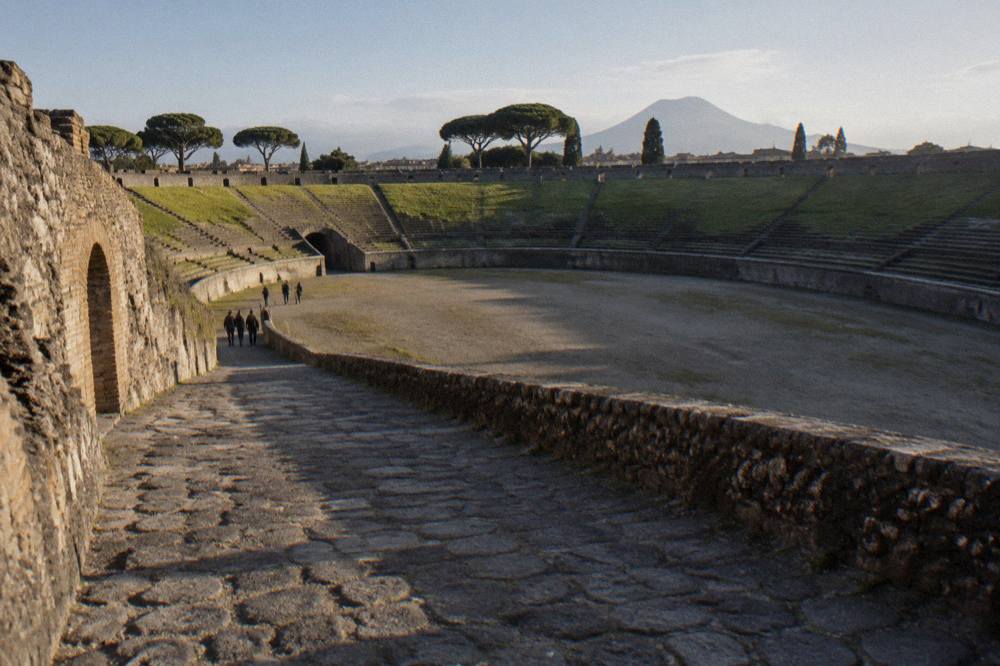
What Can You Actually See At The Stabiae Sites?
The open sites at Stabiae are the Villa San Marco, the Villa Arianna and the Antiquarium stabiano museum, and together they make a half-day visit built around architecture, frescoes and views rather than city streets, with all three closed on Tuesdays and each costing EUR 8 in 2026. The Villa San Marco is the closer of the two villas to the town centre and is one of the largest Roman villas ever excavated in Campania, with courtyards, a bath complex, painted rooms and a long terrace that looks straight down the bay toward Vesuvius. The Villa Arianna, a short walk uphill, is named for a fresco of Ariadne and holds some of the earliest wall paintings found on the peninsula, along with the famous Second Style frescoes that influenced how archaeologists read Roman interior decoration. The Antiquarium stabiano, the museum in the town, displays finds from the villas and from the wider Stabiae area.
Two practical cautions come straight from the park's own pages. The Stabiae villas and the museum are closed on Tuesdays, a weekly closure Pompeii itself does not have, so a Tuesday arrival finds the whole site shut. And the sites are terraced into a hillside, so comfortable shoes and water matter, particularly from June to August when the Pompei grid-point climate normals show mean daily maxima of about 25.8 to 29.4 degrees.
| Stabiae site | What it is | Key features | 2026 ticket | Opening pattern |
|---|---|---|---|---|
| Villa San Marco | Excavated Roman villa | Bath complex, courtyards, sea terrace | EUR 8 (park site ticket) | Closed Tuesdays |
| Villa Arianna | Excavated Roman villa | Second Style frescoes, garden area | EUR 8 (park site ticket) | Closed Tuesdays |
| Antiquarium stabiano | Site museum | Finds from Stabiae and the villas | EUR 8 (park site ticket) | Closed Tuesdays |
For travellers pairing Stabiae with its neighbours, the companion pages on Herculaneum at Ercolano and Oplontis at Torre Annunziata cover the other secondary sites of the park, each with its own character.
How Do Stabiae Tickets Work In 2026 And From 2027?
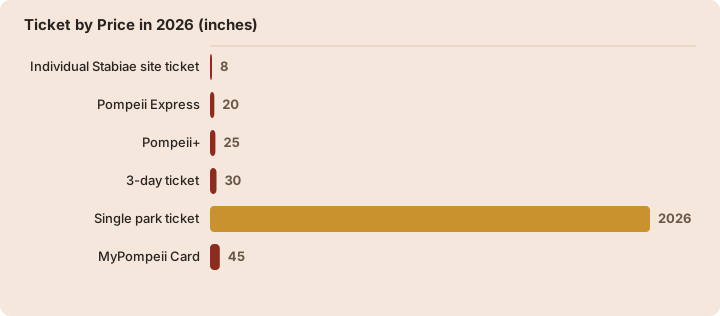
In 2026 each of the three Stabiae sites costs EUR 8 individually, the 3-day Pompeii ticket at EUR 30 includes the Villa Arianna, the Villa San Marco and the Stabiae museum, and from 1 January 2027 a single EUR 25 ticket covers every park site, valid 30 days with one entry per site. The three-tier structure now in force, dated 12 January 2026 on the park's ticketing page, splits into Pompeii Express at EUR 20 for the ancient city only, Pompeii+ at EUR 25 adding the suburban villas, and the 3-day ticket at EUR 30 that folds in Oplontis, the two Stabiae villas, the Stabiae museum and Boscoreale. Under the new tariff system announced by the park on 14 September 2026, that structure disappears at the turn of the year: one EUR 25 ticket, one month of validity, one entry per site. The three smaller sites, Oplontis, the Stabiae museum and Boscoreale, keep an individual EUR 8 price from 2027, and the MyPompeii annual card stays at EUR 45.
Reductions follow the park-wide rules. Entry is free for everyone under 18, EU citizens aged 18 to under 25 pay a EUR 2 reduced rate, and the first Sunday of the month is free for all under the Domenica al Museo scheme, with no seasonal limitation stated on the park's page. Nominative tickets, introduced on 15 November 2024 together with the 20,000 visitors-per-day cap at Pompeii, remain in force under the 2027 system, so carry identification: the park's regulations note that ID may be checked at every entry.
| Ticket | Price in 2026 | What it covers | From 1 Jan 2027 |
|---|---|---|---|
| Individual Stabiae site ticket | EUR 8 | One site: Villa Arianna, Villa San Marco or museum | EUR 8 for museum, villas under park ticket |
| Pompeii Express | EUR 20 | Ancient city of Pompeii only | Replaced |
| Pompeii+ | EUR 25 | City, suburban villas, Boscoreale, shuttle | Replaced |
| 3-day ticket | EUR 30 | Pompeii+ plus Oplontis, Stabiae, Boscoreale | Replaced by single ticket |
| Single park ticket | Not sold in 2026 | All park sites, 30 days, one entry per site | EUR 25 |
| MyPompeii Card | EUR 45 | Annual pass | EUR 45, retained |
Full detail on the main tiers sits on the Pompeii tickets explained page, which follows the same dates and figures.
How Do You Get To Castellammare Di Stabiae?
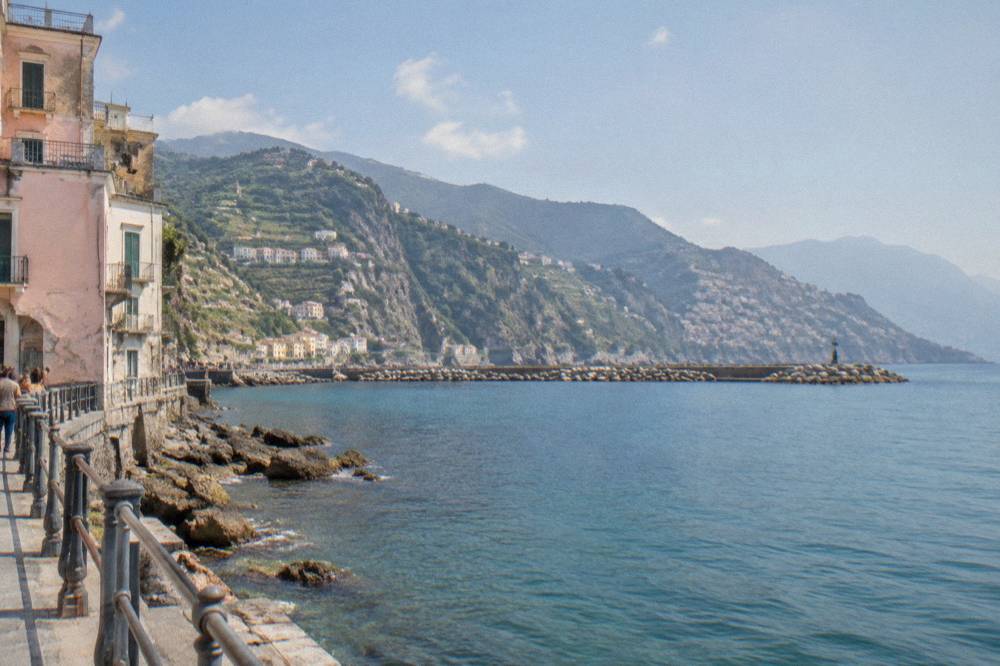
Castellammare di Stabiae is reached by the Circumvesuviana railway line that runs from Naples through Pompeii to Sorrento, by road along the coast, or by boat across the bay, with the train the usual choice for visitors without a car. The Circumvesuviana's route 1, the Napoli to Sorrento line, serves the Sorrento peninsula coast, and the station for the excavations of Pompeii, Pompei Scavi-Villa dei Misteri, is 24 km by road from Naples with scheduled run times of 29 to 35 minutes from Napoli Garibaldi on that line's timetable. For Castellammare itself, the operator EAV publishes line maps and timetables on its open-data pages, and the town's stations sit on the Sorrento branch; consult the operator's current timetable before travelling, because EAV announced on 16 September 2026 a plan of new trains and a revised timetable for the Vesuvian lines. Note that the Campania Express airport-to-coast service has been suspended since 1 October 2026, so it cannot be part of any plan.
By road, the coast road strings together the whole bay: Pompei Scavi lies 24 km and about 22 minutes from Naples, 26 km and 37 minutes from Sorrento, and 31 km and 30 minutes from Salerno, figures computed on the road network rather than published by the operator, so treat them as planning aids. Rome is 234 km and around 159 minutes of driving from the Pompeii excavations, which makes a self-drive day from Rome long but feasible. Parking around the Stabiae sites is street-based in the town; the dedicated guidance on parking for the Pompeii area covers the main sites, and Castellammare is a less pressured place to leave a car than Pompeii on a first Sunday, when the park has recorded more than 36,000 visitors in a single free day.
| Route | Distance by road | Driving time | Notes |
|---|---|---|---|
| Naples to Pompei Scavi | 24 km | About 22 min | Reference point for the bay |
| Sorrento to Pompei Scavi | 26 km | About 37 min | Coast road via the peninsula |
| Salerno to Pompei Scavi | 31 km | About 30 min | Southern approach |
| Rome to Pompei Scavi | 234 km | About 159 min | Long day by car |
Can You Combine Stabiae With Vesuvius Or Pompeii In One Day?
Yes, and the pairing works best in the order Pompeii first, then Vesuvius or Stabiae, because the villas and the crater both have narrower access windows than the ancient city, and the Vesuvius trail runs on timed online-only tickets in blocks of 50 every 10 minutes. The Vesuvius Gran Cono sells tickets bookable 30 days ahead, with access hours that shift by month: 9 to 15 from January, February, November and December, 9 to 16 in March and October, 9 to 17 across April, May, June and September, and 9 to 18 in July and August. The excursion takes 2 hours return on the shortest route and up to 3 hours on the longest. Daily caps run from 2,160 to 3,240 visitors depending on the month, and the path closes automatically on an orange weather alert or above, with automatic refunds when weather shuts the trail. A realistic Stabiae day is the villas in the morning, since they close on Tuesdays and respect the park's seasonal hours, then Vesuvius on an afternoon slot, or the reverse in high summer when the crater is cooler after 4pm.
A two-base day that joins Pompeii and Vesuvius is covered step by step on the Pompeii and Vesuvius in one day itinerary, and the wider multi-site plans are laid out on the Pompeii and Herculaneum in one day itinerary for travellers adding a second buried town.
| Vesuvius Gran Cono period | Access hours | Shortest route | Daily cap range |
|---|---|---|---|
| Jan, Feb, Nov, Dec | 9:00-15:00 | 2 h return | 2,160-3,240 by month |
| Mar and Oct | 9:00-16:00 | 2 h return | 2,160-3,240 by month |
| Apr, May, Jun, Sep | 9:00-17:00 | 2 h return | 2,160-3,240 by month |
| Jul and Aug | 9:00-18:00 | 2 h return | 2,160-3,240 by month |
The crater trail details, including the EUR 11.68 full and EUR 9.55 reduced online prices as sold, are covered on the Mount Vesuvius attraction page.
What Is The Best Time Of Year To Visit Castellammare Di Stabiae?
The shoulder months of April, May, June and September give the most comfortable conditions at Stabiae, with mean daily maxima of about 17.7 to 25.3 degrees and monthly rainfall of 30 to 90 mm at the nearby Pompei grid point, while July and August run hotter at about 28.7 and 29.4 degrees with only 16 and 22 mm of rain. The villas offer limited shade, so a morning visit matters in high summer. November is the wettest month at about 180 mm, and October carries about 129 mm, so late autumn visits should carry a rain layer and a flexible plan, since the Vesuvius trail shuts automatically on weather alerts and the villas' terraced paths become slippery. Winter, from 15 October to 15 March, brings the park's short hours across all sites, last entrance 15:30 and close at 17:00, against last entrance 17:30 and close at 19:00 in summer. The climate figures come from the 1991-2020 normals computed at the Pompei grid point on the Open-Meteo historical archive, a reanalysis grid rather than a weather station, so they describe the neighbourhood, not this town alone.
| Month | Mean daily max (C) | Mean daily min (C) | Rain (mm) |
|---|---|---|---|
| Jan | About 12.2 | About 6.6 | 119 |
| Apr | About 17.7 | About 10.4 | 87 |
| Jun | About 25.8 | About 18.2 | 30 |
| Aug | About 29.4 | About 21.8 | 22 |
| Sep | About 25.3 | About 18.6 | 90 |
| Nov | About 16.9 | About 11.5 | 180 |
Monthly advice tied to crowds and heat continues on the best time to visit page, which uses the same normals for the whole bay.
Why Do The Stabiae Villas Matter Archaeologically?
The Stabiae villas matter archaeologically because they preserve some of the finest surviving examples of elite Roman seaside architecture, with intact frescoes, mosaics, and garden layouts that reveal how wealthy Romans lived, entertained, and displayed status. Buried by the same eruption that destroyed Pompeii, they offer an unusually complete snapshot of luxury villa culture, making them an essential source for understanding Roman art, design, and domestic life.
Unlike Pompeii, Stabiae is only partly uncovered, and much of the ancient plateau still lies beneath the modern town, which is why the visit feels like a set of villa gardens rather than a street grid. The same partial excavation shapes nearby sites too, as explained in the guide to the layout of Pompeii's regions and the ongoing digs covered on the Regio V new excavations page.
What Does A Day In Castellammare Di Stabiae Look Like Beyond The Ruins?
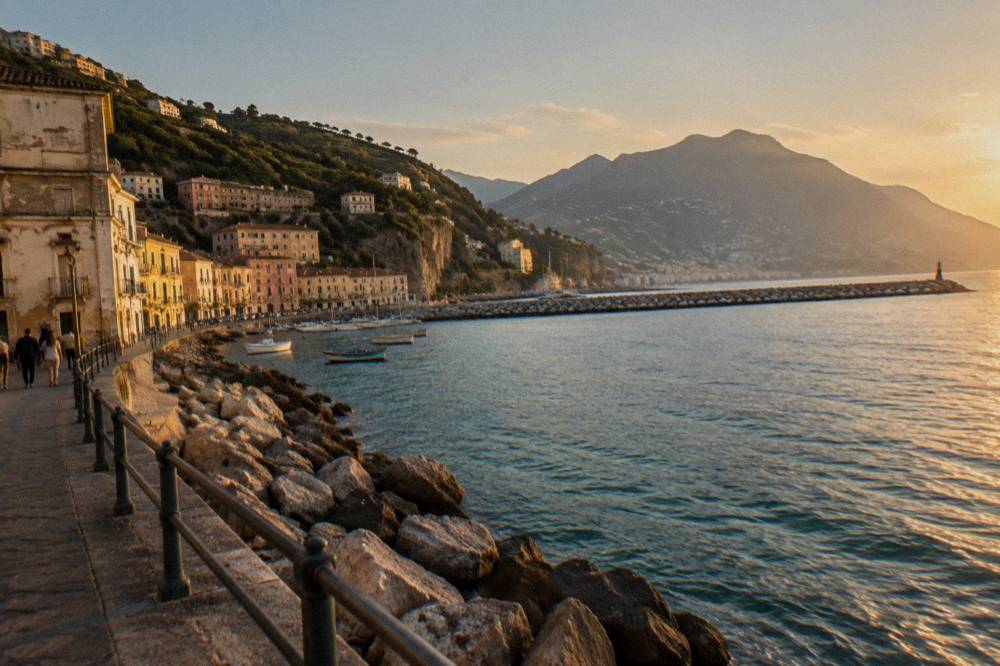
A full day in Castellammare pairs the villas with the town's thermal heritage, the seafront, the funicular to Monte Faito, and the food of the Sorrento peninsula, none of which needs a car, and the modern town is covered in its own guide for travellers considering an overnight stay. The town's mineral springs made it a spa destination long before archaeology arrived, and the seafront promenade, the historic centre and the cable car up Monte Faito, which climbs the Lattari ridge behind the town, give the day a rhythm the ruins cannot. Food in the town follows the peninsula's pattern, and the planning guidance on where to eat around Pompeii extends to this stretch of coast. For travellers basing themselves overnight rather than day-tripping, the comparison of Naples and Sorrento as bases frames the choice, with Castellammare sitting between the two.
Visitors who want the ruins explained rather than simply walked tend to do better with a guide attached. A private tour led by an archaeologist, based in Pompeii itself, is the format that fits this coast well: Check availability on the operator's live listing, and the same page carries the current price and departure detail. Group formats from Naples that fold the whole bay into one day, including Pompeii, Vesuvius and lunch, are listed in the tours overview.
What Should You Not Confuse Stabiae With Around The Bay?
Stabiae at Castellammare di Stabiae is a separate park site from Pompeii, from Herculaneum at Ercolano, and from Oplontis at Torre Annunziata, and each has its own ticket logic, hours and character, with Herculaneum run by a separate authority and charging EUR 16 full price in 2026. Oplontis, the Villa Poppaea, is the closest comparison to the Stabiae villas: another luxury residence, reached from the Torre Annunziata area, and covered on the Villa Poppaea at Oplontis page. Herculaneum is a small buried town, richer in carbonised wood and domestic detail, described on the Herculaneum attraction page, with the modern town covered at Ercolano. Pompeii is the headliner, and the modern town beside it, with its Sanctuary and its stations, is covered at modern Pompei. Getting the geography straight pays off in ticket terms too, as the 2027 single ticket rewards travellers who string several sites across successive days.
| Park site | Nearest modern town | Character | 2026 entry |
|---|---|---|---|
| Pompeii ancient city | Pompei | Full buried city | EUR 20 Express, EUR 25 Plus, EUR 30 3-day |
| Stabiae villas and museum | Castellammare di Stabiae | Elite maritime villas | EUR 8 per site |
| Oplontis | Torre Annunziata | Luxury villa of Poppaea | EUR 8 |
| Boscoreale villa | Boscoreale | Rural villa and antiquarium | EUR 8 |
| Herculaneum | Ercolano | Buried town, separate authority | EUR 16 full, EUR 2 reduced 18-25 |
How Do You Plan A Stabiae Visit Around The Park's Rules And Closures?
Plan around three fixed points: the Tuesday closure of the Stabiae sites, the nominative-ticket rule with ID checks at every entry, and the bag-size limit of 30x30x15 cm enforced across the park, with tickets non-transferable and non-refundable except in extraordinary closure. The regulations page states that larger bags go to left luggage, that drones need authorisation and that bare chests are not permitted, rules that apply at the villas as at Pompeii. If a visit runs across the first Sunday of the month, entry is free everywhere in the park, but the park has recorded a single free Sunday with more than 36,000 visitors at Pompeii, and the villas' small footprint means that day is better spent at the main city. Winter visitors should note that from 15 October to 15 March the whole park runs on the short schedule, last entrance 15:30 and close at 17:00, and that Pompeii closes only on 25 December and 1 January unless otherwise communicated, while the Stabiae sites add their Tuesdays.
Accessibility at Stabiae is more limited than at Pompeii, where the "Pompeii for All" route enters at Piazza Anfiteatro and exits via the Antiquarium lift; the terraced villas at Stabiae have no equivalent route described on the park's pages, so visitors with mobility difficulties should check directly with the park before travelling. The park accessibility overview carries the Pompeii detail.
Common Questions About Castellammare Di Stabiae
How much do the Stabiae sites cost in 2026?
Each Stabiae site, the Villa Arianna, the Villa San Marco and the Stabiae museum, costs EUR 8 individually in 2026, or is included in the EUR 30 3-day Pompeii ticket. From 1 January 2027 the single EUR 25 park ticket covers all park sites, valid 30 days with one entry per site, while the museum keeps an individual EUR 8 price.
Are the Stabiae villas open every day?
No. The Stabiae villas and the museum are closed on Tuesdays, and the whole park runs on winter hours from 15 October to 15 March, last entrance 15:30 and close at 17:00, against last entrance 17:30 and close at 19:00 in the summer season.
Can you visit Castellammare di Stabiae by train?
Yes, the Circumvesuviana Sorrento line serves the Castellammare area of the coast from Naples via Pompeii. Consult the operator EAV's current timetable before travelling, since a revised Vesuvian-lines timetable was announced on 16 September 2026, and the Campania Express service has been suspended since 1 October 2026.
Is Stabiae the same as Pompeii?
No. Stabiae at Castellammare di Stabiae is a separate archaeological site, a set of elite Roman maritime villas rather than a city, run by the same park authority as Pompeii and covered by the same ticket structure. Pompeii is the buried city beside the modern town of Pompei.
What is the best month to visit the Stabiae villas?
April, May, June and September offer the most comfortable conditions, with mean daily maxima of about 17.7 to 25.3 degrees and 30 to 90 mm of monthly rain at the nearby Pompei grid point. July and August are the hottest and driest months, around 28.7 and 29.4 degrees, so visit in the morning then.
Is entry free on the first Sunday of the month at Stabiae?
Yes. The Domenica al Museo scheme makes entry free at the park's sites on the first Sunday of every month, with no seasonal limitation stated on the park's page. Free days draw large crowds to Pompeii, which has recorded more than 36,000 visitors on one such Sunday, so the smaller villas can feel tight.
A last planning thought: Stabiae rewards the traveller who has already seen Pompeii and wants the bay's slower half. The villas are open-air and unhurried, the town is a genuine Italian provincial centre rather than a tourist machine, and from 1 January 2027 the single EUR 25 ticket makes adding them to a Pompeii trip simpler than it has ever been under the tiered system.